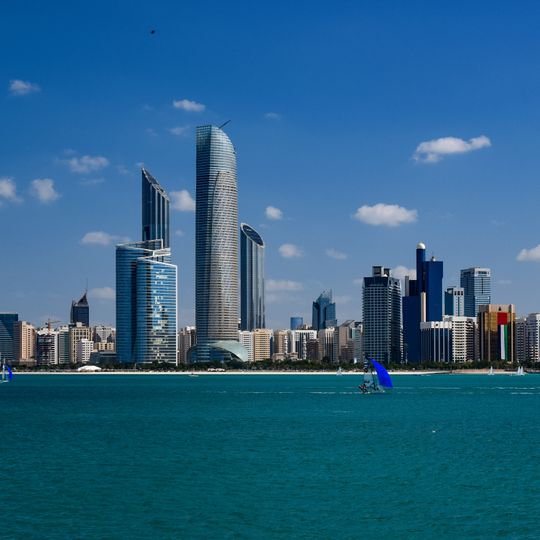
Abu Dhabi, Capital city and administrative center in United Arab Emirates
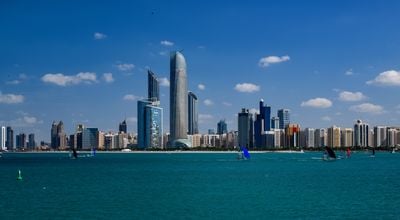
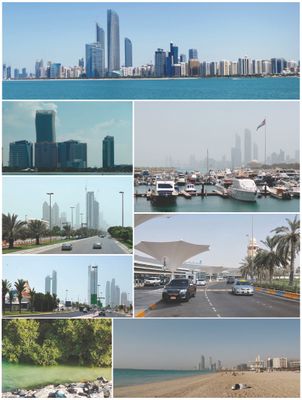
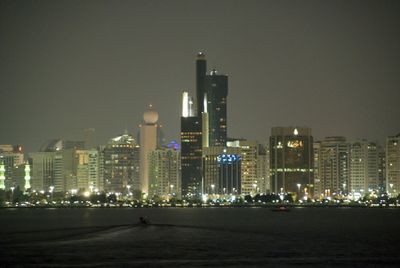
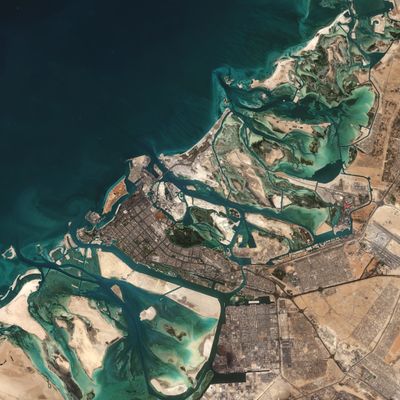
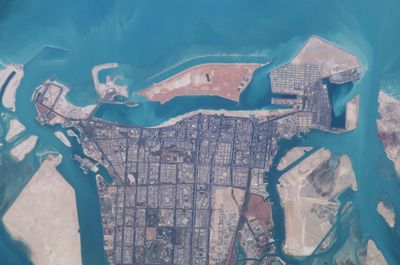
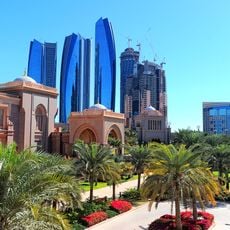
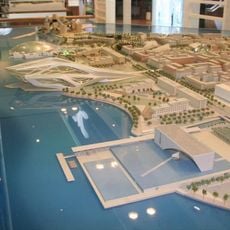
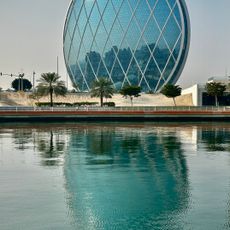
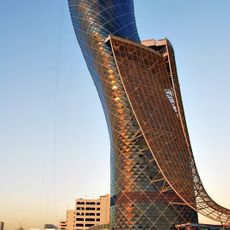
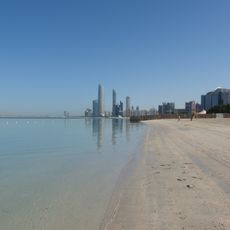
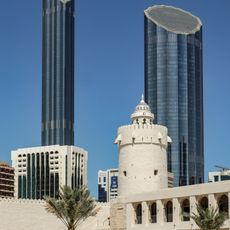
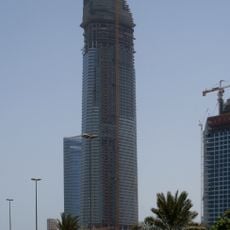
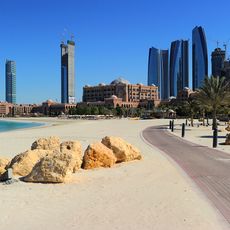
Abu Dhabi is the capital and largest city in the United Arab Emirates, occupying both a T-shaped island and sections of the mainland linked by causeways over the waters of the Persian Gulf. Older quarters with narrow streets and low buildings sit near the original port, while newer zones feature wide avenues lined with office towers, shopping districts, and landscaped parks stretching along the shoreline.
A small fishing settlement of around 300 huts made from palm fronds occupied this site in the early 20th century, before oil discoveries in the 1950s triggered rapid change. The town became the federal capital of the newly formed United Arab Emirates in 1971, growing quickly from a modest port into a major administrative and commercial center.
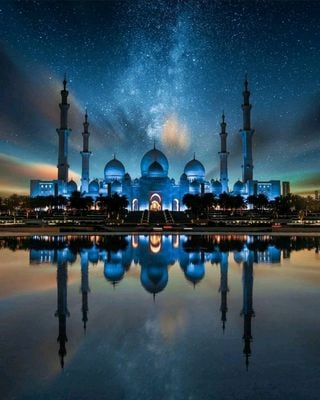
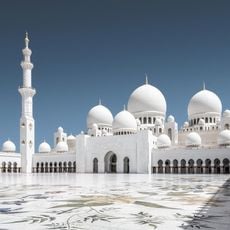
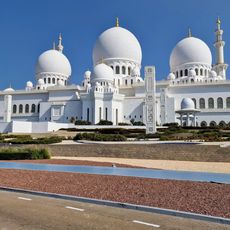
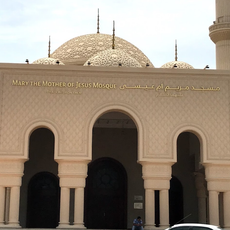
Traditional coffee houses in older neighborhoods still welcome guests who come to share tea and conversation in low-lit rooms lined with carpets. Friday prayers bring communities together at mosques across the city, followed by family meals and afternoon gatherings in public parks along the waterfront.
Public buses link residential areas to business districts and main attractions, while water taxis and regular cabs offer additional connections across the city. The hottest months run from June through September, so many visitors prefer the cooler period between November and March when outdoor walking is more comfortable.
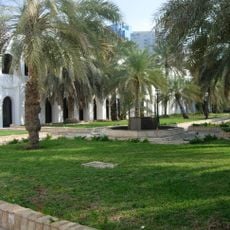
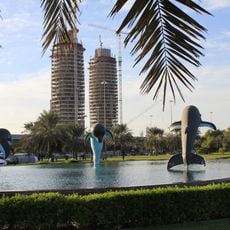
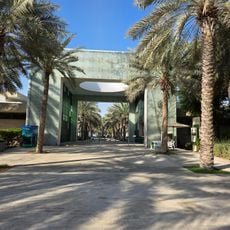
The road network includes several avenues lined with thousands of date palms irrigated daily using seawater desalinated at nearby plants. Beneath these palms, misting systems create cooler pockets on hot days, making pedestrian walks more comfortable in certain districts.
The community of curious travelers
AroundUs brings together thousands of curated places, local tips, and hidden gems, enriched daily by 91,373 contributors worldwide.