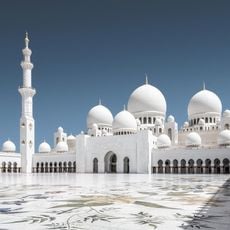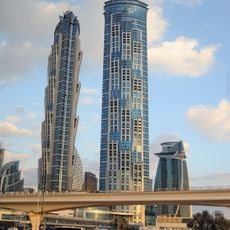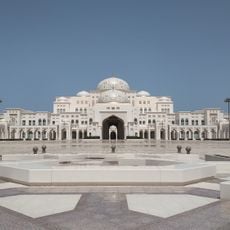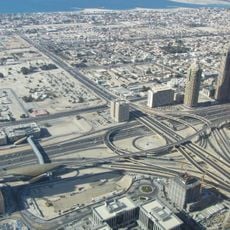
Emirate of Abu Dhabi, Administrative division in United Arab Emirates
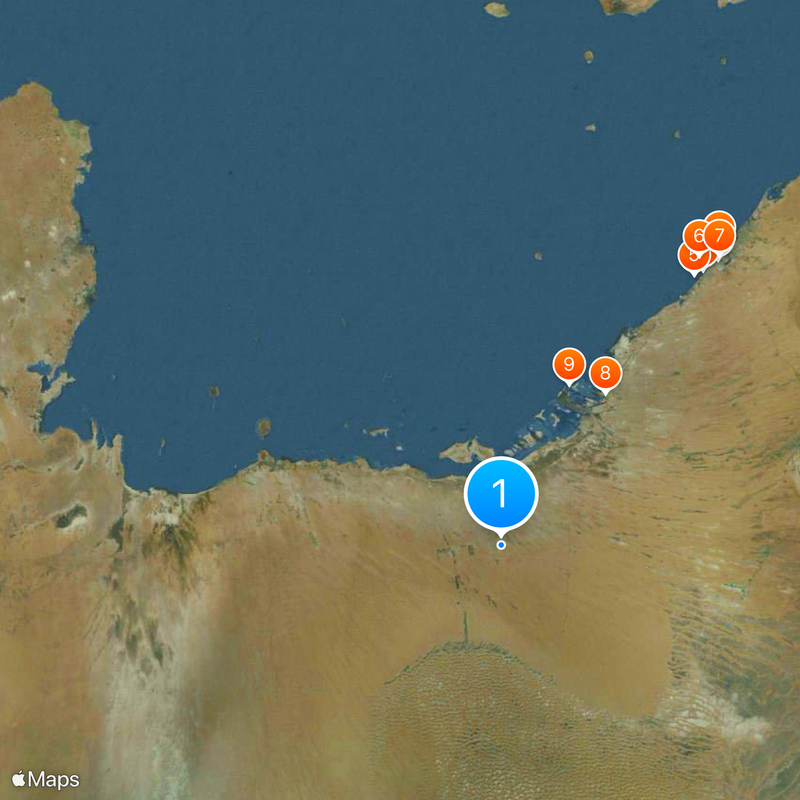
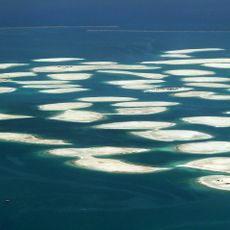
The Emirate of Abu Dhabi is an administrative territory within the United Arab Emirates that covers most of the country's land and stretches from the Persian Gulf coast deep into the desert interior. The region comprises three urban zones including the capital city of the same name, along with wide sand plains, oases, and over 200 islands along the shoreline.
Small fishing settlements along the coast existed for centuries until oil discoveries in the 1960s began the economic transformation. Sheikh Zayed took leadership in 1966 and united the region with six other emirates in 1971 to form the federation of the United Arab Emirates.
The name comes from a gazelle population near a freshwater spring that attracted early settlers and gave the region its Arabic name. Visitors today experience this connection to wildlife in protected areas where native species such as oryx and desert falcons live in their natural habitat.
The capital and larger towns sit along the coast while the interior consists mainly of uninhabited desert accessible by off-road vehicles. Summer months bring extreme heat, so the cooler period between October and April suits outdoor exploration better.
The western coastal area of Al-Gharbia holds the oldest archaeological finds in the region, including Neolithic settlement remains on offshore islands. These sites show that people lived in this area over 7000 years ago and relied on fishing and pearl trading.
The community of curious travelers
AroundUs brings together thousands of curated places, local tips, and hidden gems, enriched daily by 91,777 contributors worldwide.