Collections
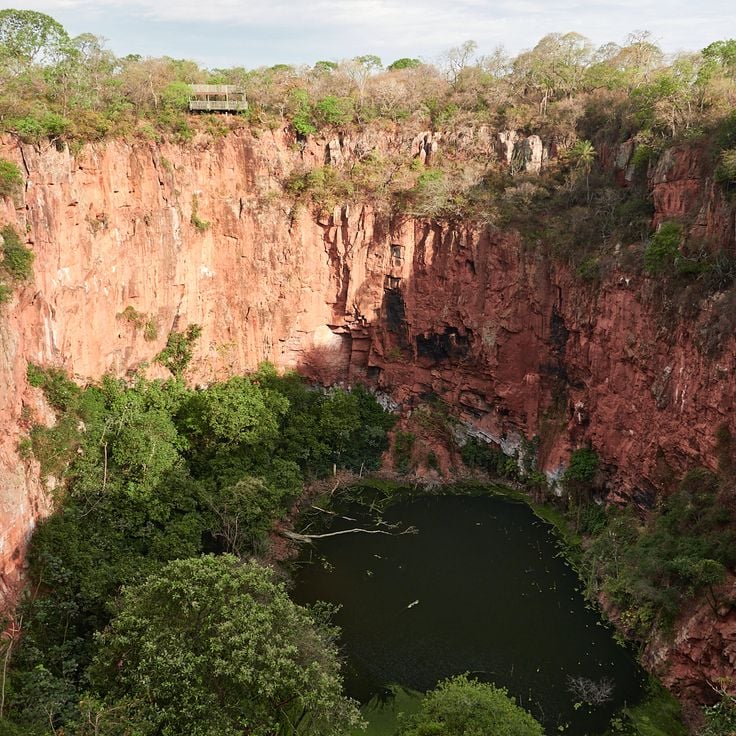
Natural spots and local places in Brazil
Brazil has natural areas and local sites away from major cities. The landscape ranges from waterfalls and caves to coastal regions and mountains. National parks hold sand formations, lagoons, and coral reefs. Cultural places include traditional villages and historical sites. Visitors can explore...
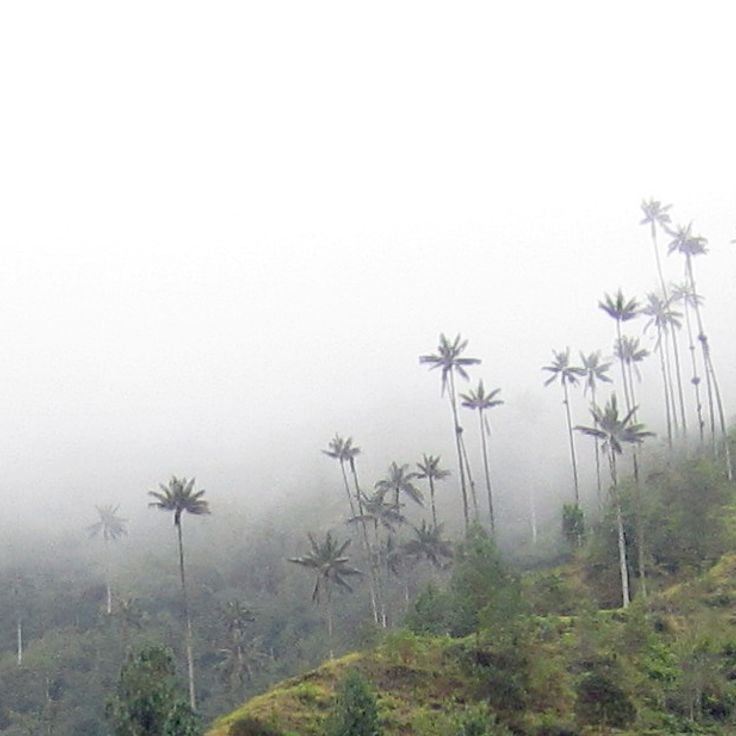
Colombia in a different way: mountain paths, colonial buildings, and striking scenery
Colombia presents geographic diversity that spans Caribbean coastlines, Andean highlands, Pacific forests, and eastern plains. The country encompasses colonial architecture in towns like Barichara and Mompox, where centuries-old stone buildings and churches reflect Spanish heritage. Natural...
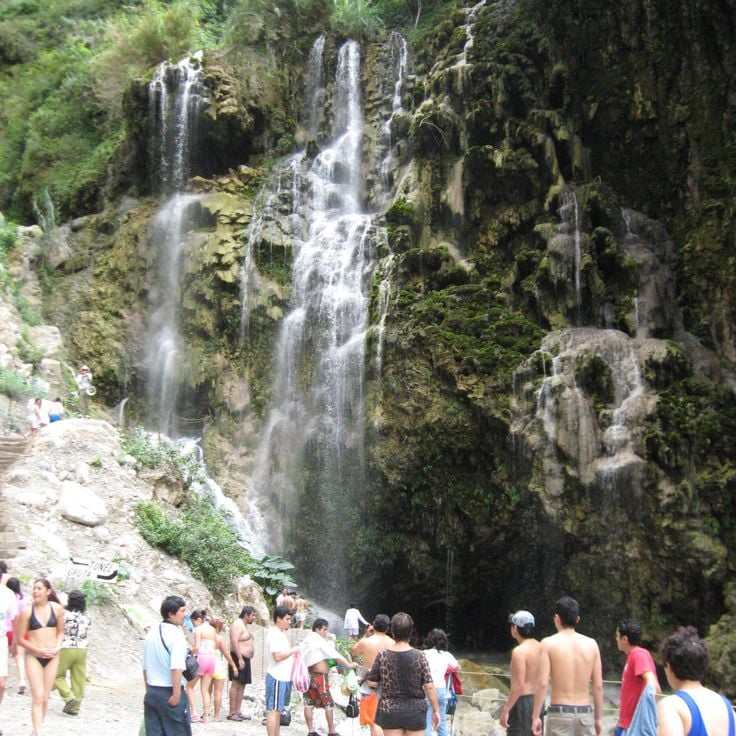
Discover Mexico: sculpture gardens, caves, islands and Mayan ruins
Mexico offers much more than the usual travel spots. This collection includes sculpture gardens, caves, islands, colonial towns, volcanoes, Mayan sites, oases, lakes, and protected areas across the country. You will find mineral pools in Oaxaca, desert landscapes in Sonora, underground caves,...
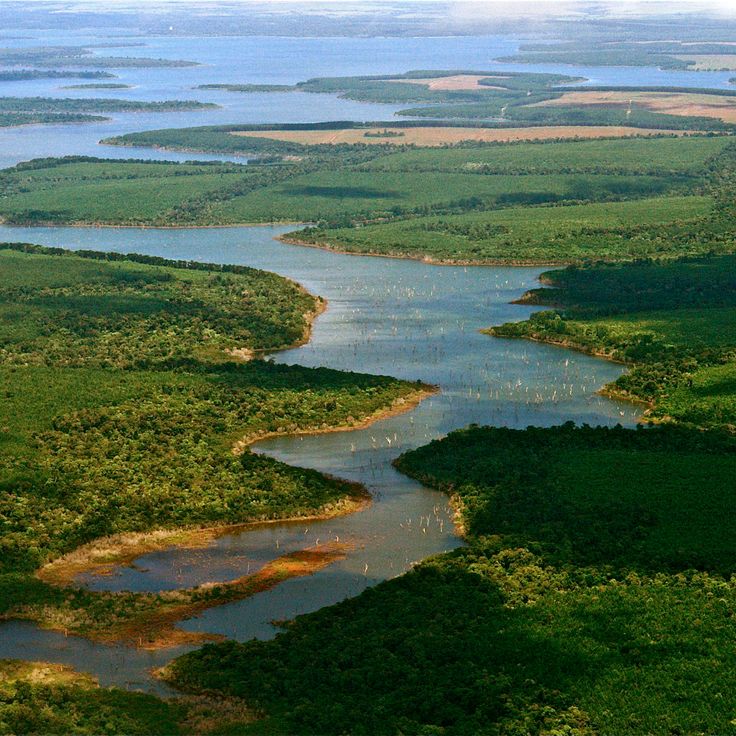
Argentina off the beaten path: the places that are really worth the trip
The Argentine landscape offers far more than its well-known urban centers. In the northwest, geological formations like Quebrada de las Conchas with its red sandstone cliffs and Talampaya National Park with its eroded canyons draw visitors. Quebrada de Humahuaca displays layers from millions of...
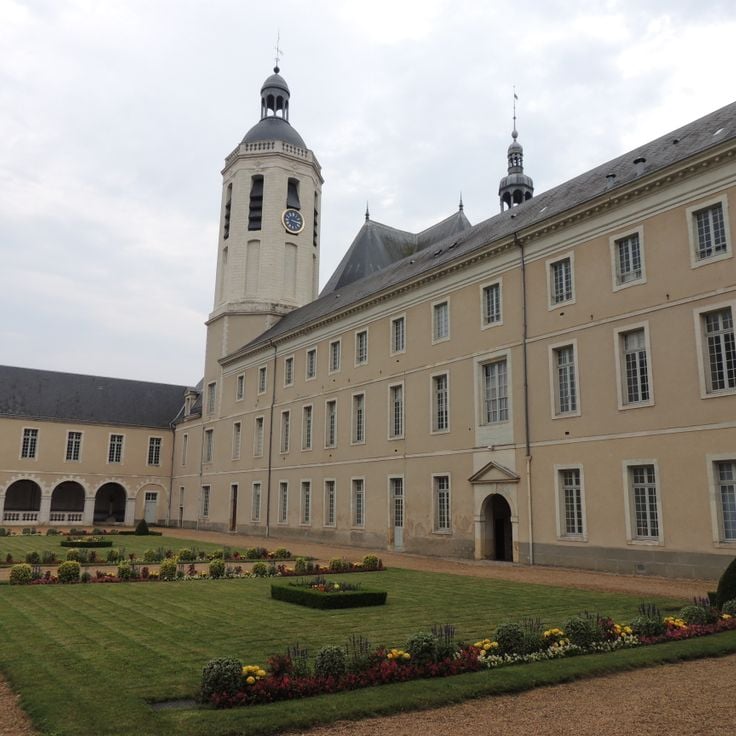
Unusual Pays de la Loire: lesser-known castles, botanical gardens, and historic sites
The Pays de la Loire region is full of lesser-known sites revealing the history and diversity of this western France region. Beyond the typical tourist routes, these sites provide an authentic insight into local heritage, craft traditions, and preserved natural landscapes. Among these destinations...
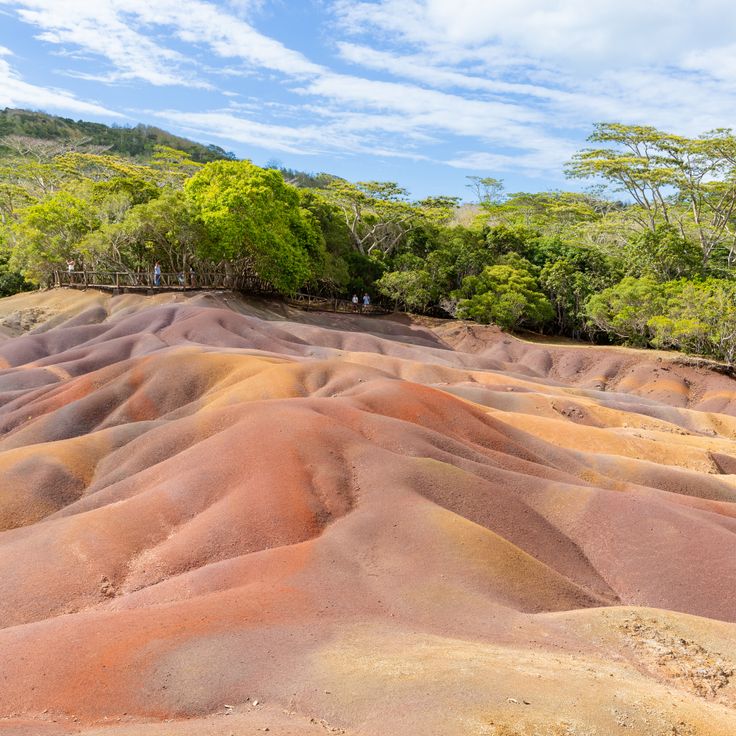
Natural places and local culture in Mauritius
Mauritius offers natural places away from tourist centers. The island shows its geological diversity through beaches, waterfalls, and hiking paths. Black River Gorges National Park is home to rare animal and plant species. You can swim in clear water at beaches like La Cuvette and Pointe d'Esny. The...
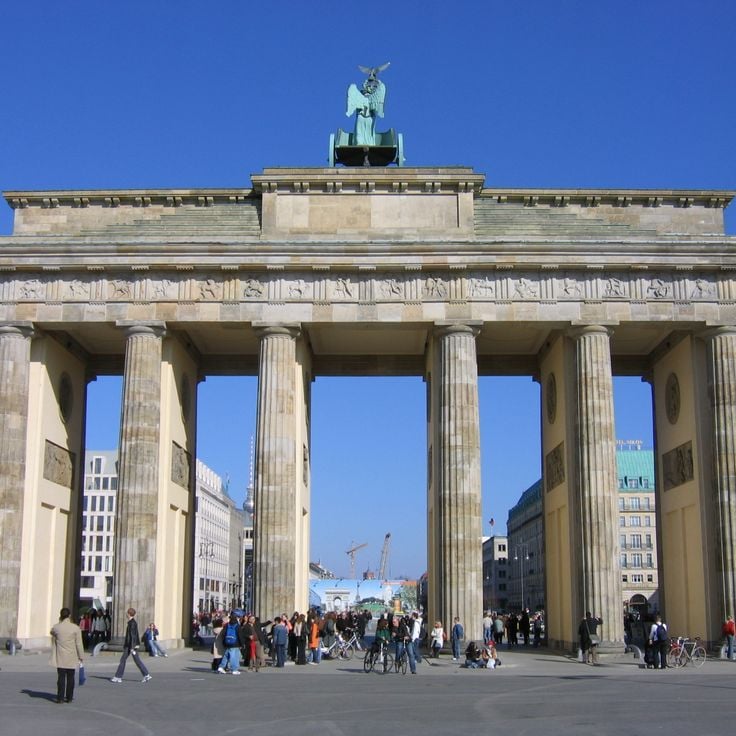
Locations of Netflix series filming: real sets, filming locations, and sites
This guide lists real locations where multiple Netflix productions have been filmed around the world. From New York prisons turned into filming sets to medieval fortresses in Spain, and historic palaces in Eastern Europe, these natural settings have allowed creative teams to bring their stories to...
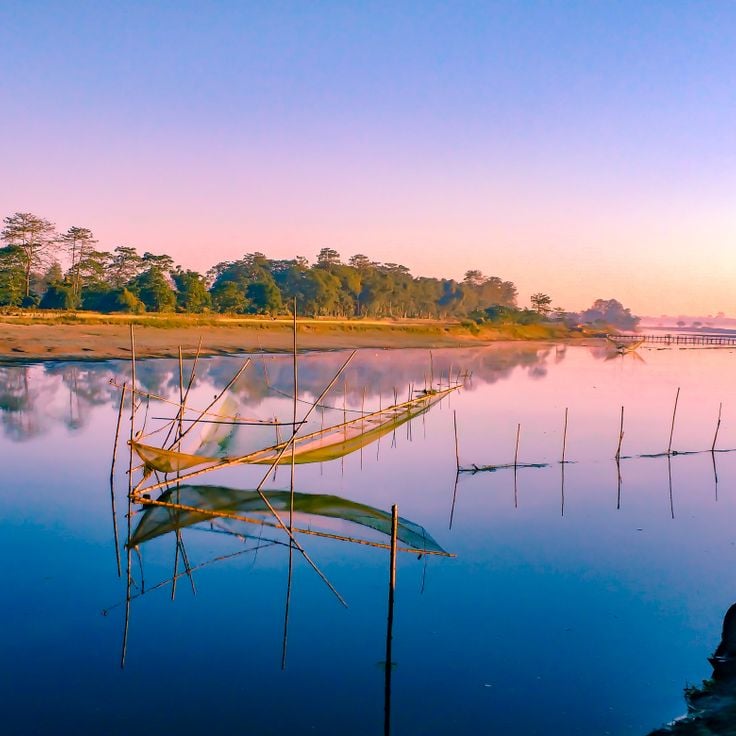
The hidden faces of India: where history and nature meet
India offers a variety of places where history, nature, and local cultures connect. This list includes well-known sites and less visited spots, showing the country in its diversity. From the beaches of Gokarna in Karnataka to the mountains of the Himalayas, there are many experiences to enjoy. ...
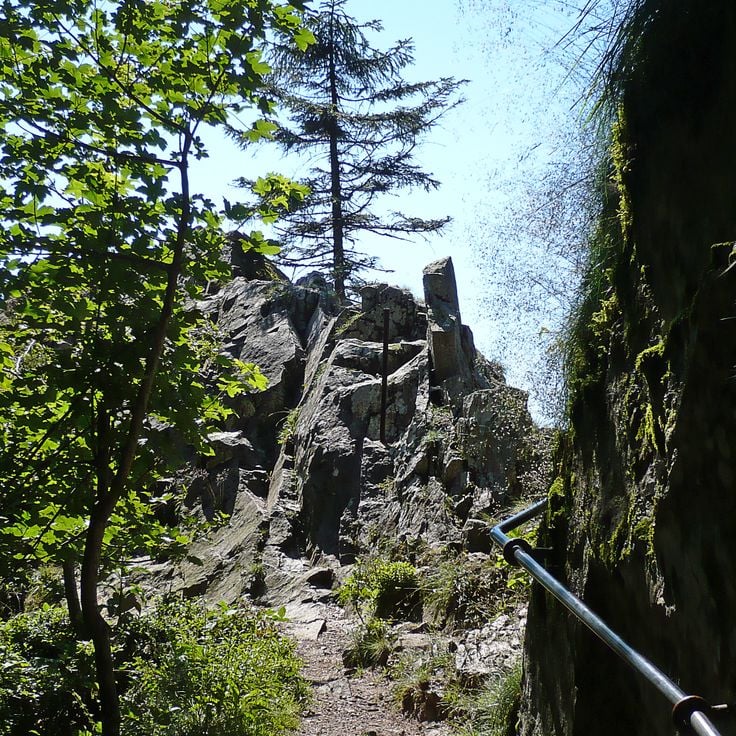
Alsace: the most beautiful gardens and historic places, village by village
Alsace has preserved its historical structures through the centuries. The region extends from Rhine valley vineyards to forested Vosges heights and displays its past through castles, abbeys and museums. Château du Haut-Kœnigsbourg stands above the Rhine plain, while Fort de Mutzig demonstrates early...
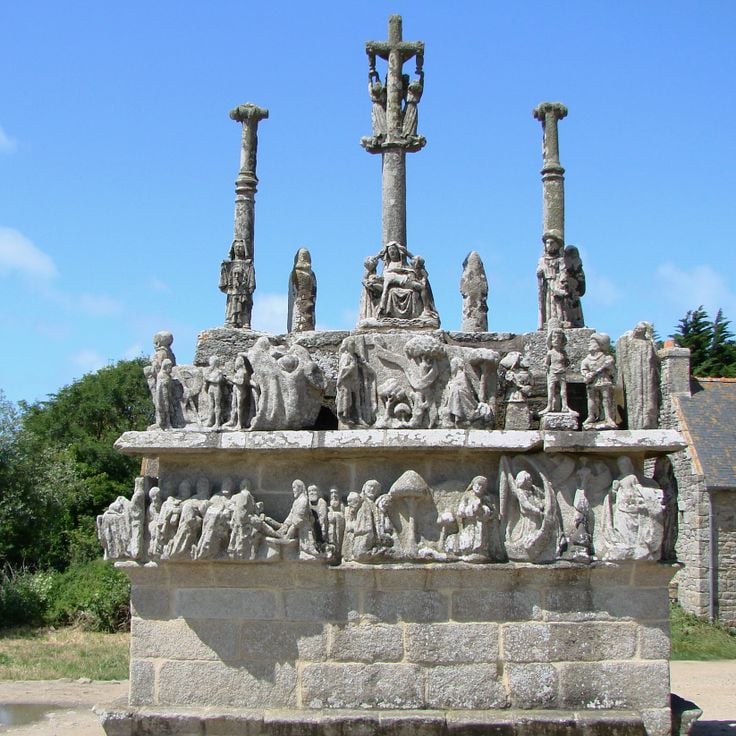
Historical sites and landscapes in Brittany
Brittany combines medieval architecture with natural landscapes that shape the region's character. Granite cliffs, forests, lighthouses, and fishing villages dot the coastline. Visitors discover Celtic megaliths, castles, abbeys, and museums filled with maritime history. The shoreline displays...
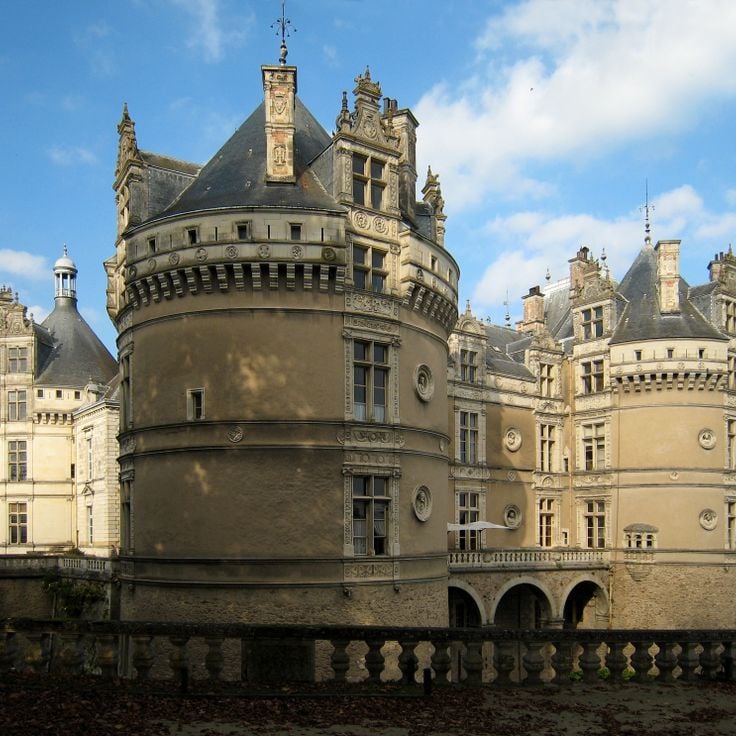
Châteaux of the Loire: Renaissance architecture, historic gardens, and royal residences
The Loire Valley has castles built between the 15th and 17th centuries. They show the history of the French Renaissance and the classical period. These royal and noble homes tell stories of how people lived and built during those times. You can see carved staircases, water galleries, moats,...
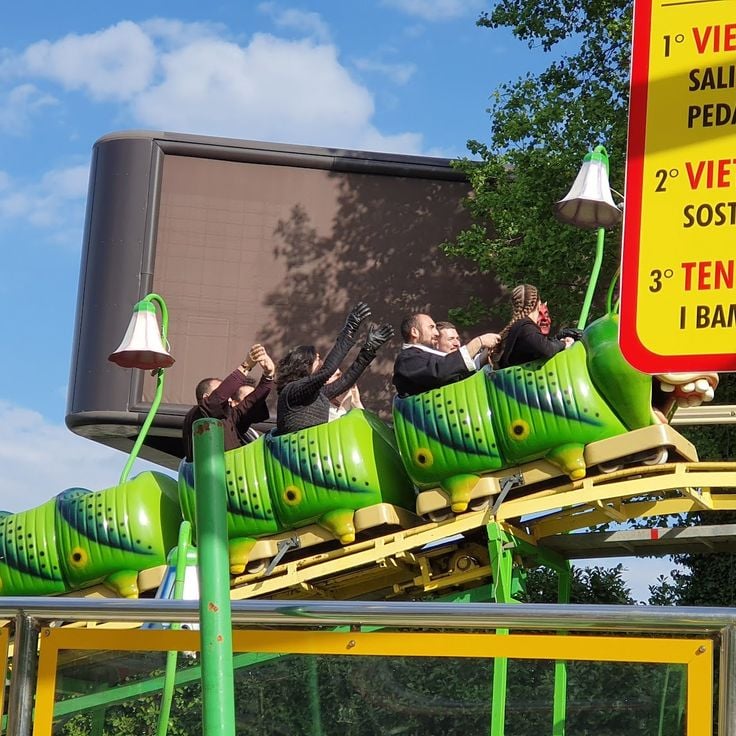
Global tour of aviation museums and heritage
Aerospace museums hold airplanes that have marked the history of flight, often displayed in large hangars or outside. You can see military aircraft used during world conflicts, commercial planes that carried the first passengers, as well as experimental prototypes and objects from the early days of...
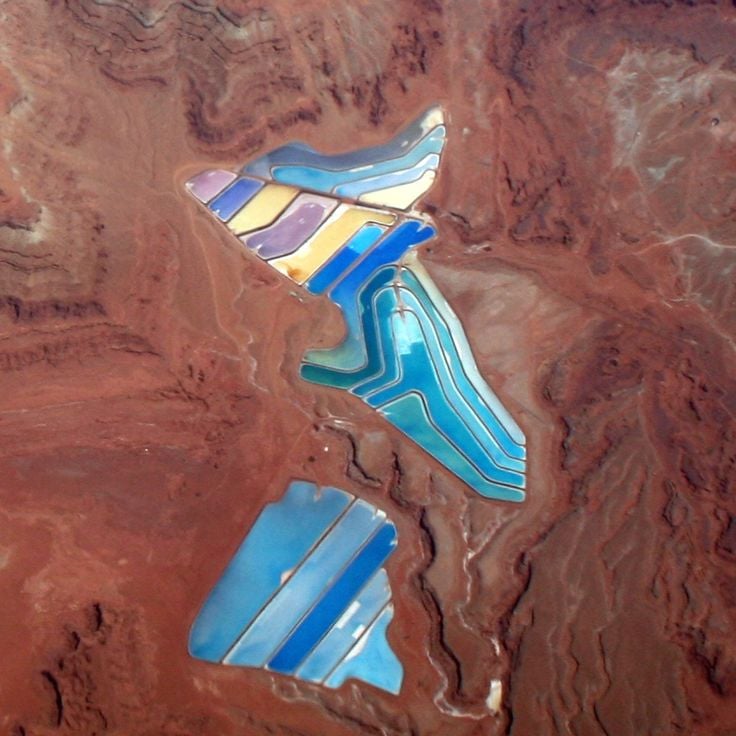
See the Earth differently: these places shown by satellite
Satellite imagery has transformed how we view remote locations on Earth, offering perspectives on places that are often invisible or difficult to reach from ground level. This collection presents natural formations, artificial structures and historical sites from an aerial vantage point. From...
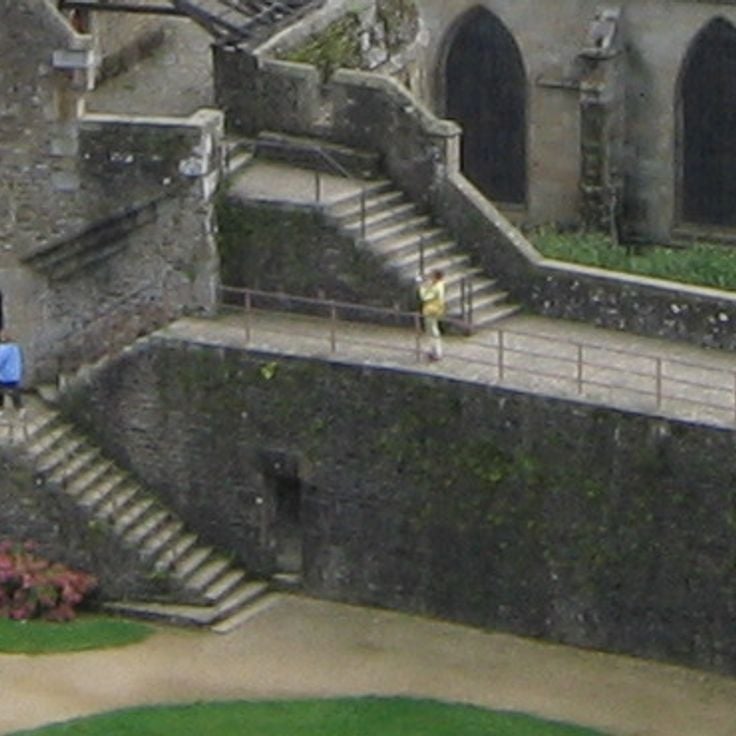
Villages and towns from medieval France: history, architecture, UNESCO sites
Across France, villages and towns from the medieval period keep their old buildings. Thick stone walls, castles, churches in Roman and Gothic style, and cobbled streets are at the center of these places. Each location tells stories of times when France was growing, from army defenses to busy trade...
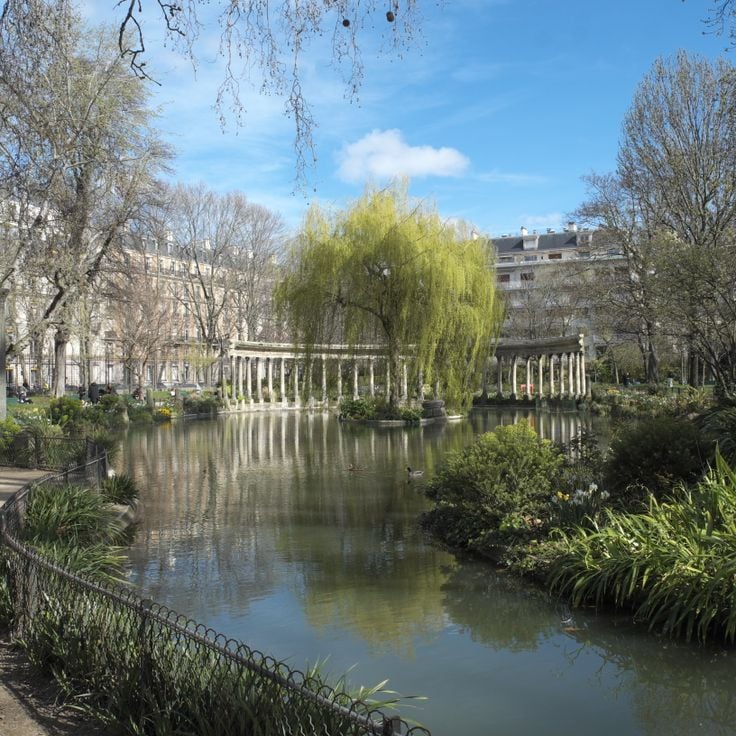
The history of Paris written in its walls
This route covers two millennia of Parisian construction history, showing the architectural layers of the city. It includes Roman remains such as the first-century Lutetia arenas, medieval structures, classical palaces, and modern constructions from the 19th and 20th centuries. Each location...
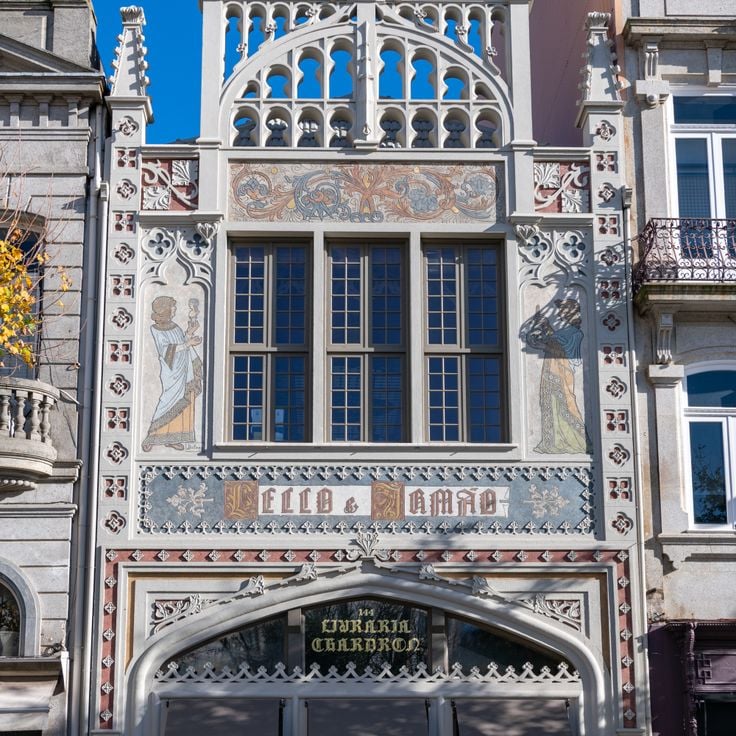
Places off the beaten track that are worth a visit
Some of these places are in quiet neighborhoods or on the outskirts, while others hide in busy areas. They show buildings from different times, religious sites from various traditions, art projects on old industrial sites, and markets that have grown in unusual settings. Some places let visitors see...
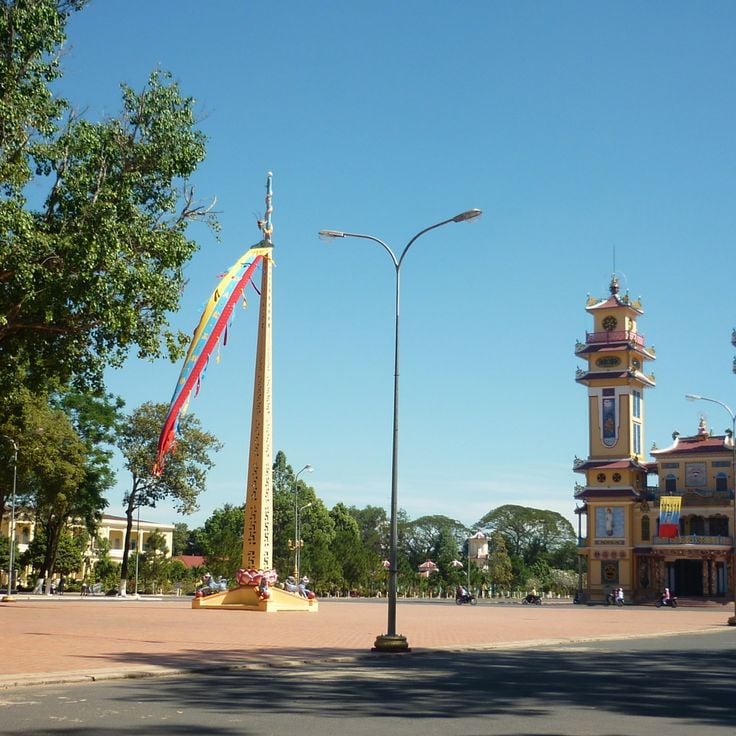
Vietnam destinations: temples, caves, islands
Vietnam extends more than 1,000 miles (1,600 kilometers) from mountain regions in the north to the Mekong Delta in the south, offering travelers a wide range of natural and historical sites beyond urban centers. The country includes Buddhist temples like Bai Dinh and Thien Mu Pagoda, cave systems...
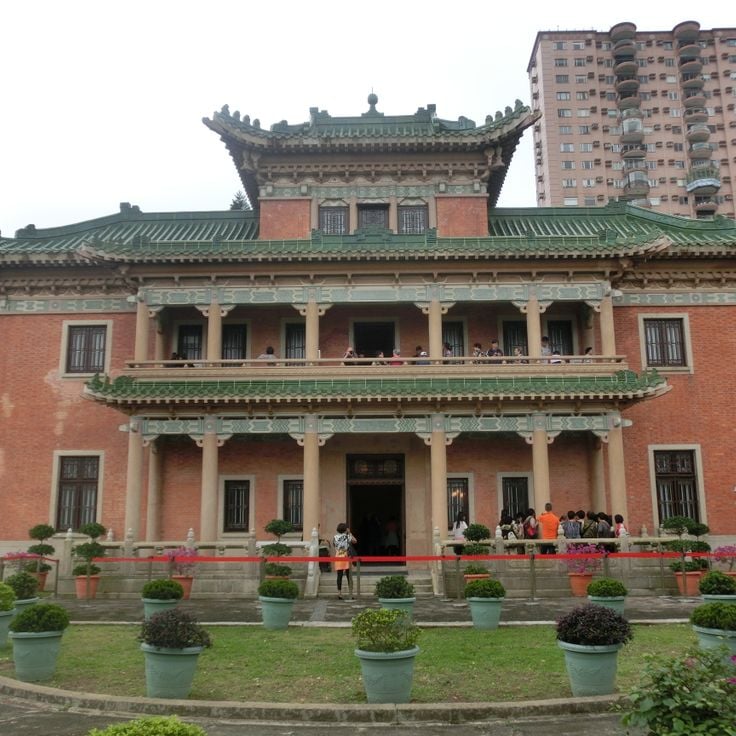
Hong Kong in a different way: secret places between old temples and wild paths
Hong Kong hides many unknown places beyond its skyscrapers and shopping centers. The city has 19th-century Buddhist temples like the Kwun Yum Temple in Hung Hom. It has traditional Chinese gardens such as the Nan Lian Garden in Diamond Hill, which covers 35,000 square meters. Historic houses like...
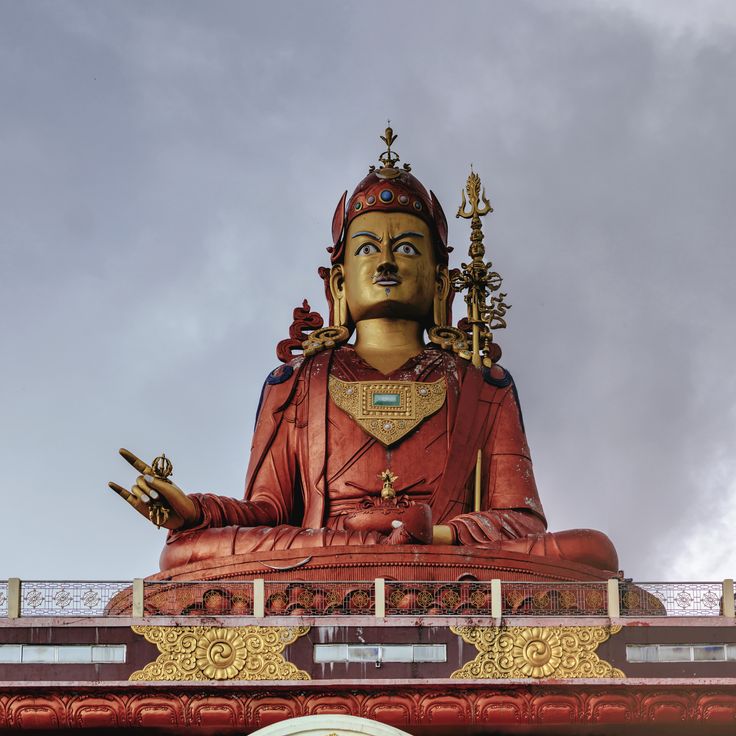
Religious statues and monuments: Buddha, Christ, Hindu deities
Monumental religious statues stand at dozens of sites worldwide, demonstrating the scale of spiritual devotion across different faiths. From the 98-foot (30-meter) Christ the Redeemer in Rio de Janeiro to the 420-foot (128-meter) Spring Temple Buddha in Henan Province, China, these structures in...

Italy: historical sites, archaeological excavations, medieval villages
Italy preserves numerous historical sites away from standard tourist routes, ranging from medieval hill towns to Etruscan burial grounds. These locations document different periods of Italian history through architecture, art and natural settings. The collection includes Roman archaeological sites...