Collections
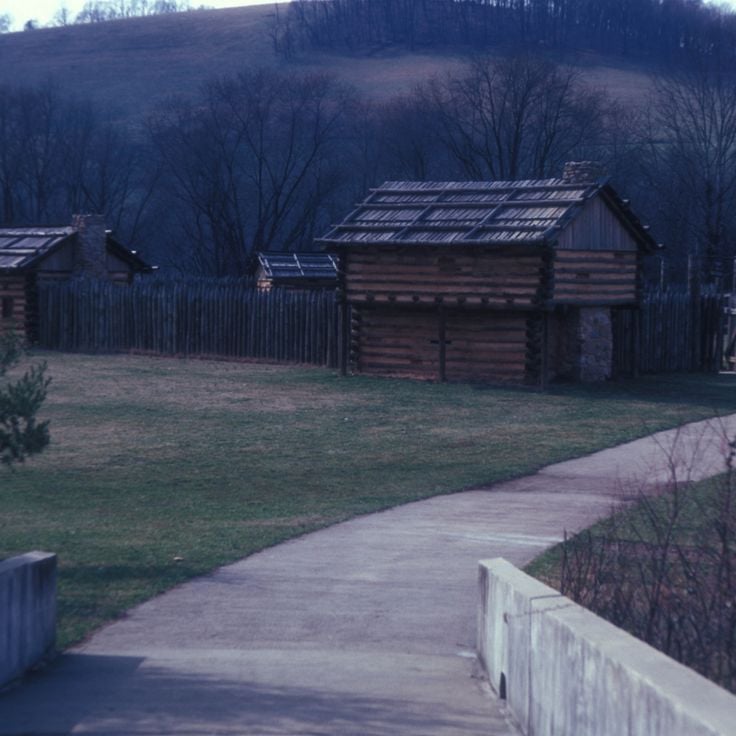
Natural and historic places in Tennessee
Tennessee offers a notable mix of geological formations and historical sites that document different periods of American history. The state extends from the Appalachian Mountains in the east to the Mississippi River in the west, encompassing extensive cave systems, waterfalls, and forested areas....
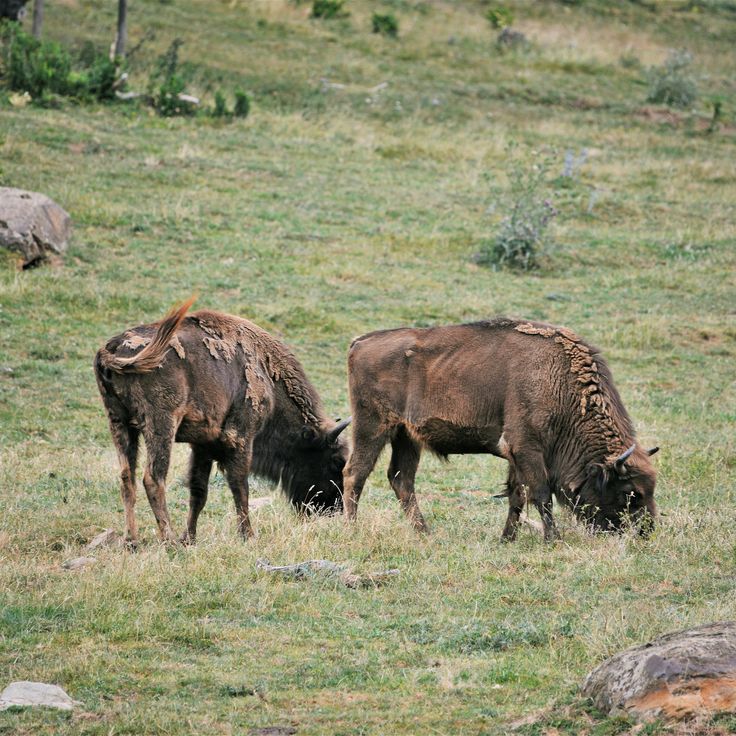
Historic sites and natural areas in Aragon
Aragon stretches across three provinces in northeastern Spain, preserving more than two thousand years of history through its monasteries, castles and medieval villages. The region displays Moorish towers in Teruel, Romanesque churches in the Pyrenees and Gothic bridges along ancient trade routes....
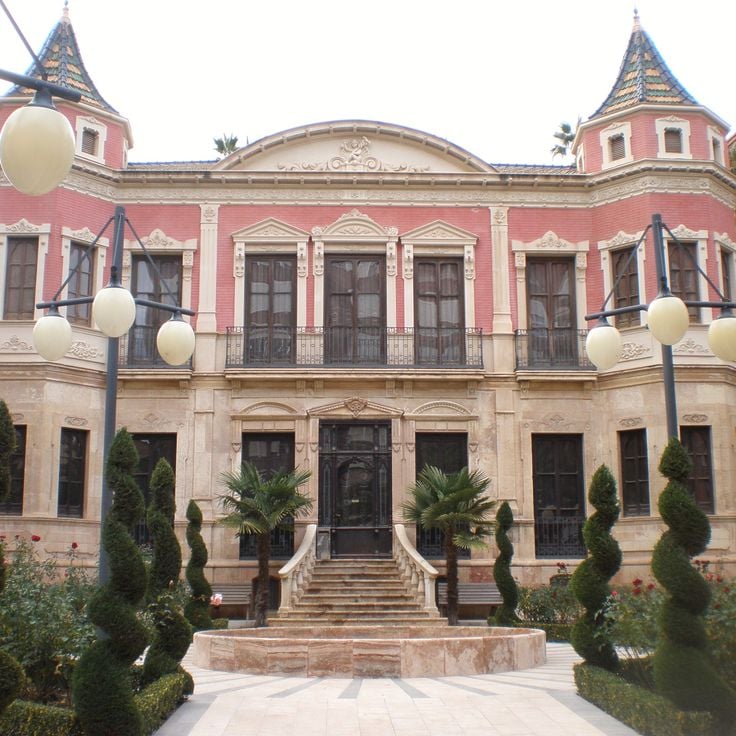
Natural and historical sites in Murcia
The Murcia region combines natural landscapes with historical sites from different periods. The Salto del Usero natural pool in Bullas, the beaches of Calblanque Natural Area, and the Almadenes gorge near Cieza demonstrate the geological variety of the region. The coast offers sheltered coves like...
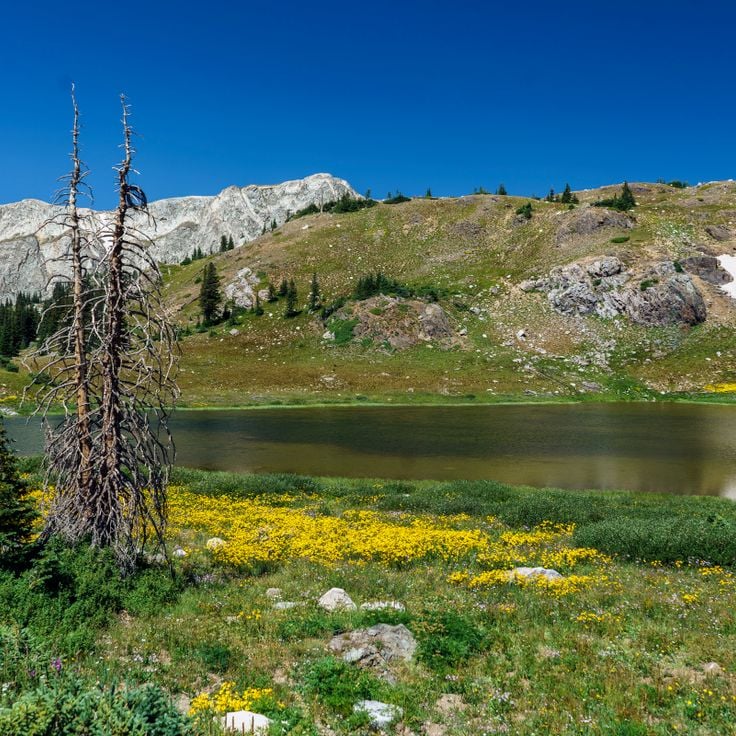
Natural wonders and historic sites in Wyoming
Wyoming preserves geological sites that include thermal springs, canyons, and rock formations. The state protects historic locations such as forts, rock art, and dinosaur tracks. Devils Tower rises 1,267 feet (386 meters) above the terrain and represents a significant geological formation. Fossil...
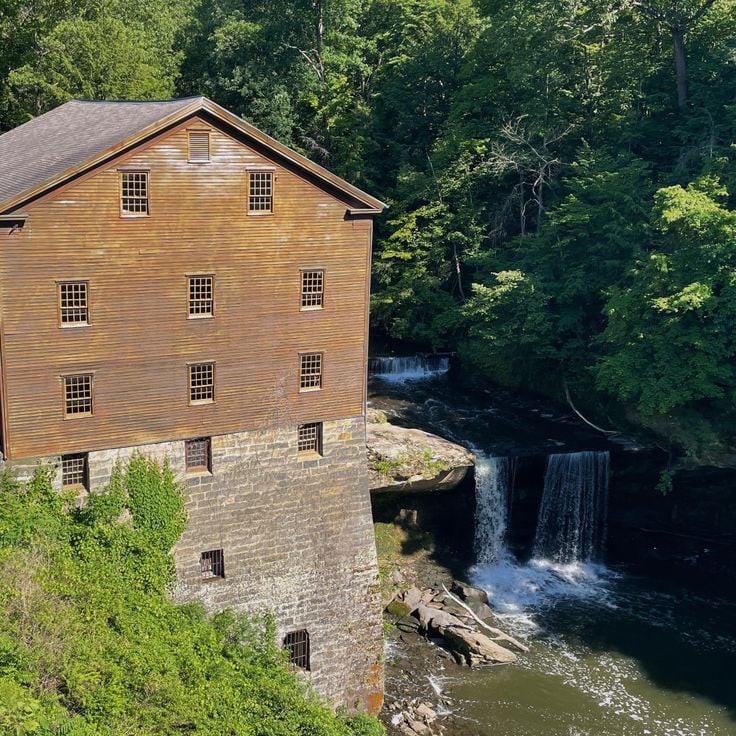
Hidden treasures of Ohio: natural Parks, historic sites, and reserves
Ohio reveals an unrecognized natural and cultural heritage worth exploring. Cuyahoga Valley National Park features the Brandywine Falls, plunging 20 meters, while Grand Serpent Mound reflects a fascinating prehistoric past with its 411-meter long earthwork dating back 900 years. Loveland Castle,...
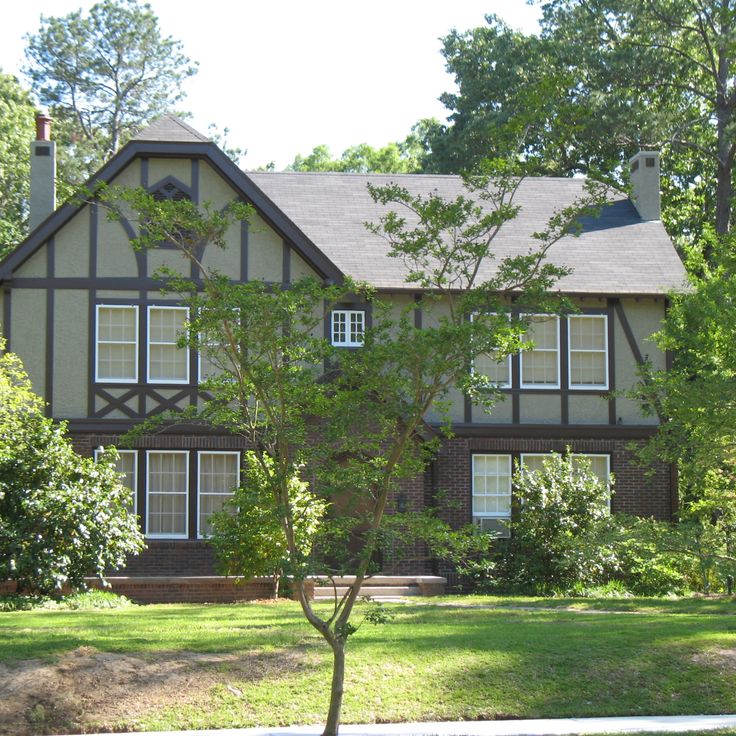
Unexpected Mississippi: these secret places worth visiting
Mississippi preserves sites that trace the state's history from indigenous settlements through the Civil War and the civil rights movement. The Windsor Ruins stand as remnants of an antebellum mansion, while the Old Capitol Museum documents legislative history. The Mississippi Civil Rights Museum in...
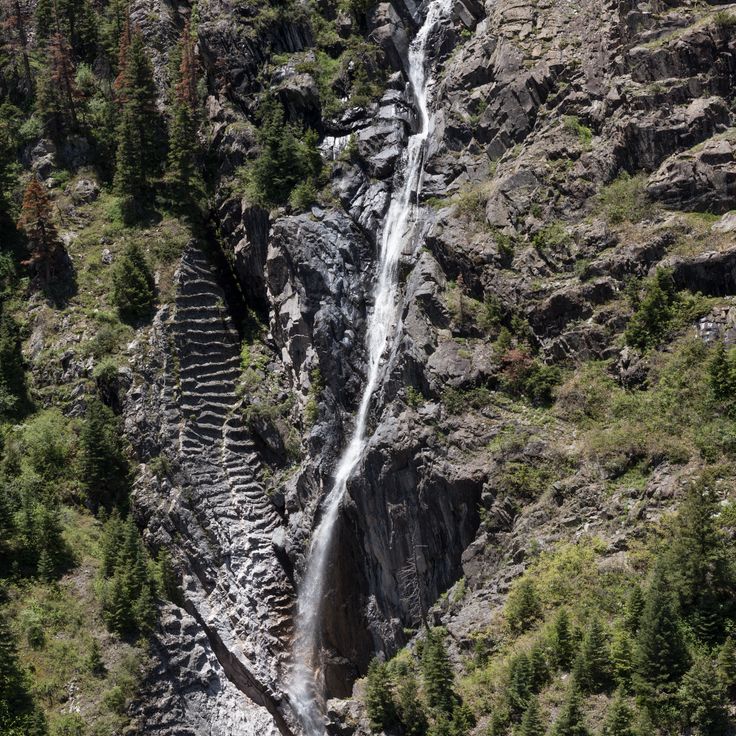
Colorado natural treasures and remote locations
Colorado contains natural areas and historical sites located away from main roads and common routes. These places tell the story of the state's geology and human history through varied landscapes. Visitors will find sand dunes, waterfalls, rock formations, and remains from the mining era. Locations...
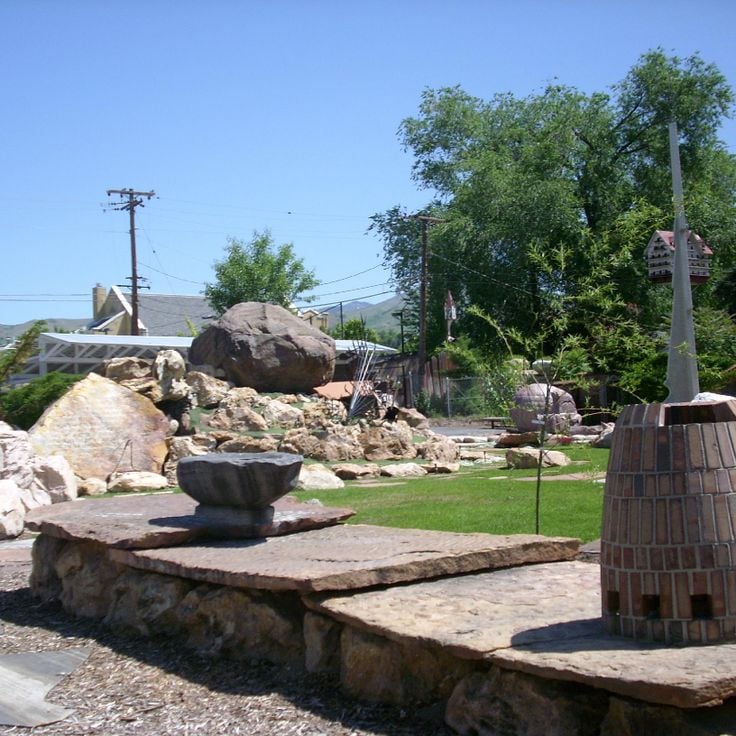
Natural monuments in Utah: archaeological sites, rock formations, thermal springs
Utah preserves thousands of years of human history alongside some of North America's most varied geological landscapes. The region contains extensive rock art panels and Ancestral Pueblo ruins, including the 13th-century stone structures at Bears Ears National Monument and the 650-plus petroglyphs...
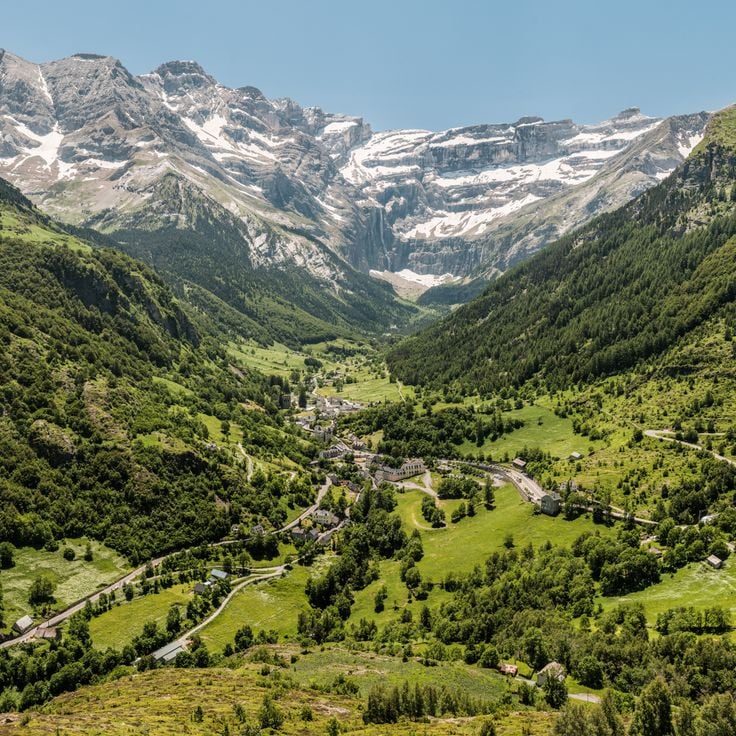
Motorcycling across France: From Alpine peaks to Mediterranean coasts
France offers motorcyclists a range of landscapes, from the mountains in the Alps to the coasts of the Mediterranean and the wine regions. The land suits all riding styles, with tough mountain roads, winding coastal routes, and rural paths. Popular routes include the Col de la Bonette, which...
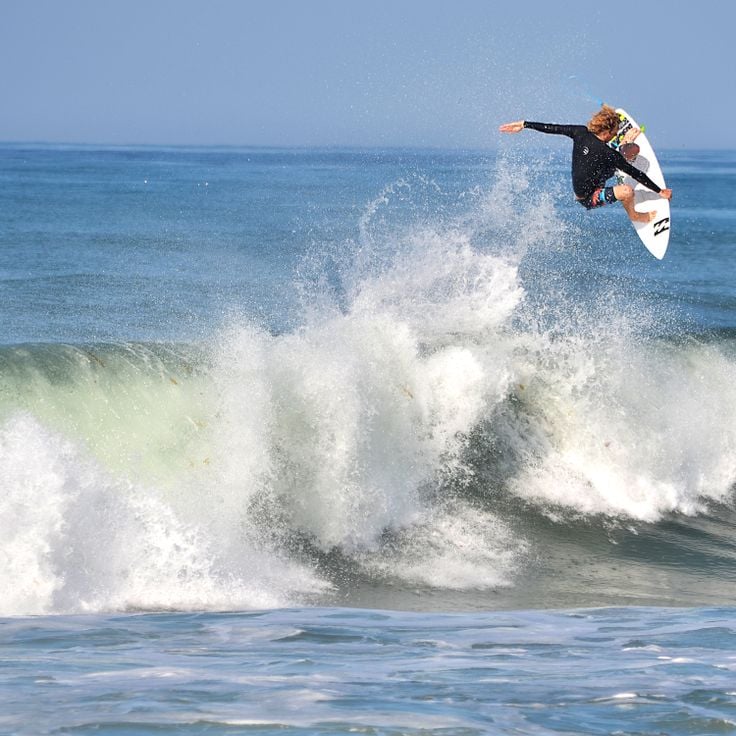
Alternative destinations in California
California offers more than its well-traveled routes. Across the state, locations exist that few visitors reach, even though they show landscapes and histories found nowhere else. This collection includes natural areas, abandoned structures, and stretches of coast that lie beyond the usual travel...
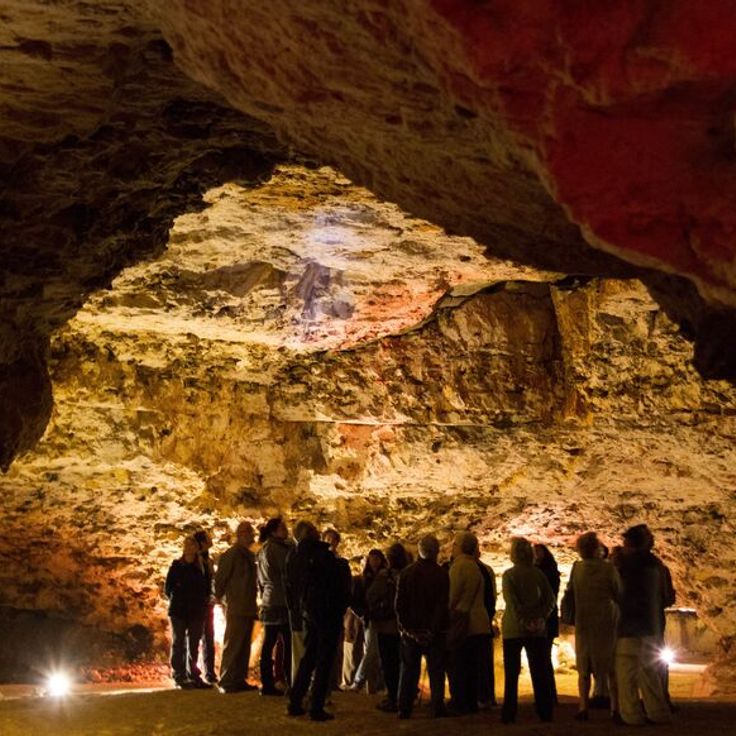
Hidden treasures in Centre-Val de Loire: medieval castles, petrifying caves, and historic mills
The Centre-Val de Loire showcases a diverse heritage, from medieval fortresses like Château de Lavardin to Renaissance structures. The region features protected natural sites such as the Chérine Nature Reserve and the Domaine du Ciran, which host hundreds of bird species in their ponds and...
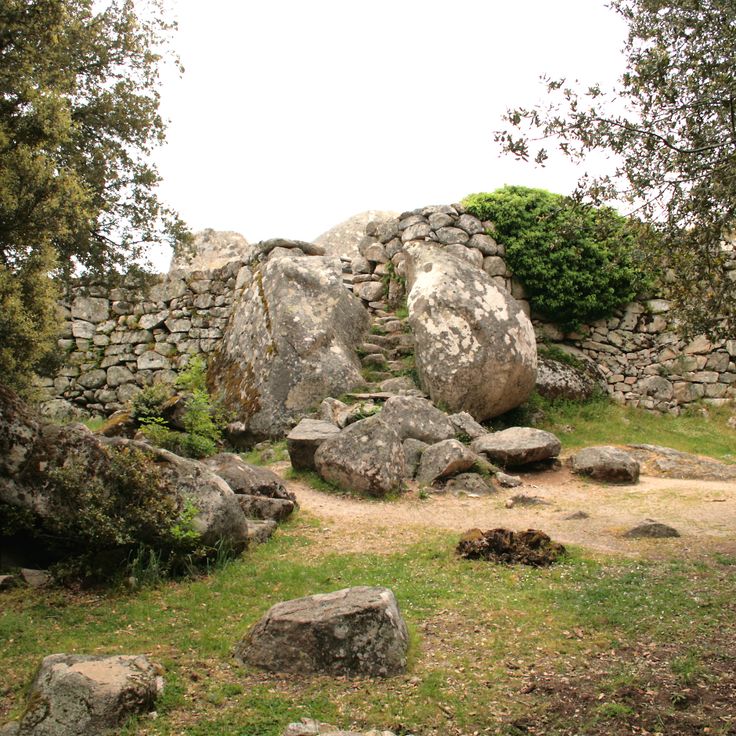
Remote locations in Corsica beyond coastal routes
This collection connects the mountainous interior of Corsica with remote coastal sections and historical traces of early settlement. Hiking trails pass through forests and over passes to places largely untouched by mass tourism. The route includes granite formations rising from the sea and...
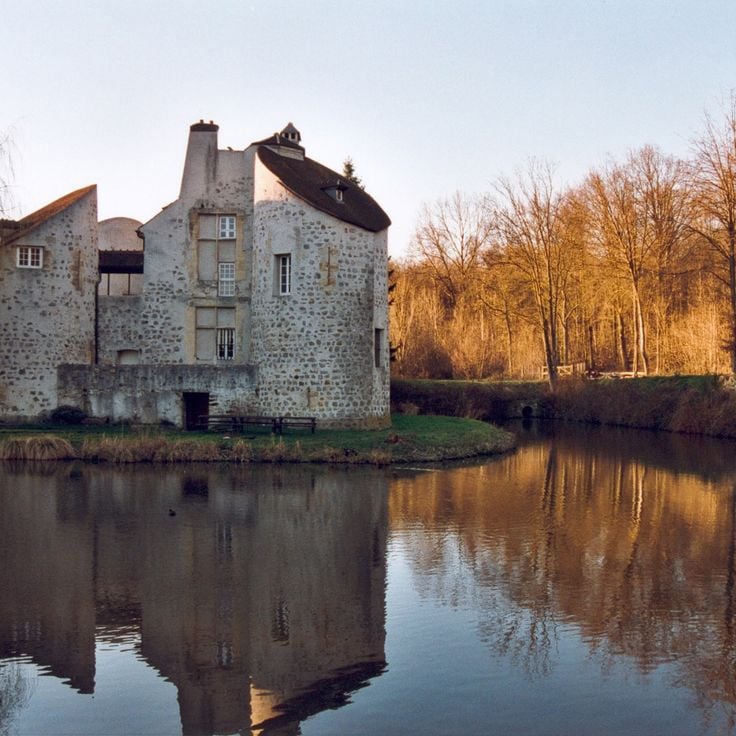
Alternative destinations in Ile De France
Île-de-France offers numerous historic sites beyond Paris, including medieval fortresses, artist residences, botanical gardens and art museums. The Château de Blandy-les-Tours preserves 13th-century military architecture, while the Albert Kahn Museum & Gardens contains a collection of historic...
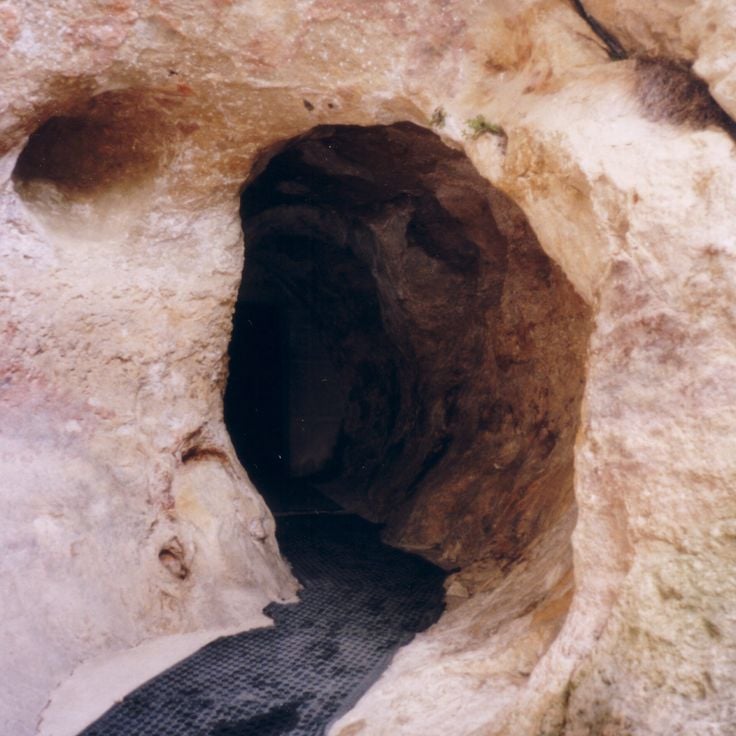
The most beautiful hidden spots in Nouvelle-Aquitaine
The Nouvelle-Aquitaine region contains historic and natural sites often overlooked by traditional tourist routes. The area features military castles such as Bonaguil with its seven 13th-century towers, underground churches carved into limestone in Saint-Émilion and Aubeterre-sur-Dronne, as well as...
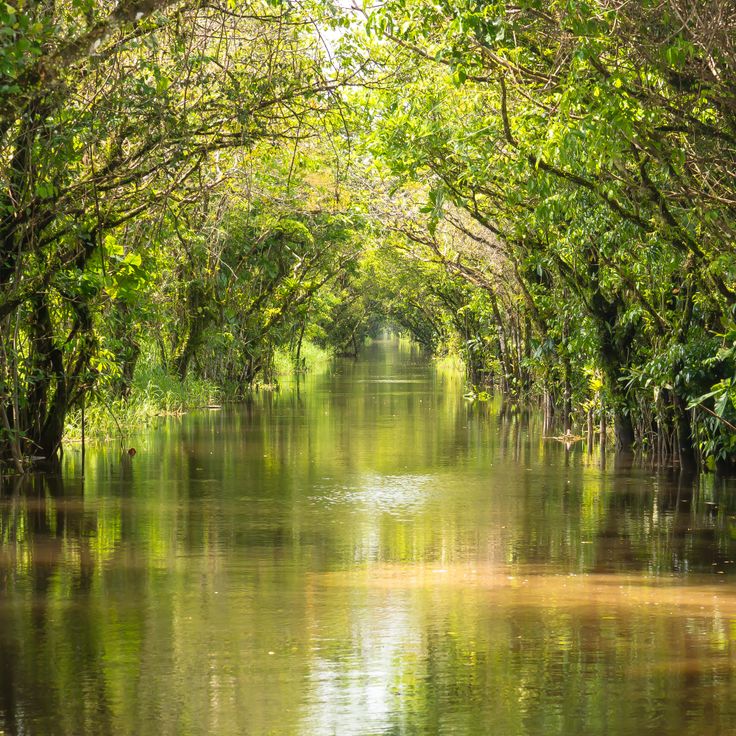
Nature areas and historical sites in French Guiana
French Guiana is a region where tropical rainforests meet rivers and coastal areas. The landscape brings together South American nature with French history. You can visit nature reserves where birds and turtles live, explore colonial ruins, and see ancient rock carvings made by indigenous peoples....
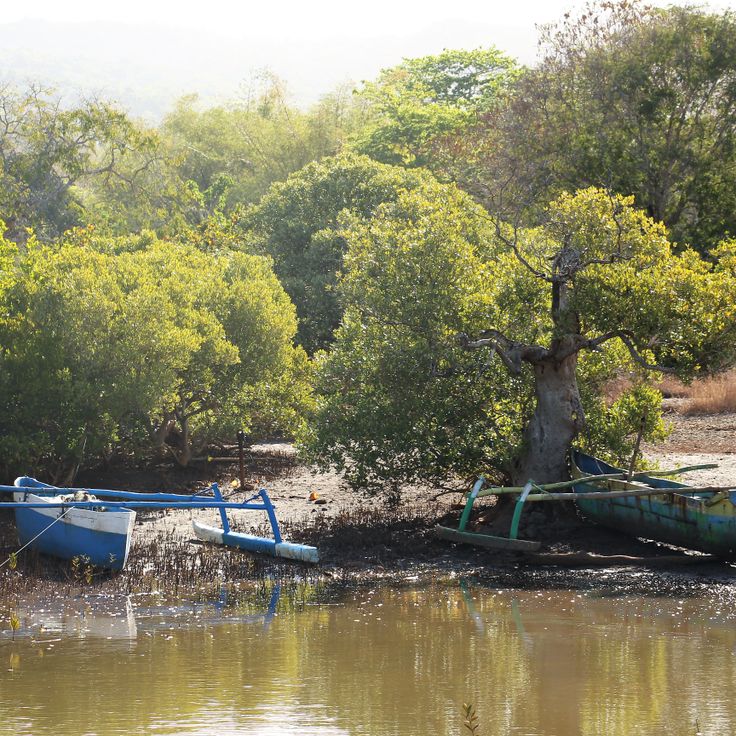
Natural areas and beaches of Mayotte
Mayotte is an archipelago in the Indian Ocean with a varied landscape of volcanic lakes, sandy beaches, and protected natural areas. The islands host coral reefs, mangrove forests, and marine habitats that invite exploration. Historic mosques such as Tsingoni and busy fish markets display the...
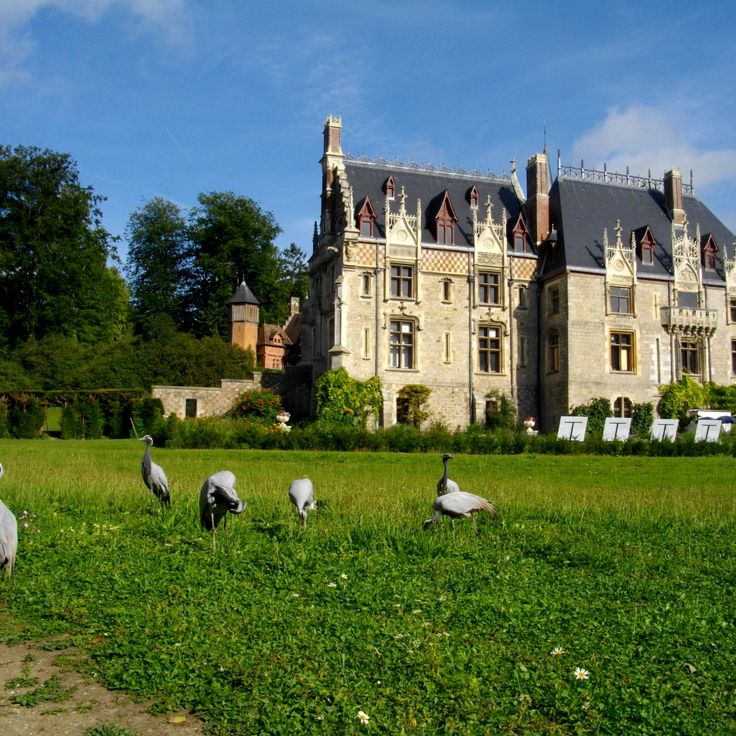
Normandy: hidden villages, quiet castles, unknown beaches
Normandy offers historical sites and natural spaces worth a visit. You will find old monasteries, castles from the Middle Ages, villages along the coast, and different types of scenery. Some well-known places like the Bénédictine Palace in Fécamp or Monet's Gardens in Giverny attract visitors, while...
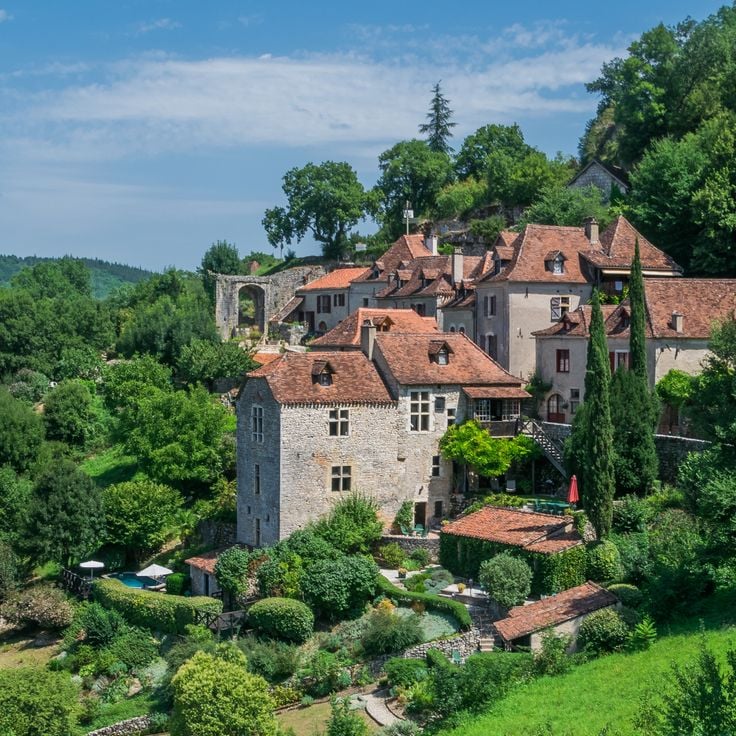
Occitanie: following the paths of the Cathar castles and limestone gorges
Occitanie encompasses an architectural and natural heritage that reflects many centuries of history. Medieval villages are nestled in valleys and on heights, while castles and monasteries tell of the era of the Cathars and religious orders. The region also features remarkable geological formations:...
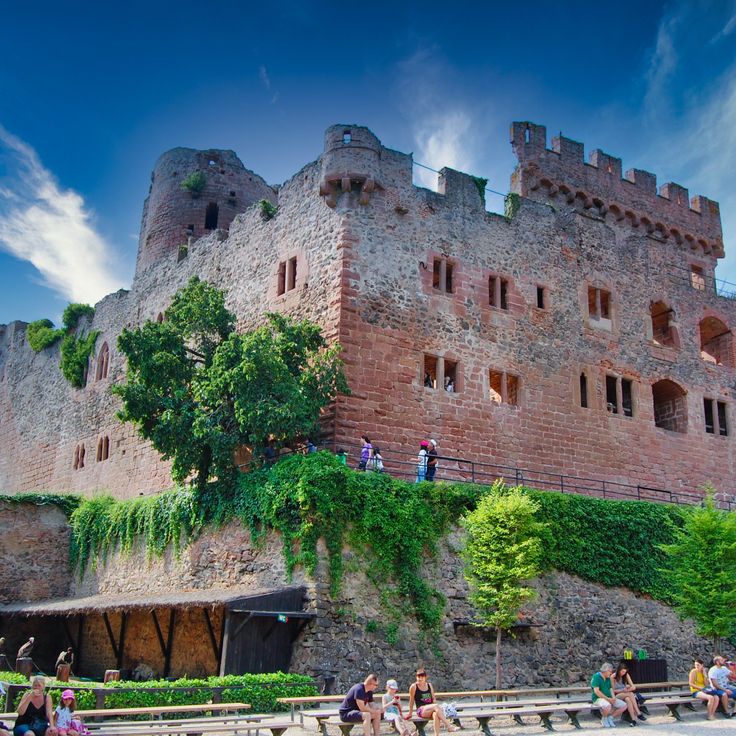
Hidden places of Grand Est: medieval forts, Renaissance castles and forgotten abbeys
The Grand Est displays a rich architectural and military heritage, from fortified structures like the Fort of Mutzig and the La Ferté ouvrage on the Maginot Line, to princely residences such as Château de Lunéville with its French gardens. The region also preserves religious sites like the Abbey of...
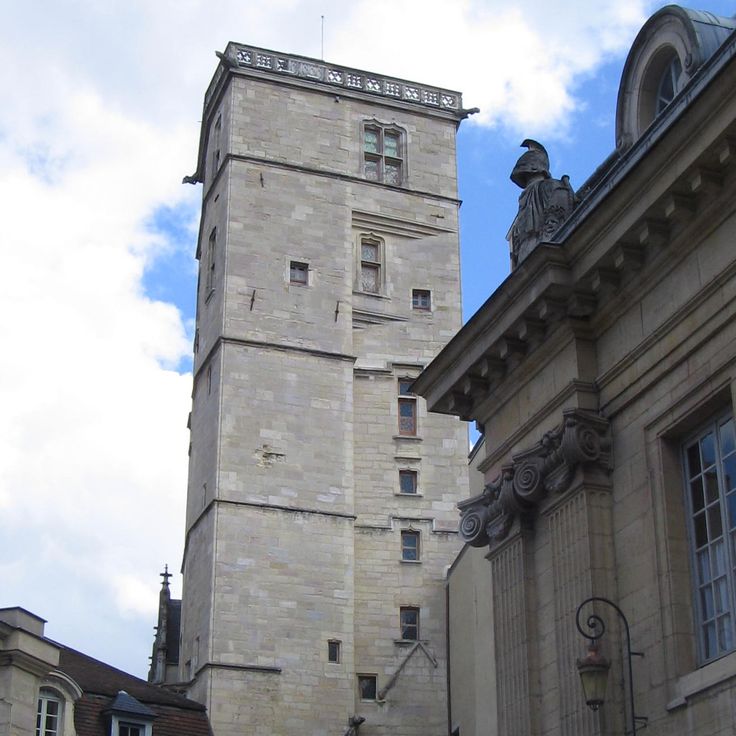
The most beautiful hidden spots of Burgundy-Franche-Comté
Burgundy-Franche-Comté encompasses a varied heritage that spans several millennia. The region houses prehistoric sites such as the Roche de Solutré, monasteries founded as early as the 6th century like Baume Abbey, as well as medieval fortresses and Renaissance homes. Natural formations include the...