Collections
Photography spots and viewpoints in Biarritz
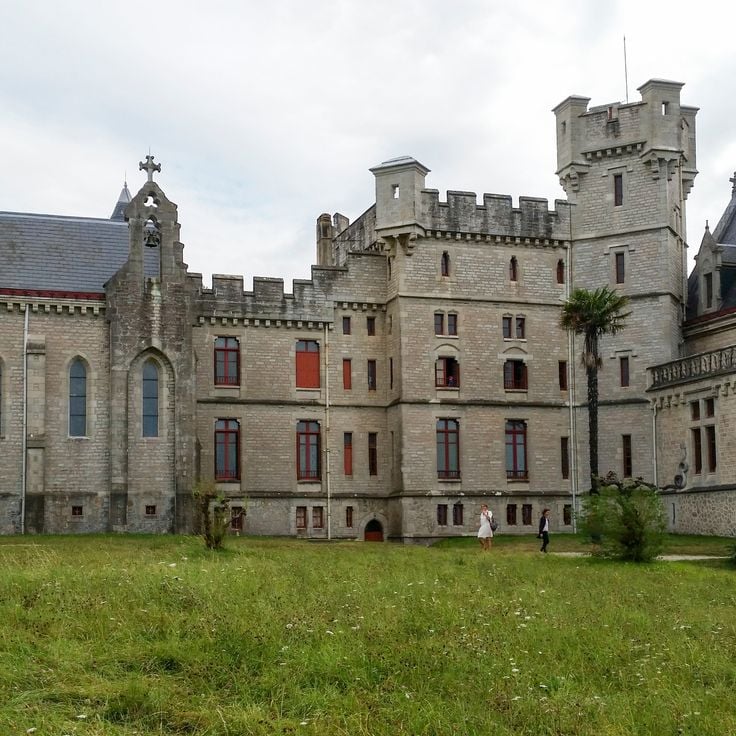
Biarritz offers photographers and visitors a coastal path that connects several landmark locations. The Rocher de la Vierge rock monument, the Art Deco Casino, the lighthouse, and the imperial palace define the city's character. Several beaches including Grande Plage, Port Vieux, and Côte des...
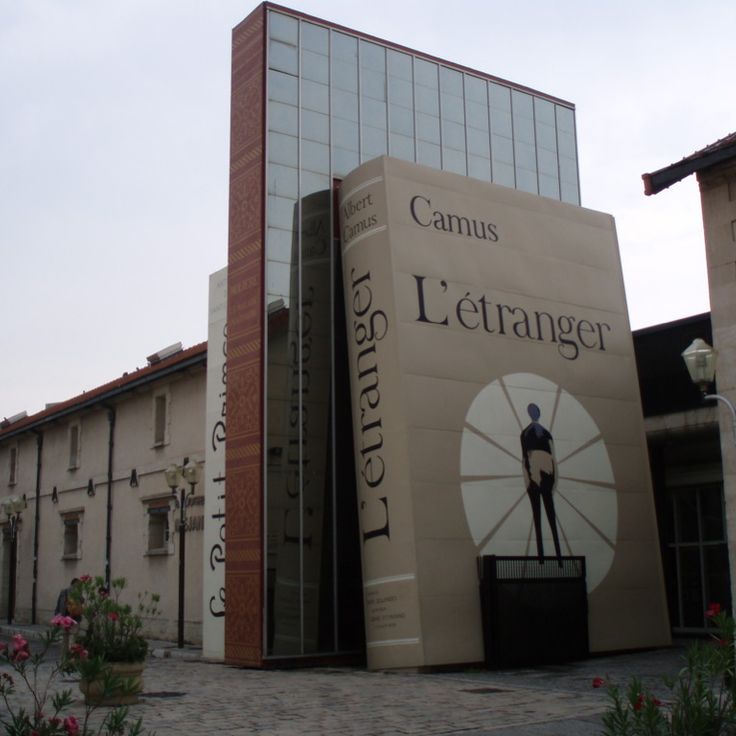
Photo spots in Aix-en-Provence
Aix-en-Provence is a city where history lives in every corner. The Cours Mirabeau, lined with trees and fountains, forms the heart of the town. The old quarter reveals itself through narrow streets, elegant mansions, and bustling markets. The Saint-Sauveur Cathedral and Hôtel de Caumont show...
Best photography locations in Avignon
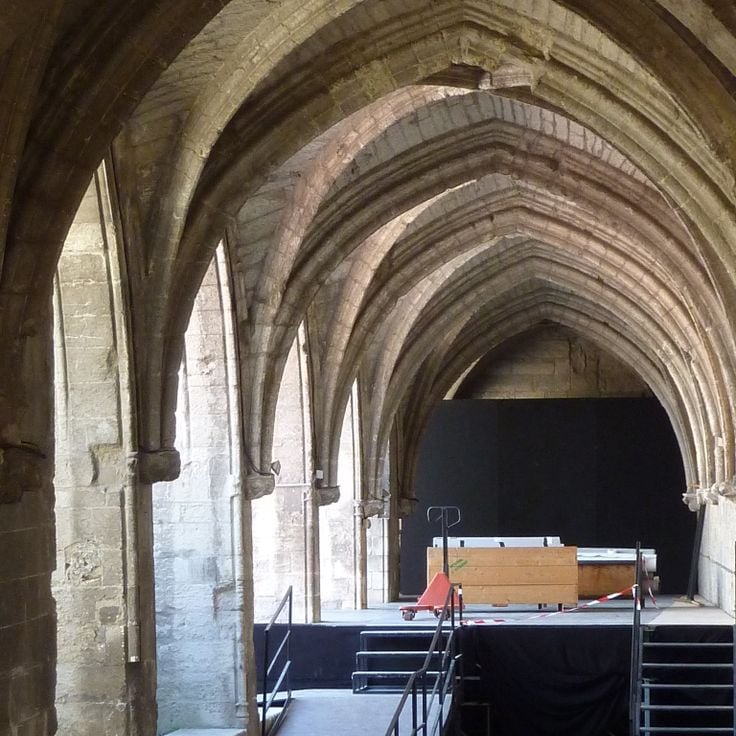
Avignon in southeastern France offers photographers many historical subjects to capture. The Papal Palace displays medieval architecture with large stone walls and Gothic details. The Saint-Bénézet bridge crosses the Rhône river and stands as a recognizable landmark of the city. From Rocher des...
Photography spots in Poitiers and surrounding areas
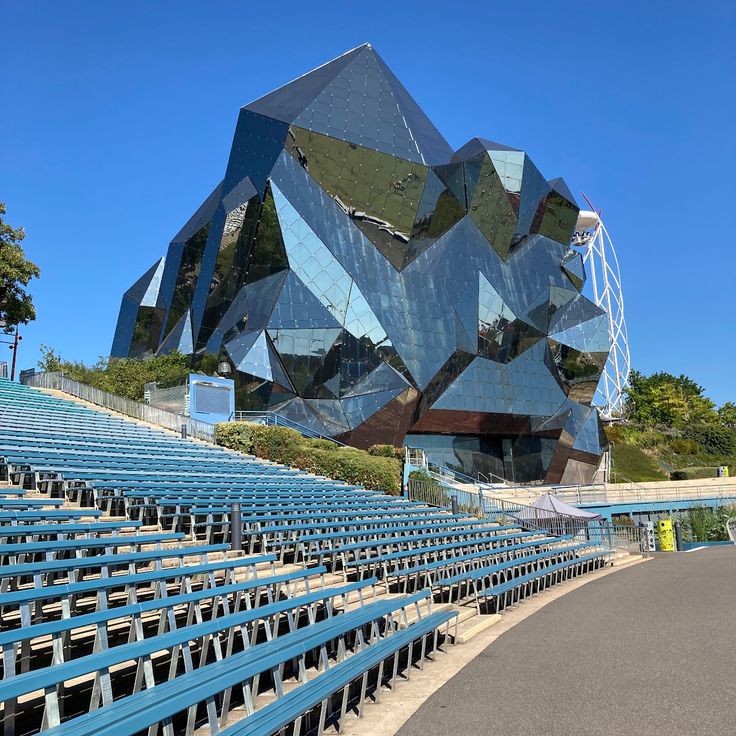
Poitiers and its surrounding region tell a long story through stone and architecture. The old city center holds churches built across different periods, including Notre-Dame la Grande and Saint-Pierre Cathedral, where carved façades and interior spaces reveal the craftsmanship of earlier times....
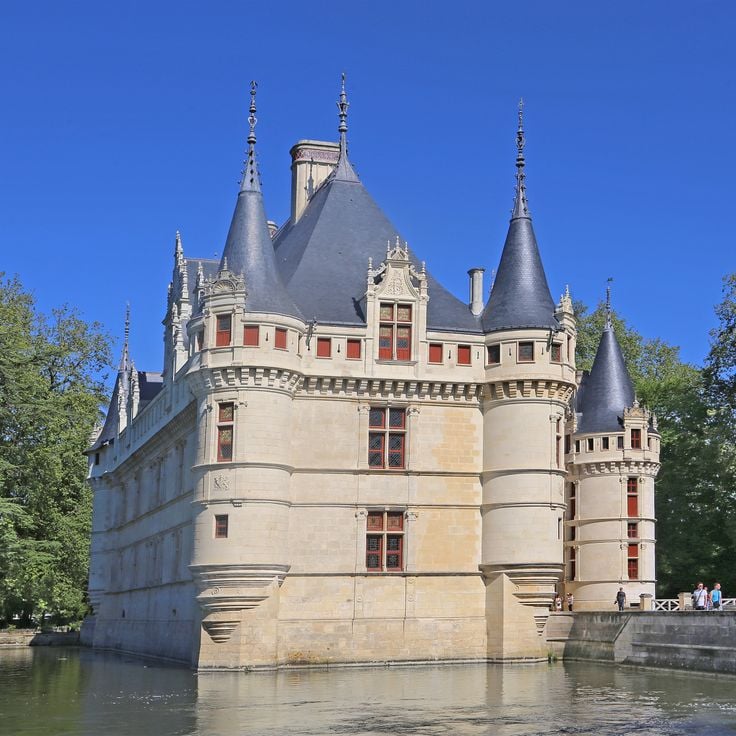
Photo spots in Tours and Val de Loire: places for Instagram and photoshoots
The Loire Valley features Gothic cathedrals, Renaissance châteaux and medieval squares. From Saint-Gatien Cathedral to Château de Chenonceau, each location displays architectural details: towers, stone walls, decorated facades and geometric gardens. The city of Tours combines half-timbered houses,...
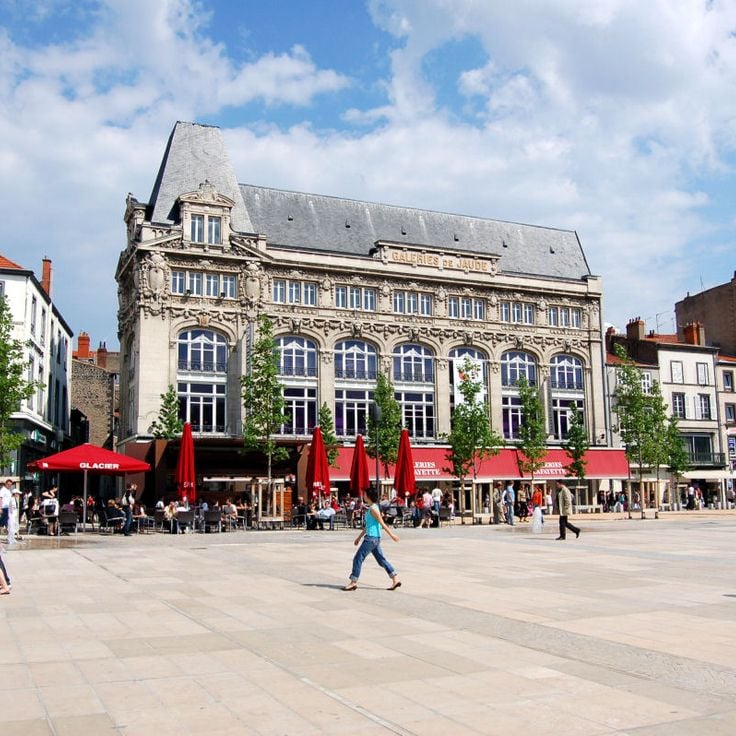
Instagrammable photo spots in Clermont-Ferrand
Clermont-Ferrand sits at the edge of a volcanic landscape in the Massif Central, offering a mix of geological formations, medieval architecture and urban spaces for photographers. The Cathedral of Notre-Dame-de-l'Assomption, built from black volcanic stone, rises above the historic center, while Puy...
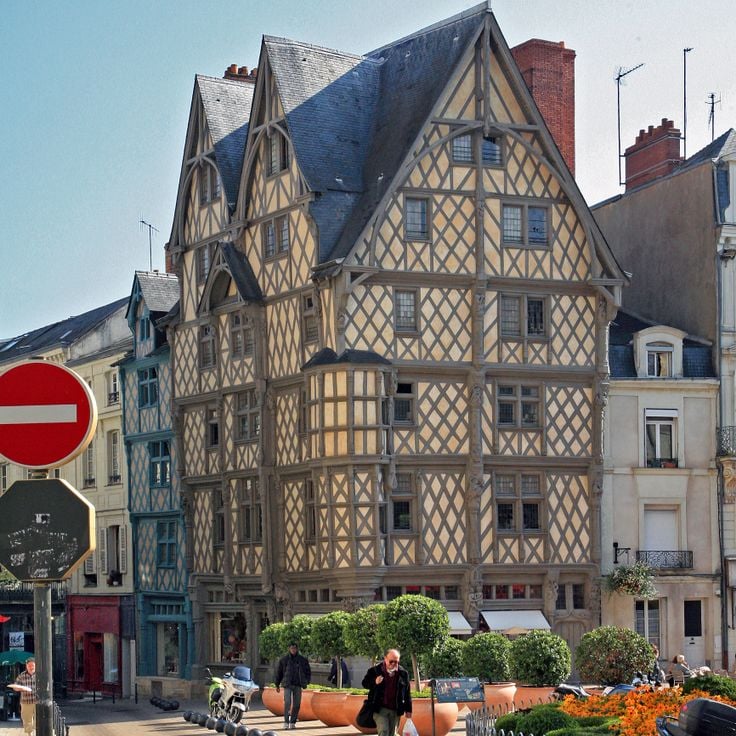
Angers: the best places for perfect photos between Loire and heritage
Angers draws you in with the quiet beauty of a city where ancient stones seem to speak with the changing light. Once a royal seat and the heart of Anjou, this place brings together the solid strength of its medieval castle, the soaring lines of its Gothic cathedral, and gardens that feel almost...
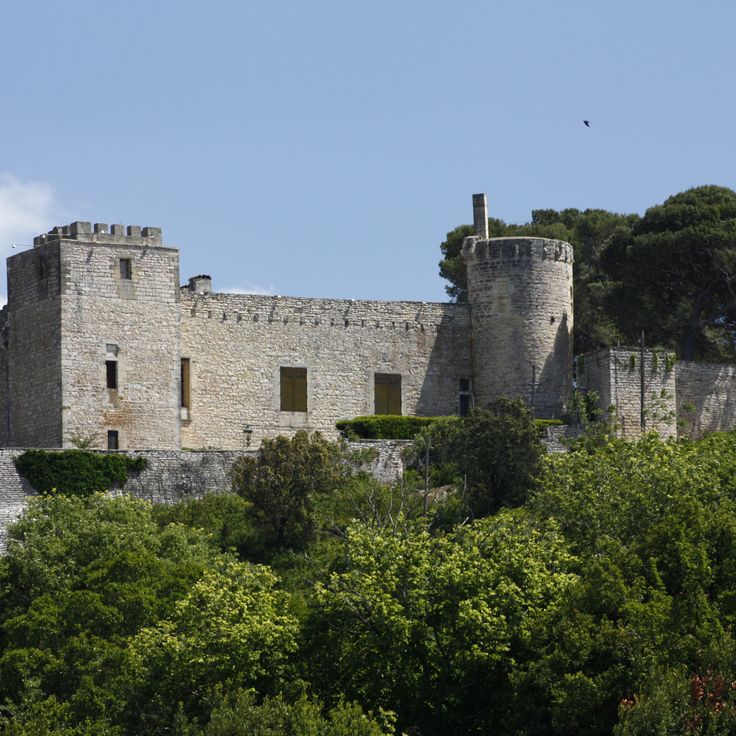
Places to photograph in Nîmes: Roman monuments, modern architecture, and historic gardens
Nîmes brings together two thousand years of architecture in one view. As you walk, you pass from the Roman amphitheater of the first century to the glass façade of the Carré d'Art, built in the 1990s. The Maison Carrée, an ancient temple with Corinthian columns, faces this contemporary art museum in...
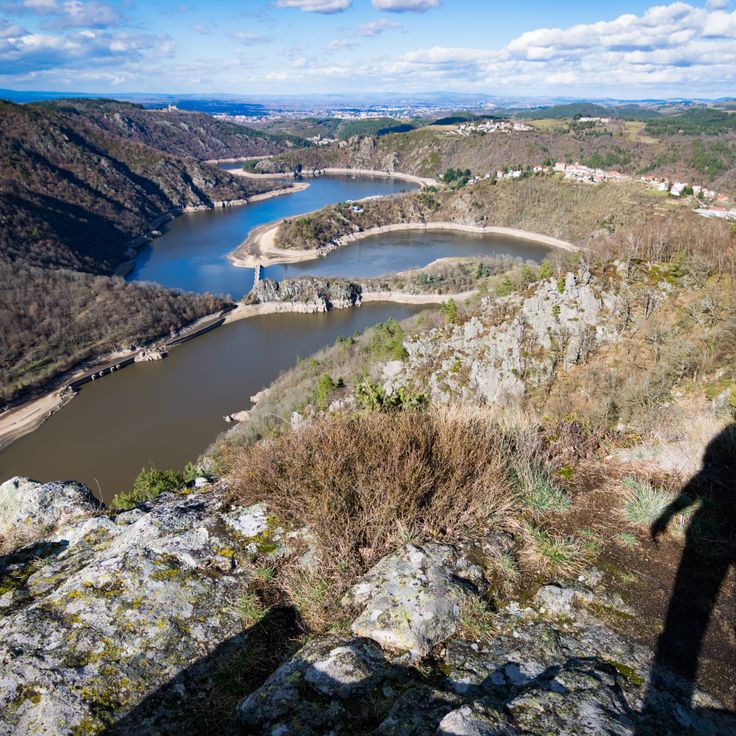
Photography locations in Saint-Etienne
Saint-Etienne offers a range of settings for photography across a city that has evolved from its industrial roots into a cultural destination. The city center combines historic landmarks like Saint Charles Borromeo Cathedral with modern structures such as the Cité du Design. Public squares,...
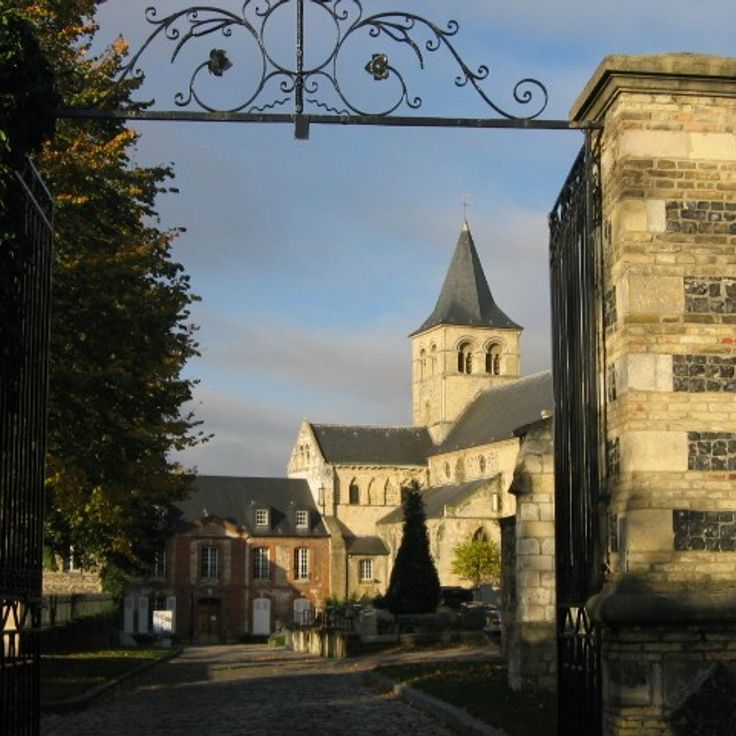
Photography locations in Le Havre
Le Havre is a compelling destination for photographers, combining architecture from different periods with maritime scenes. The city was rebuilt after World War II and offers a striking collection of modern buildings alongside historic structures. Oscar Niemeyer left his mark with the distinctive...
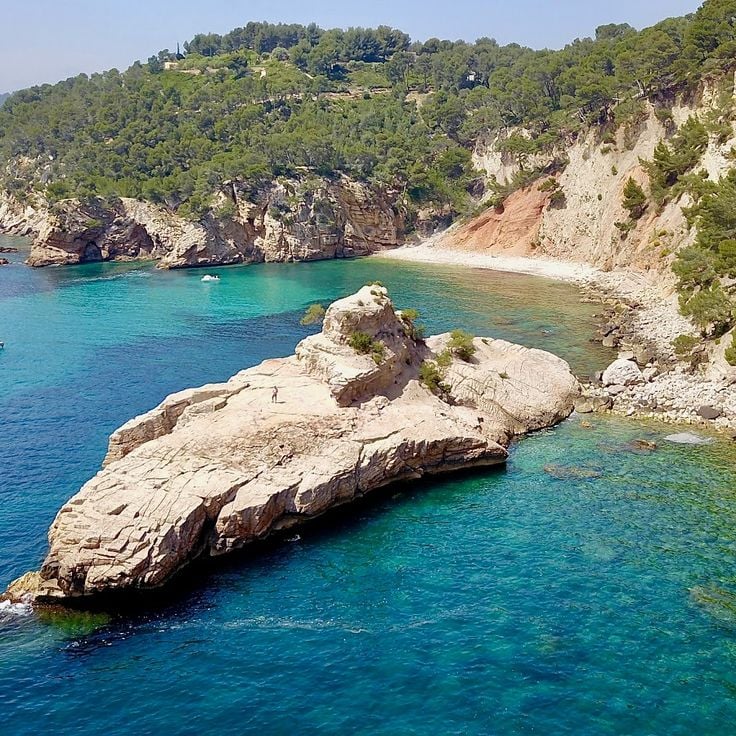
Photography locations in Toulon: harbour, Mont Faron, historic centre
The port city of Toulon on the French Mediterranean coast offers numerous subjects for photographers. The historic city centre displays buildings from the 17th and 18th centuries, including the Sainte-Marie-Majeure Cathedral and the town hall with its atlantes by Pierre Puget. The military harbour,...
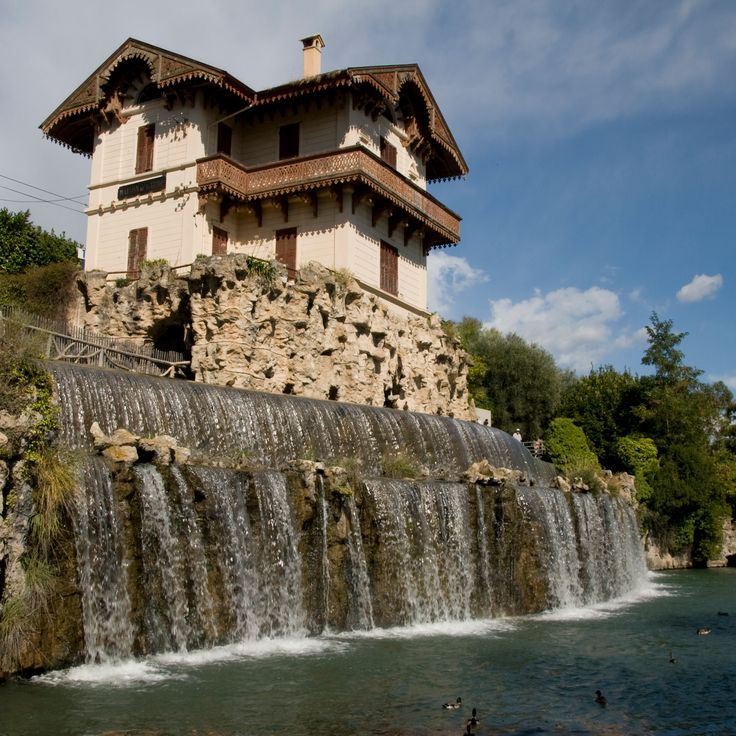
Nice to photograph: best viewpoints, Promenade des Anglais, and Castle Hill
Nice naturally lends itself to photography. The Mediterranean light shapes the city from morning to evening, revealing in turn the ochre facades of Old Nice, the palms lining the Promenade des Anglais, or the blue domes of Saint-Nicolas Orthodox Cathedral. From the Château hilltop, at 92 meters...
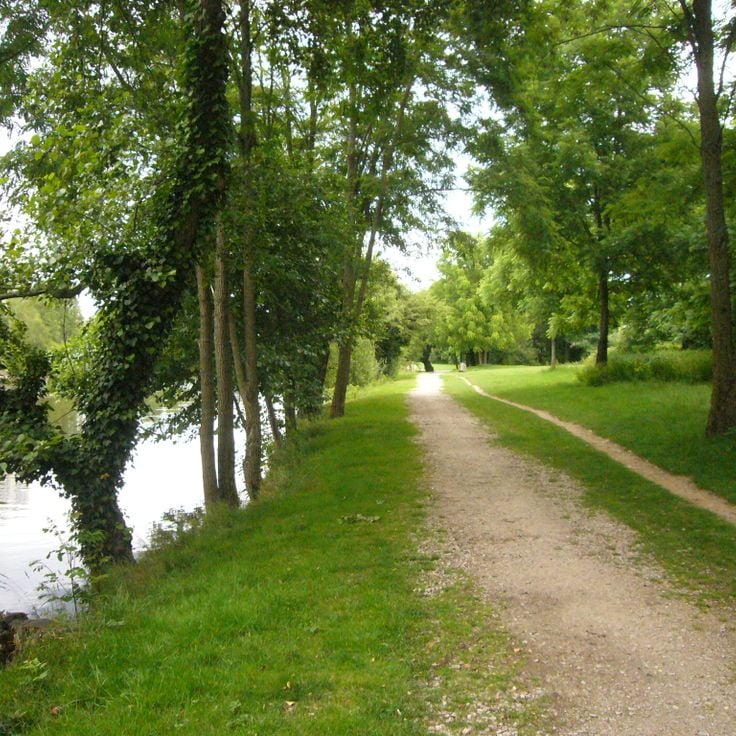
Photo spots and views in Limoges
Limoges, a city in central France, shows traces of its long history through streets, bridges and buildings. The Saint-Étienne Cathedral rises above the old town with its colored glass windows, while the Bénédictins railway station welcomes travelers with its decorated facade and large hall. The...
Instagram photography locations in Rouen
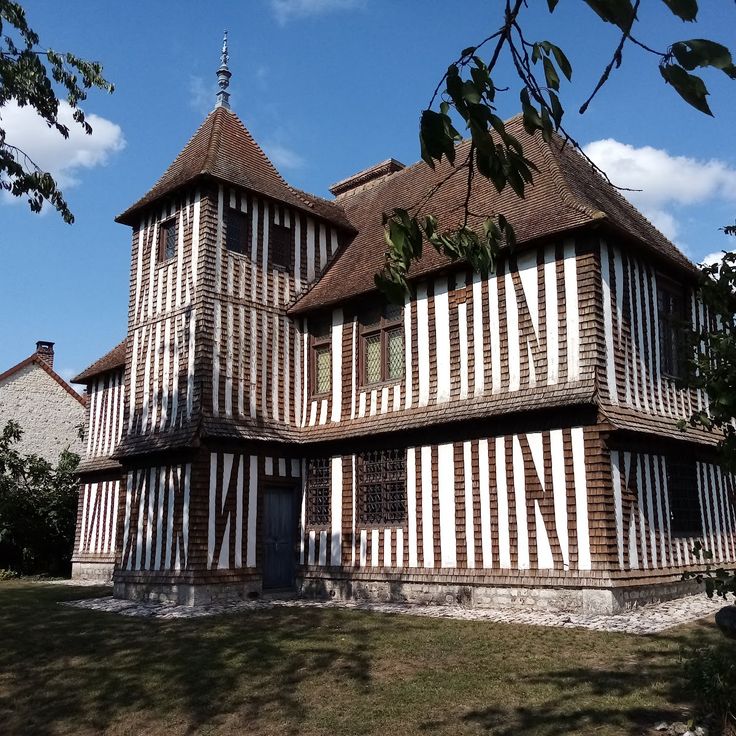
Rouen offers a rich architectural heritage with buildings spanning medieval, Renaissance, and modern periods. The Notre-Dame Cathedral, a Gothic structure from the 13th century, rises above the historic center. The old town is filled with narrow streets lined by timber houses with carved beams and...
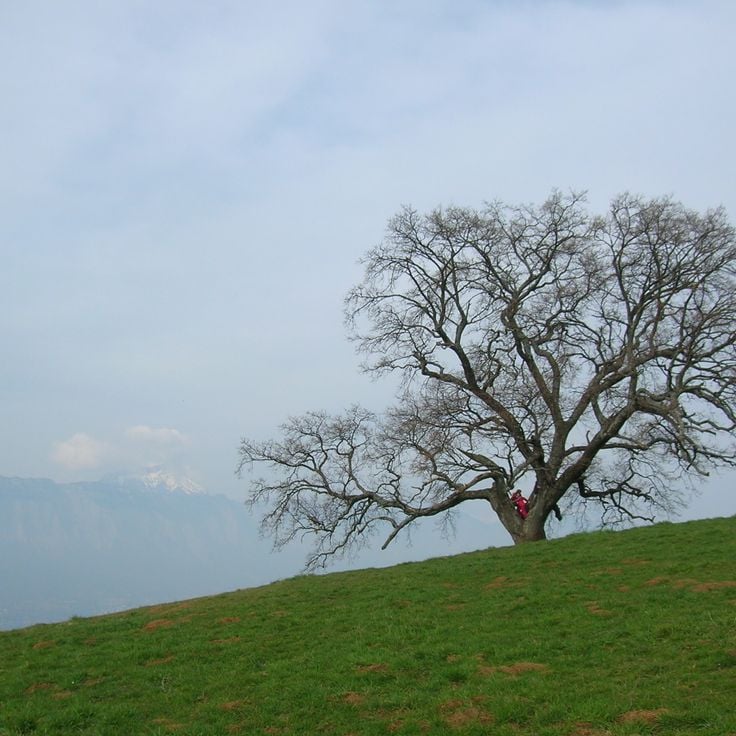
Photo locations and views in Grenoble
Grenoble offers many places to photograph, from the Saint-Laurent Bridge crossing the Isère River to the Bastille fortress rising 476 meters above the city. The old town reveals itself through narrow streets in the Saint-Laurent district lined with stone buildings, surrounded by squares like Place...
Best photo locations in La Rochelle
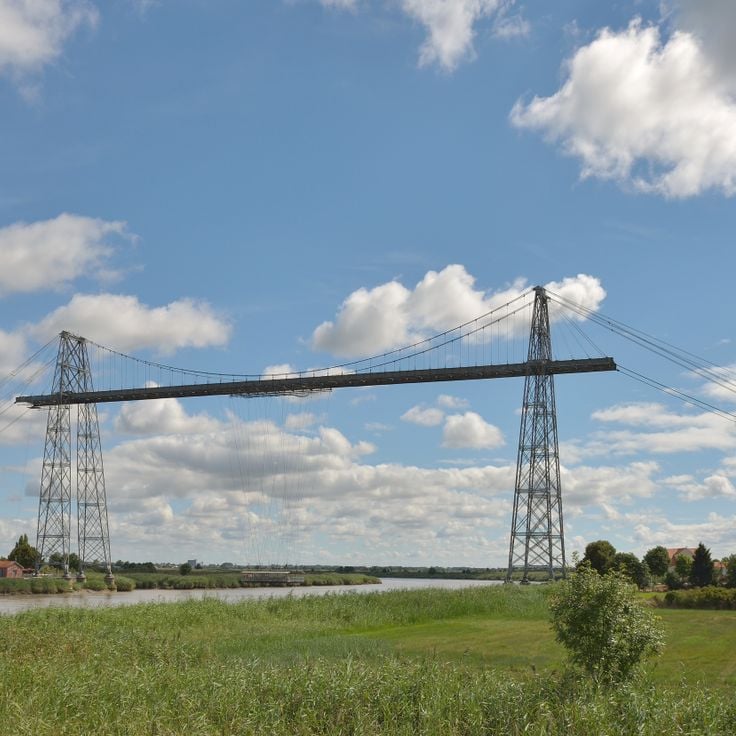
La Rochelle documents over seven centuries of French maritime history through its medieval fortifications and Renaissance architecture. The old port is guarded by three stone towers from the 14th and 15th centuries - the Saint Nicolas Tower, the Tour de la Chaîne, and the Lantern Tower - which once...
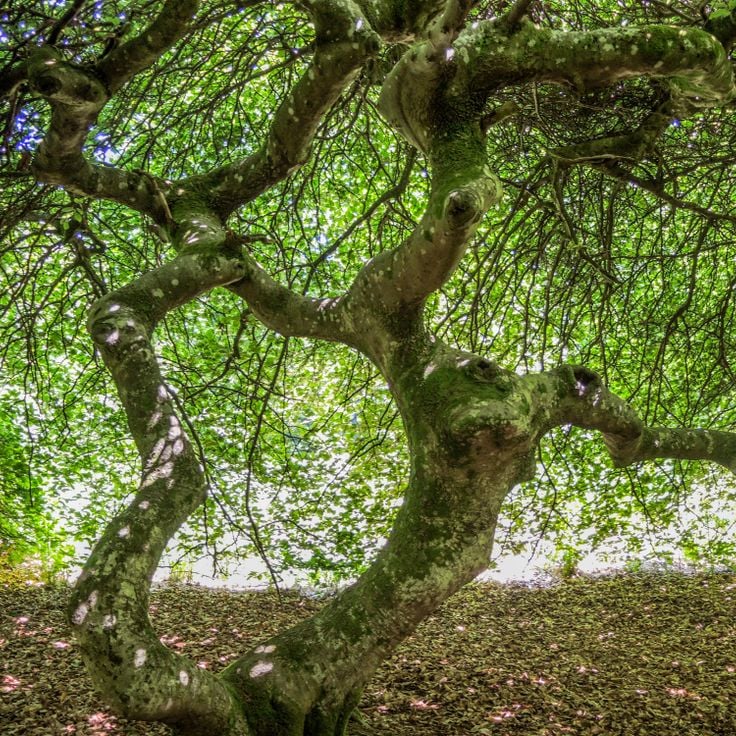
Photography in Reims: Gothic cathedral, Roman ruins, champagne caves
Reims is a city where different historical periods naturally exist side by side, making it a favorite for photographers. Churches and palaces from the Middle Ages stand near Roman ruins, while underground caves have been turned into champagne cellars. These underground spaces offer special settings,...
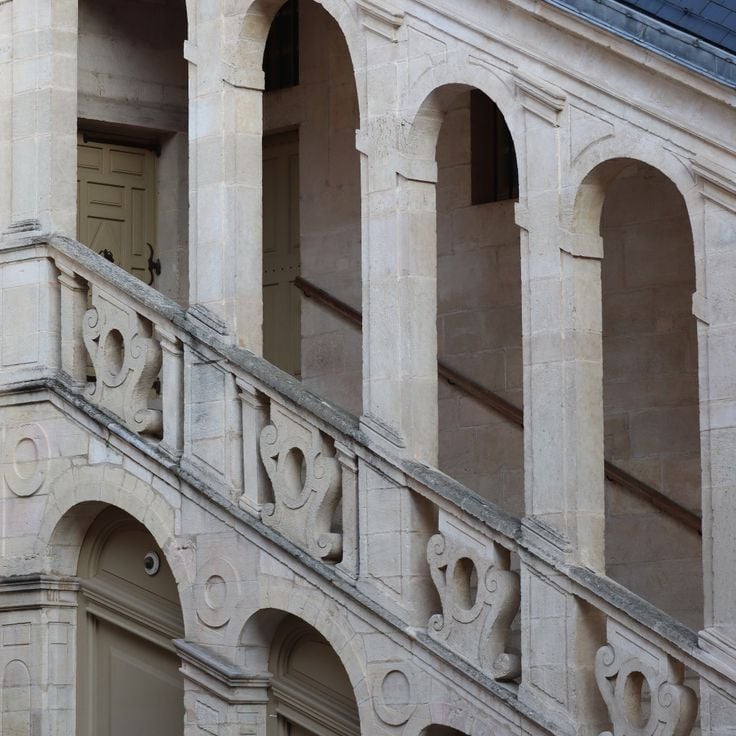
Photography locations in Dijon city
Dijon provides many locations for photography. The old city shows Gothic churches like Notre-Dame Cathedral alongside Renaissance palaces, especially the Palais des Ducs. Narrow streets with old buildings, several squares, and green spaces complete the picture. The Tower Philippe le Bon offers views...
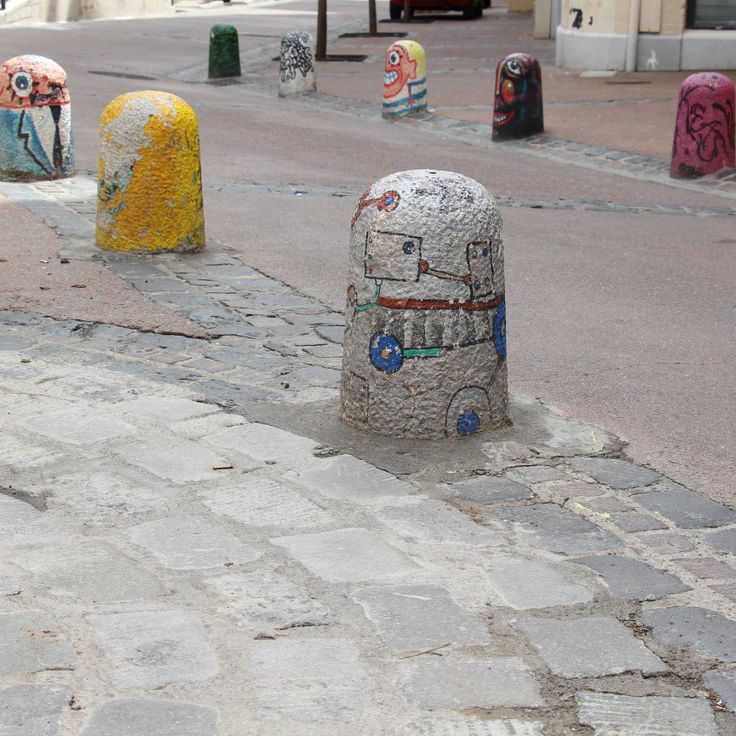
Photography locations in Montpellier
Montpellier provides photographers with diverse locations spread across the city. Modern buildings like Arbre Blanc and Corum stand alongside medieval structures such as the Tour des Pins and Porte du Peyrou. The city layers different architectural periods throughout its neighborhoods, offering...
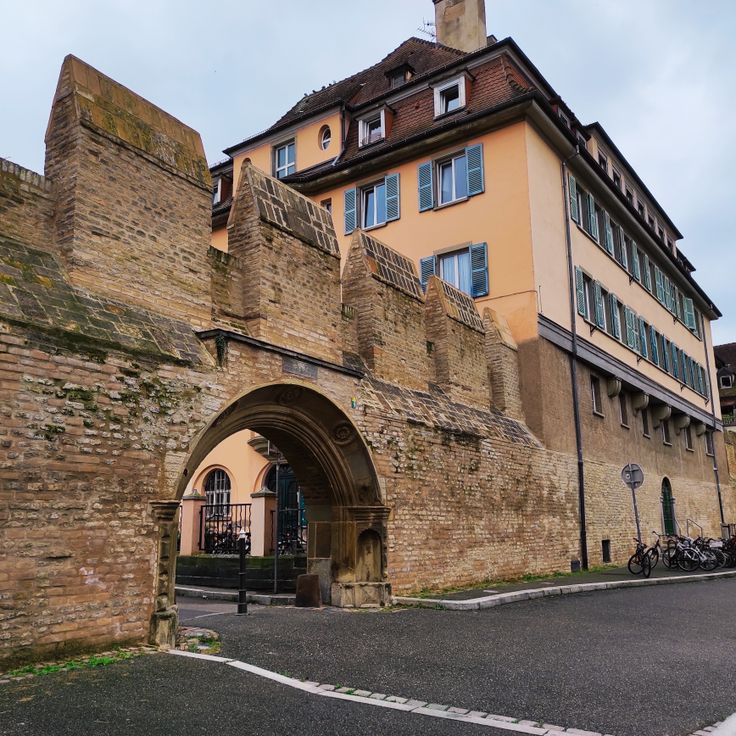
Alternative photo locations in Strasbourg
Strasbourg offers numerous photographic opportunities beyond its main attractions. The city presents a collection of historic timber-framed houses, medieval bridges, hidden courtyards and notable architectural monuments from various periods. From the hieroglyph-adorned Maison Égyptienne to the...