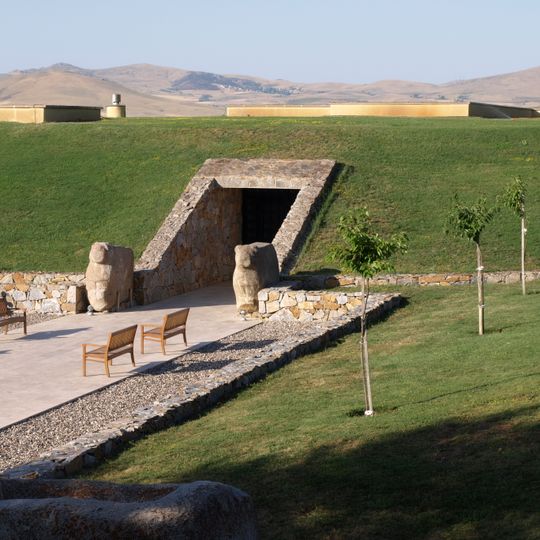
Kaman-Kalehöyük, Archaeological excavation site in Kırıkkale Province, Turkey.
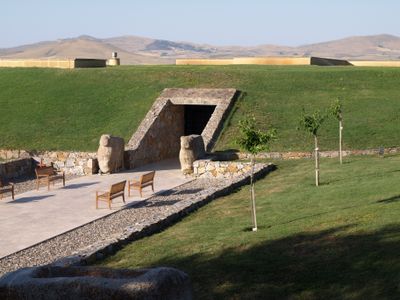
Kaman-Kalehöyük is an archaeological excavation site near the town of Kaman in Kırıkkale Province, Turkey, formed by layers of ancient settlements built one on top of another over millennia. The site takes the form of a tell, a raised mound that grows taller with each new layer of human occupation.
The earliest traces of settlement at this site go back to the second millennium before the common era, and people continued to live here through the Iron Age and into the Ottoman period. Each group left behind objects and structures that now form distinct layers within the mound.
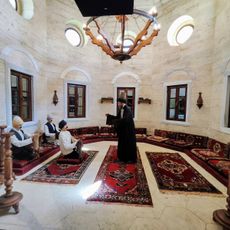
The small on-site museum displays everyday objects, tools, and ornaments that show how people in this part of central Anatolia lived across different eras. Walking through the collection gives a sense of how daily life changed from one period to the next over thousands of years.
Comfortable shoes are useful here since the ground is uneven and parts of the excavation area require some walking over loose terrain. The site also has a small museum and a botanical garden, so it is worth setting aside enough time to see both alongside the mound itself.
Some of the glass objects found at this site date to around 1600 before the common era and are among the earliest known examples of glassmaking anywhere in the world. Their discovery here, in central Anatolia, suggests this region played a role in the spread of that craft.
The community of curious travelers
AroundUs brings together thousands of curated places, local tips, and hidden gems, enriched daily by 91,659 contributors worldwide.