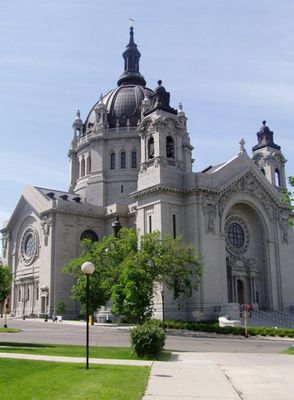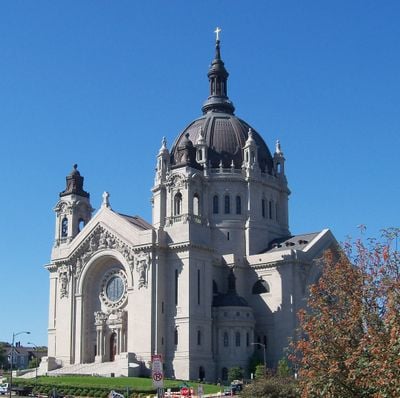
Roman Catholic Archdiocese of Saint Paul and Minneapolis, Catholic archdiocese in the United States
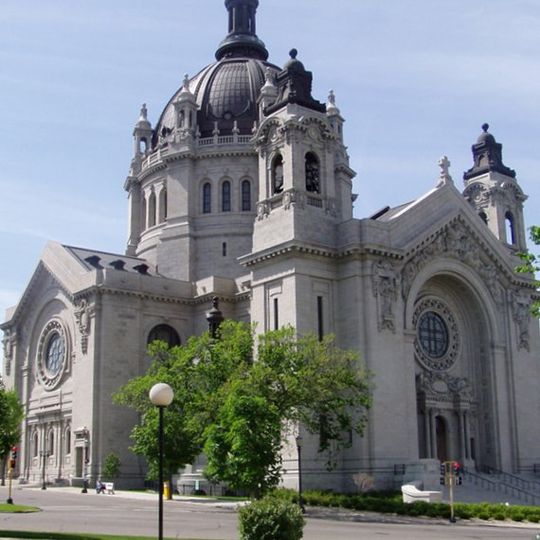
The Roman Catholic Archdiocese of Saint Paul and Minneapolis is a church organization serving Minnesota with about 12 counties and operating more than 180 churches and almost 90 Catholic schools. These institutions provide worship services, education programs, and community support to residents throughout the region.
The archdiocese was established as a diocese in 1850 and elevated to archdiocese status by the Pope in 1888, reflecting its growing importance in the Catholic Church. Its early growth was driven by Irish, German, and French immigrants who built churches, schools, and hospitals throughout the region.
The archdiocese brings together Catholics from many backgrounds who maintain their traditions through regular gatherings and celebrations. Its churches and schools function as community centers where people pray, share meals at festival events, and participate in activities that strengthen their connections to faith and each other.
The archdiocese spans a large area covering about 12 counties, so visitors should know that individual churches and schools are scattered throughout rather than grouped in one central location. Planning ahead to identify which sites you want to visit helps make the most of your time across the region.
Bishop John Ireland, known as the Patriarch of the West in the late 1800s, exerted unusual influence on national church politics and policy. His efforts to found colleges and construct the Basilica of Saint Mary left a lasting mark on the archdiocese's development and identity.
The community of curious travelers
AroundUs brings together thousands of curated places, local tips, and hidden gems, enriched daily by 92,814 contributors worldwide.