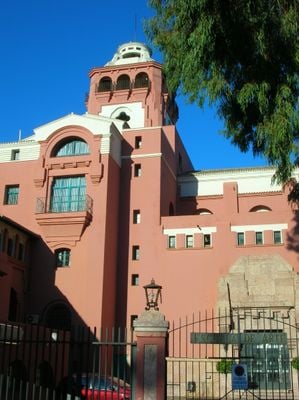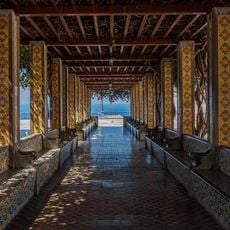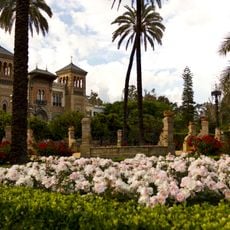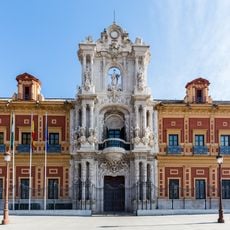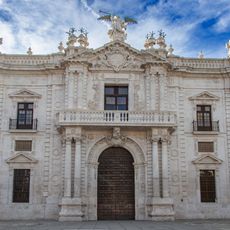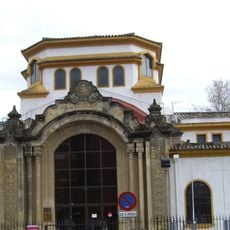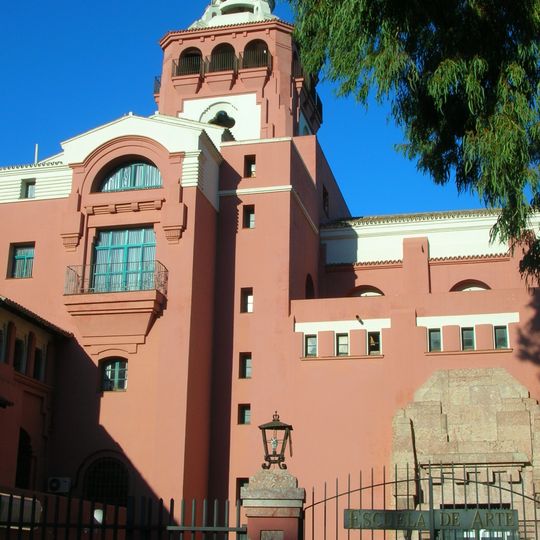
Chile Pavilion, Seville, National pavilion in Maria Luisa Park, Seville, Spain.
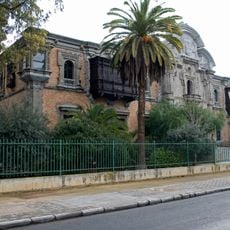
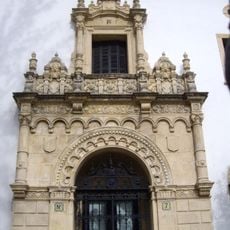
The Chile Pavilion is an Art Deco building with concrete construction and decorative elements inspired by indigenous design, featuring a color transition from gray at the base to white at the top. The interior was originally organized with dedicated exhibition spaces that displayed different economic sectors and industries of the country.
The building was constructed between 1927 and 1928 for the 1929 Ibero-American Exposition held in the city. A Chilean architect designed the pavilion, which reflected the country's importance in international exhibitions during that period.
The pavilion presented products and industries important to Chile, including sections dedicated to mining, agriculture, and art that showed visitors different aspects of the country. These displays helped people understand what made the nation distinctive during the 1920s.
The building now serves as an art school and operates as an active educational institution. Visitors should note that it remains in use as a teaching facility, which may affect when and how the space can be explored.
A dedicated hall inside displayed the complete process of copper from raw material to finished product, making it one of the most memorable sections of the pavilion. This exhibition area highlighted the mineral processing industry that was central to the country's economy.
The community of curious travelers
AroundUs brings together thousands of curated places, local tips, and hidden gems, enriched daily by 91,694 contributors worldwide.