Villa Romana de Toralla, Archaeological museum in Vigo, Spain.
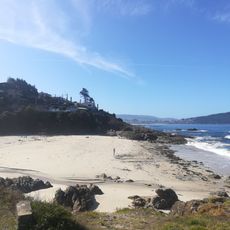
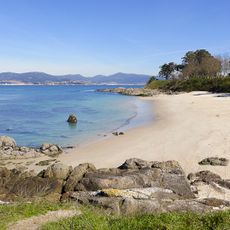
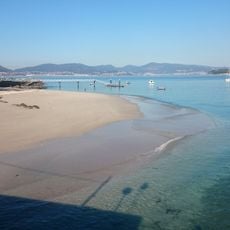
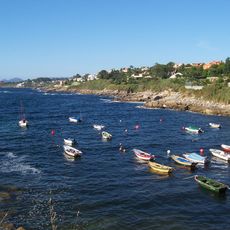
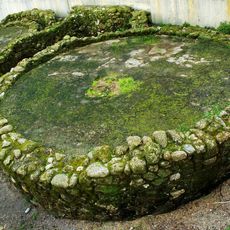
Villa Romana de Toralla is an excavated Roman residential settlement on the Vigo coast with bathing facilities, domestic spaces, and salt-working areas. The visible foundations display typical Roman building design adapted for a coastal location.
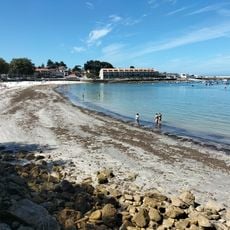
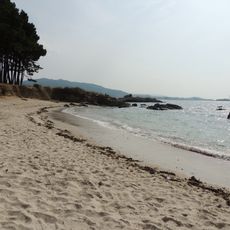
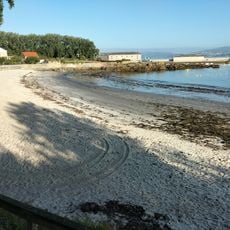
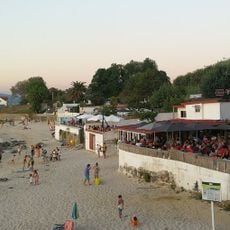
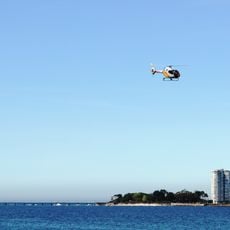
The villa was built on a small cape between the beaches of Vao and Canido and occupied between 300 and 450 AD, at the end of the Roman Empire. The island of Toralla had earlier held a pre-Roman castro, abandoned around the 1st century AD, and a Roman cemetery was also found nearby. The Mirambell family discovered the remains on their estate; after years of excavation the museum opened in 2007.
Salt production was essential to daily life here, shaping how residents organized their work and time. The layout reveals how Roman techniques adapted to local coastal conditions and resources.
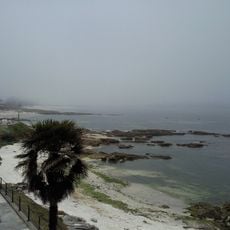
The site sits directly on the coast and is easily accessible on foot with clearly marked paths between the remains. Visitors should wear sturdy footwear as ground surfaces are uneven and weather exposure is considerable.
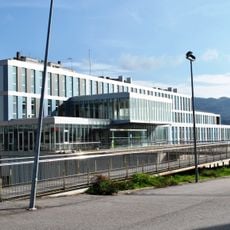
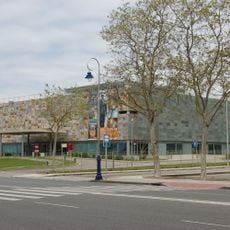
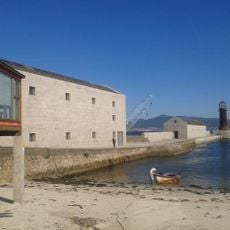
The Mirambell family house, built in 1906 and remodelled several times during the 20th century, was to become the site's interpretation centre. Work halted in March 2013 when walls, tiles and bricks in good condition appeared in six boreholes drilled in the building, suggesting the villa was larger than the excavated area.
The community of curious travelers
AroundUs brings together thousands of curated places, local tips, and hidden gems, enriched daily by 93,583 contributors worldwide.