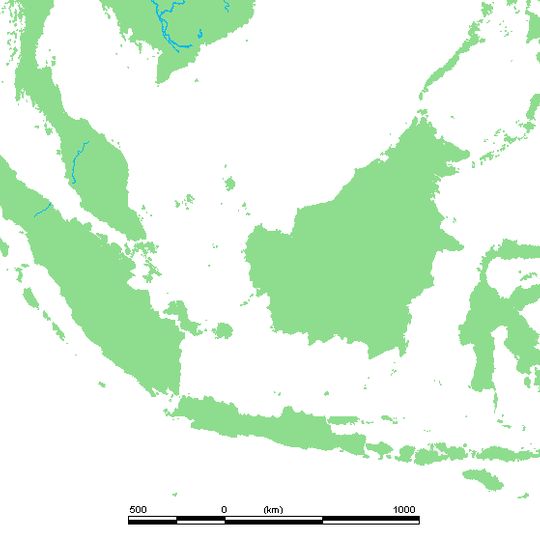
Sangihe Islands, Volcanic island archipelago in North Sulawesi, Indonesia.
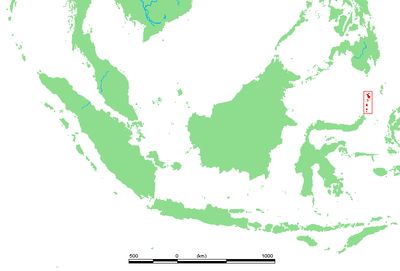
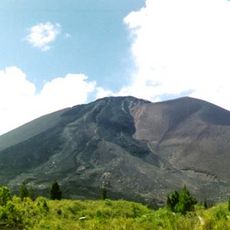
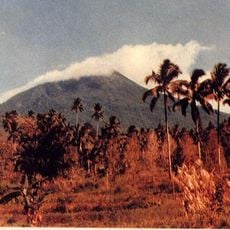
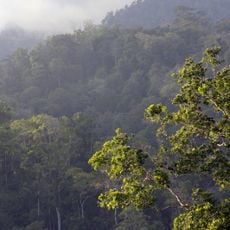
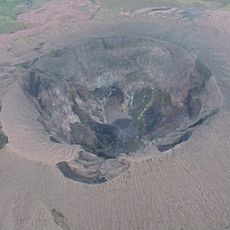
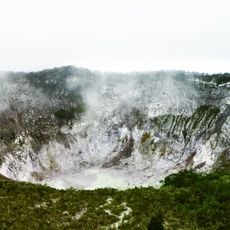
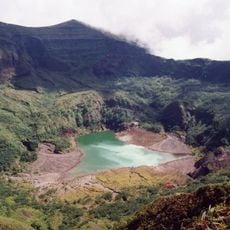
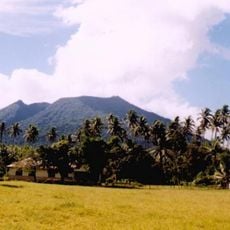
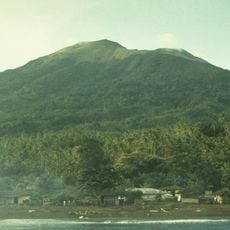
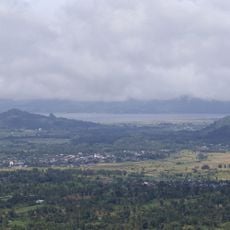
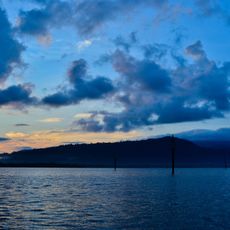
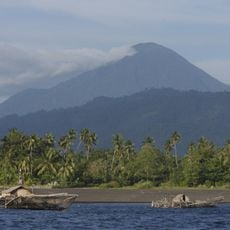
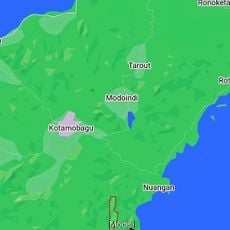
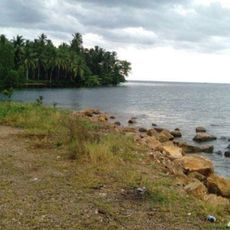
The Sangihe Islands are a volcanic archipelago in North Sulawesi comprising several inhabited islands including Sangihe, Siau, Tahulandang, and Biaro. They stretch across about 260 kilometers and display varied landscapes of green hills, coastal communities, and active volcanic formations.
Dutch traders established control over the islands in the 17th century, building trading posts across the archipelago. Following Indonesia's independence declaration in 1945, the islands became part of the new nation.
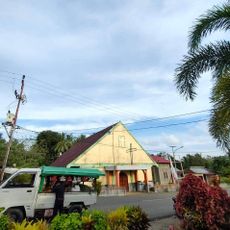
The local population speaks Sangir, a language distinct to these islands that shapes daily communication and community identity. Fishing and farming traditions deeply connect to this linguistic heritage and are visible throughout village life.
Tahuna serves as the main town on Sangihe Island and has a port and airport for external connections. Boats are the primary way to travel between the islands, connecting communities across the archipelago.
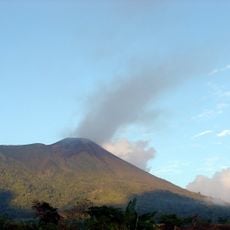
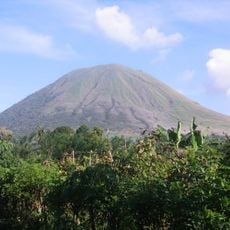
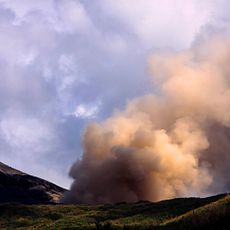
Mount Awu on Sangihe is an active volcano rising to about 1,320 meters, and its periodic eruptions have enriched the soil with nutrients over decades. This volcanic activity makes the islands exceptionally fertile for farming and shapes the overall landscape.
The community of curious travelers
AroundUs brings together thousands of curated places, local tips, and hidden gems, enriched daily by 90,826 contributors worldwide.