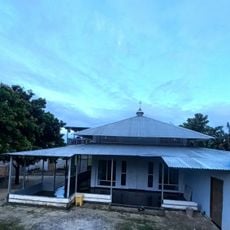
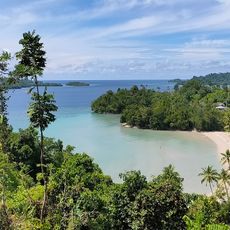
Southeast Maluku riot, Civil disturbance site in Southeast Maluku, Indonesia.
The riot in Southeast Maluku involved violent clashes between religious groups across multiple villages, causing widespread regional instability and the displacement of many residents. The unrest extended over several years and affected large areas of the archipelago with extensive destruction of homes and infrastructure.
Tensions escalated into major conflicts in 1999 during Idul Fitri celebrations and continued for years afterward. A turning point came with the signing of the Malino II Accord in 2002, which helped end the fighting.
The conflict reflected deep divisions between Christian and Muslim communities, shaped by migration patterns and changes in how people traditionally held and used land.
Affected areas had security checkpoints and curfews during the unrest to maintain order. Visitors should know that these regions still deal with the aftermath of the conflict today and a respectful approach is important.
The unrest led to the formation of militia groups like Laskar Jihad and Laskar Kristus, representing opposing religious communities and shaping the conflict's dynamics. These groups played a major role in escalating and sustaining the hostilities over many years.
The community of curious travelers
AroundUs brings together thousands of curated places, local tips, and hidden gems, enriched daily by 91,828 contributors worldwide.