Yesud HaMa'ala, human settlement in Israel
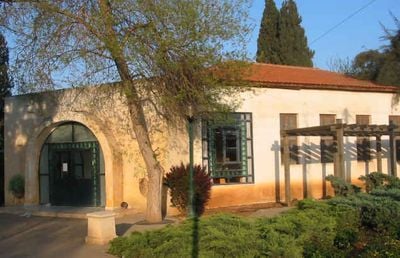
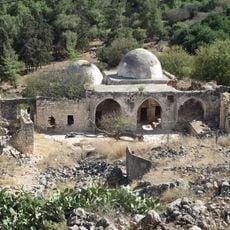
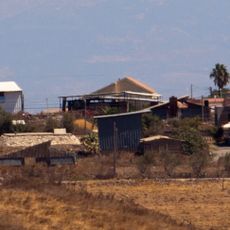
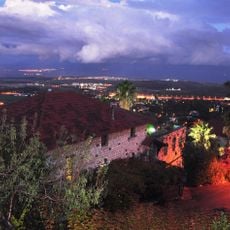
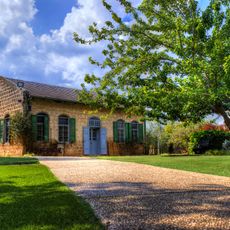
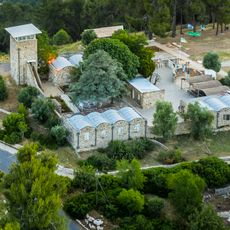
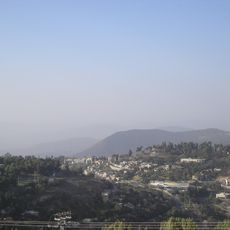
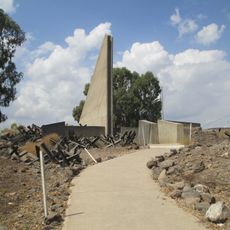
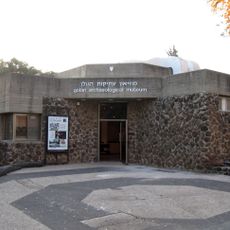
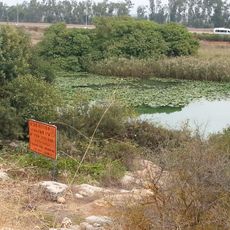
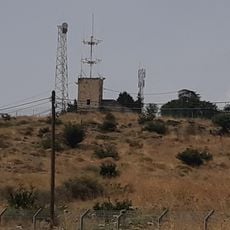
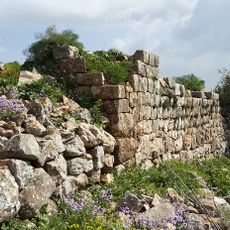
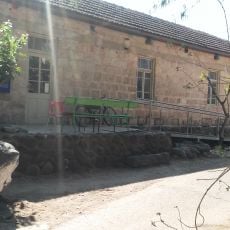
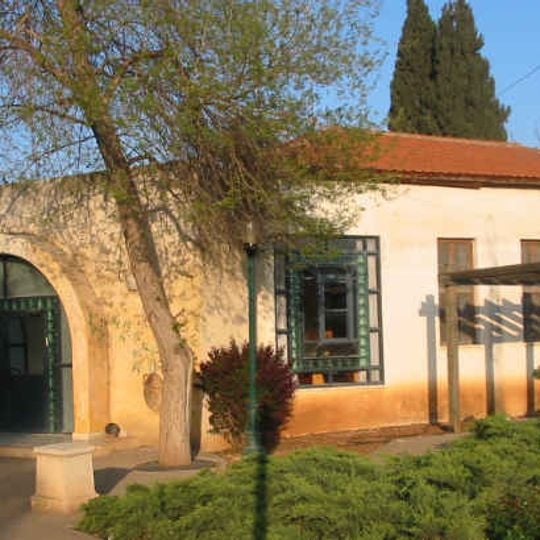
Yesud HaMa'ala is a small settlement in a valley in northern Israel, built mainly on farmland with simple historic buildings. The village was constructed on former swampland and shows through its basic architecture a long history of human habitation.
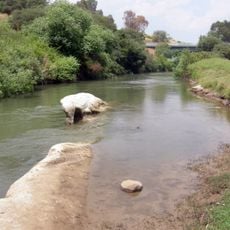
The settlement was founded in the late 1800s by Jewish immigrants fleeing persecution in Russia. During the 20th century, swampland was made habitable through drainage and pest control, allowing the village to develop as a farming community.
The name Yesud HaMa'ala comes from a biblical verse meaning the start of an upward journey. Local families take pride in their history and roots, which is reflected in how the community maintains its simple buildings and traditions.
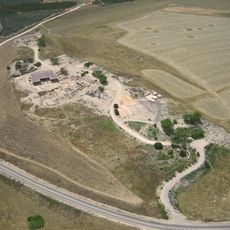
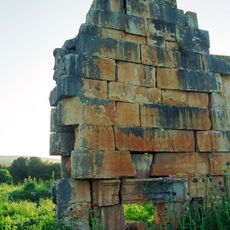
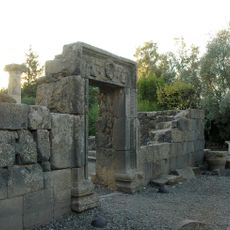
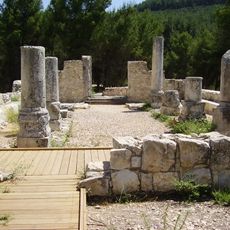
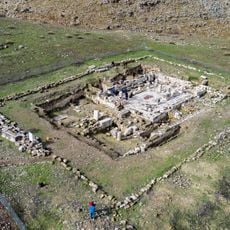
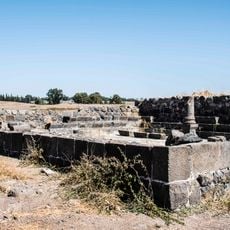
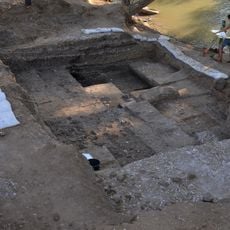
The location is easy to reach either on foot from the nearby Dubrovin Farm or by car, with paved sidewalks available for walking through the fields. Visitors can explore the ruins of the ancient synagogue and a pier along the lakeside.
An inscription on ruins of an ancient 4th-century synagogue reads 'May his memory be for good, all who settle here,' which gave early residents hope and strength. This message inspired settlers to remain despite malaria and harsh conditions, building a thriving community.
The community of curious travelers
AroundUs brings together thousands of curated places, local tips, and hidden gems, enriched daily by 90,815 contributors worldwide.