Biria Fortress, Military fortress in Merom HaGalil, Israel
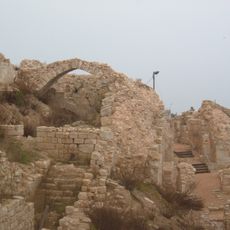
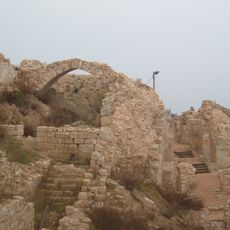
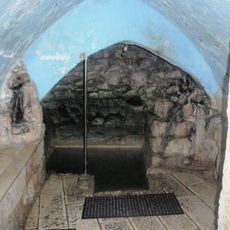
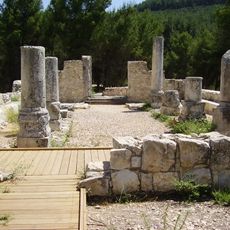
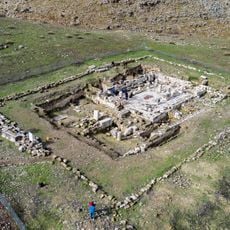
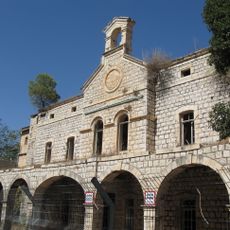
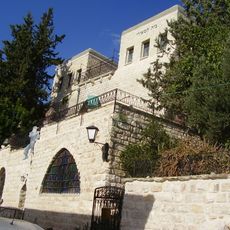
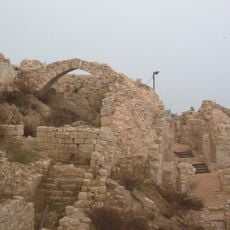
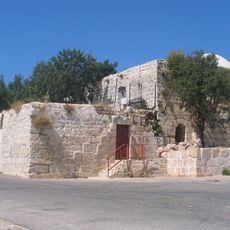
Biria Fortress is a Palmach-built stronghold of local stone on a hill above Birya, with double walls, a vaulted roof fitted with drainpipes and channels that fed a rainwater reservoir, two watchtowers and a lookout. Because iron was scarce, the builders used stone instead of metal. The towers were used to signal the Jewish community in Safed and the Haganah headquarters at Kibbutz Ayelet HaShahar.
Birya Fortress was built by the Palmach in 1946, during the British Mandate, as a base for defending the Jews of Safed and as a way-station for immigrants arriving from Syria. On 28 February 1946 the British raided the site, found an arms cache and arrested all the residents. After mass protests and resettlement attempts the British withdrew; the site was destroyed in the 1948 war and later turned into a museum.
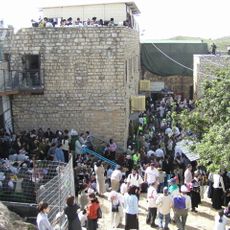
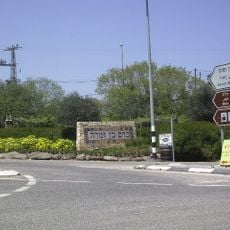
The name Birya comes from the neighbouring Arab village of Biriyya. Every year, youths of the Bnei Akiva movement, which founded the settlement, walk up to the fortress on the Birya March. The site is recognised as a heritage site by the Council for Conservation of Heritage Sites in Israel.
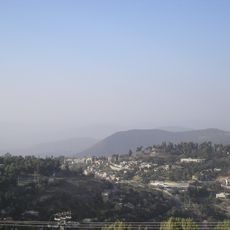
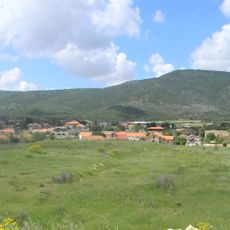
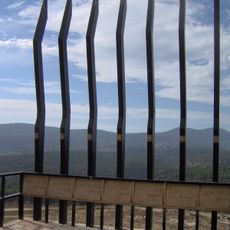
The fortress stands inside Birya Forest, about two kilometres northeast of the modern Birya community, and is reached by road and forest paths. A lookout next to the fortress shows the forest and the areas being replanted after the 2006 Lebanon War fires, and lists the donors who funded the restoration.
Because iron was scarce, the fortress walls were built of stone in a double shell, with a vaulted roof whose drainpipes and channels fed rainwater into a reservoir. Two watchtowers doubled as a signalling link with Safed's Jewish community and the Haganah's Upper Galilee headquarters at Kibbutz Ayelet HaShahar.
The community of curious travelers
AroundUs brings together thousands of curated places, local tips, and hidden gems, enriched daily by 93,114 contributors worldwide.