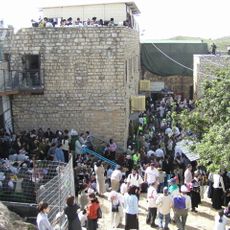
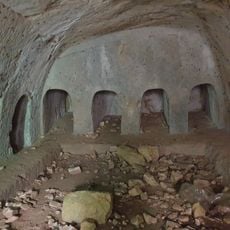
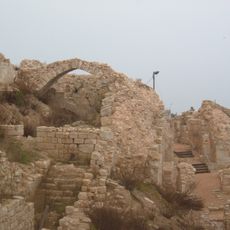
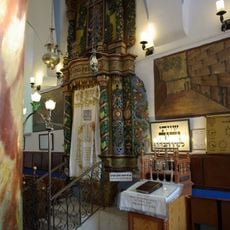
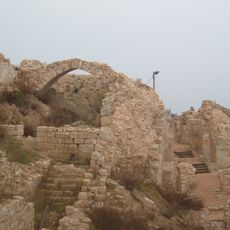
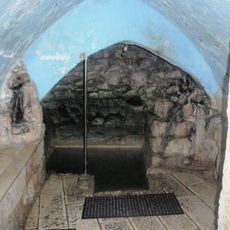
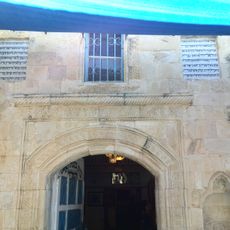
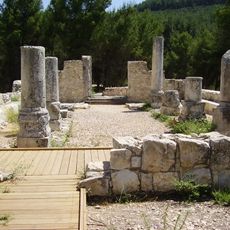
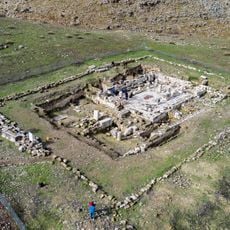
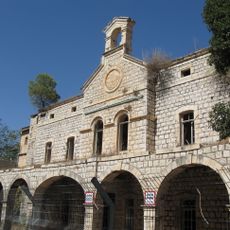
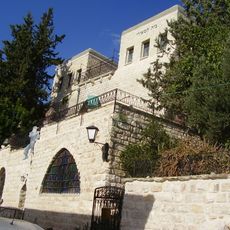
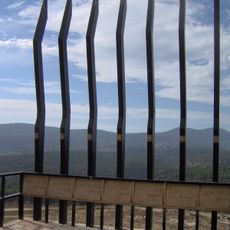
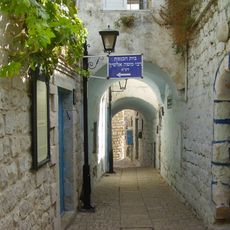
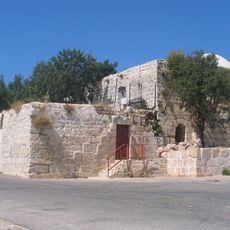
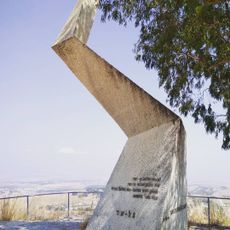
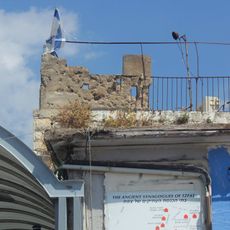
Abuhav synagogue, 16th century synagogue in Safed, Israel.
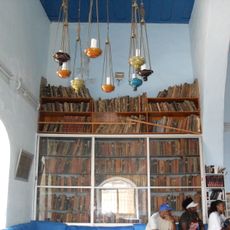
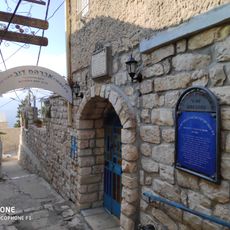
The Abuhav Synagogue stands on Abuhav Lane in Safed's Old City, its design said to follow Kabbalah teachings. Four load-bearing pillars represent fire, wind, water and dust, and the dome has ten windows for the Ten Commandments. Three arks stand in the southern wall facing Jerusalem; the bimah has six steps for the working days and a seventh for Shabbat.
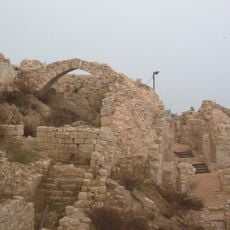
This place of worship was founded in the 16th century and lived through multiple earthquakes in the region. Primarily the southern wall has survived from the original structure after the devastating 1837 earthquake.
The interior displays painted musical instruments from the Jerusalem Temple and symbols representing the twelve tribes of Israel. These decorative elements help visitors connect with Jewish religious traditions and ancient heritage.
The synagogue stands on Abuhav Lane in Safed's Old City, and the southern wall faces Jerusalem. Men should cover their heads; modest dress is expected of all visitors. Winter nights bring residents and guests together for the singing of Bakashot hymns, and the city's chief rabbi, Shmuel Eliyahu, gives the main sermons here, including the Great Sabbath address.
The southern wall's three arks survived the 1837 earthquake intact, a survival local Jews attributed to the holiness of the Abuhav scroll. The synagogue appears on the back of the 200-shekel banknote of the New Shekel's Series B, in use from 1999 until the series was replaced.
The community of curious travelers
AroundUs brings together thousands of curated places, local tips, and hidden gems, enriched daily by 93,346 contributors worldwide.