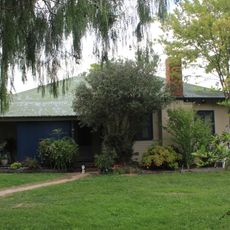
Deasland, Historic homestead in Ginninderra, Australian Capital Territory
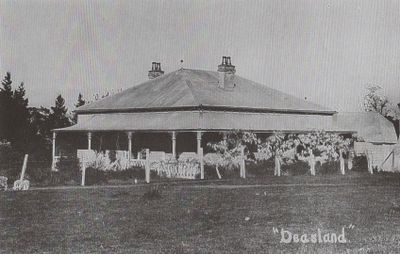
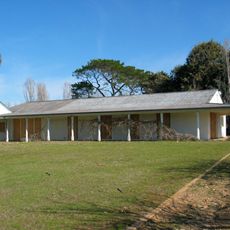
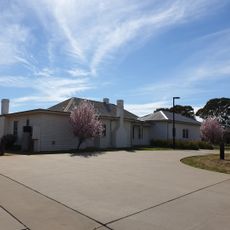
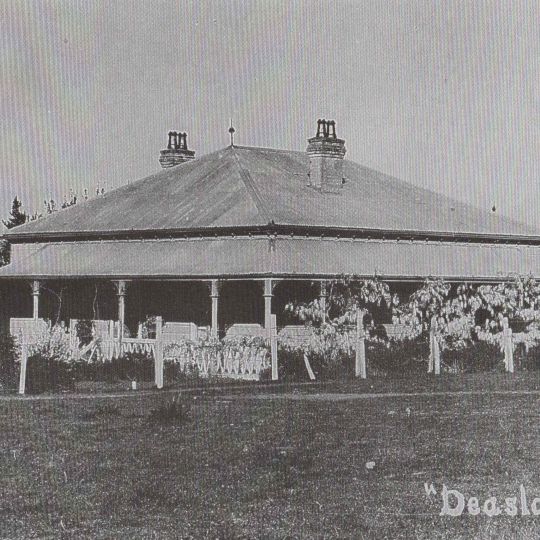
Deasland was a six-room timber house on the property that spread across 685 acres of farmland, featuring verandahs, an iron roof, and a brick dairy building. The structure remained standing until 2022 and marked the northern boundary of Canberra's early development.
George Harcourt commissioned its construction between 1890 and 1893, naming it after a farm in Worcestershire where his parents were married. The estate then stood for nearly 130 years before being removed in the 2020s.
The property served as an important hub for sheep wool production in the region, where national records for wool prices were set during the 1940s and 1950s under Henry Curran's leadership. Its agricultural success made it a recognized example of farming innovation during that era.
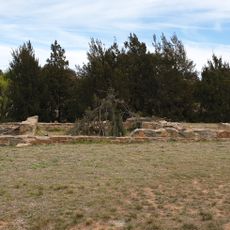
The site was located along the Barton Highway in the northern area of the city's early development and is no longer accessible today. Visitors can learn about the place's history only through local archives and documentation.
The house was an example of how asbestos was used in many buildings from the 1800s and 1900s, which ultimately led to its removal. These circumstances show how heritage structures today can be threatened by modern safety concerns.
The community of curious travelers
AroundUs brings together thousands of curated places, local tips, and hidden gems, enriched daily by 91,844 contributors worldwide.