Württemberg-Hohenzollern, Former German administrative territory in southwestern Baden-Württemberg region, Germany.
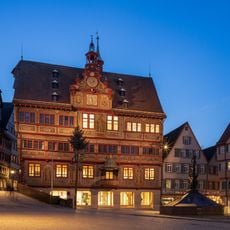
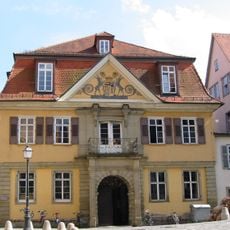
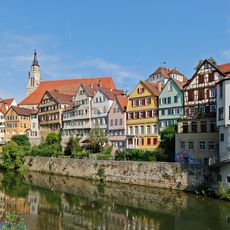
Württemberg-Hohenzollern was an administrative territory in southwestern Germany that stretched across southern Württemberg while incorporating the former Prussian region of Hohenzollern. The territory, with Tübingen as its administrative center, brought together two historically distinct administrative systems under a single jurisdiction.
The French military administration established this territory in 1945 following Germany's defeat in World War II as part of the Allied occupation arrangement. The entity existed for only seven years before dissolving into a larger state structure in 1952.
The territory maintained the governmental structure and constitutional framework of the preceding Württemberg state while incorporating elements from the Prussian administration of Hohenzollern.
The former territory stretched between the Karlsruhe-Munich Autobahn corridor to the north and the Swabian Alps to the south and is now divided among several modern districts. Visitors can explore the region by car or public transport, following routes that connect significant towns and cultural sites.
A public vote in 1951 determined the territory's future and resulted in merger with neighboring regions. This democratic decision by citizens directly shaped the creation of the modern state.
The community of curious travelers
AroundUs brings together thousands of curated places, local tips, and hidden gems, enriched daily by 91,963 contributors worldwide.