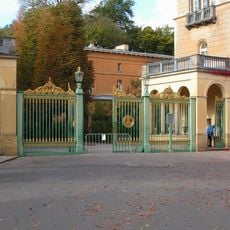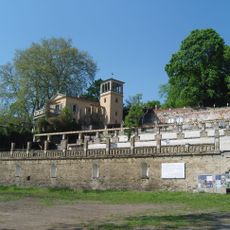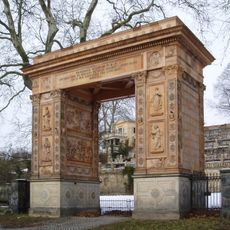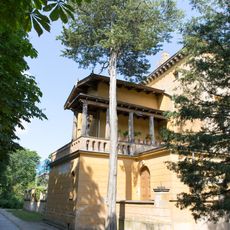
Neptune Grotto, Baroque grotto in Sanssouci Park, Germany
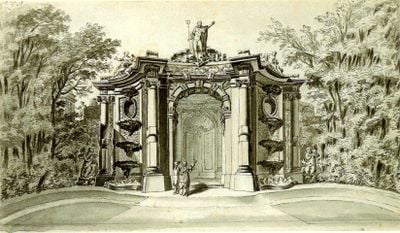
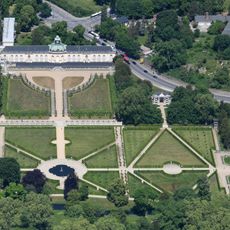
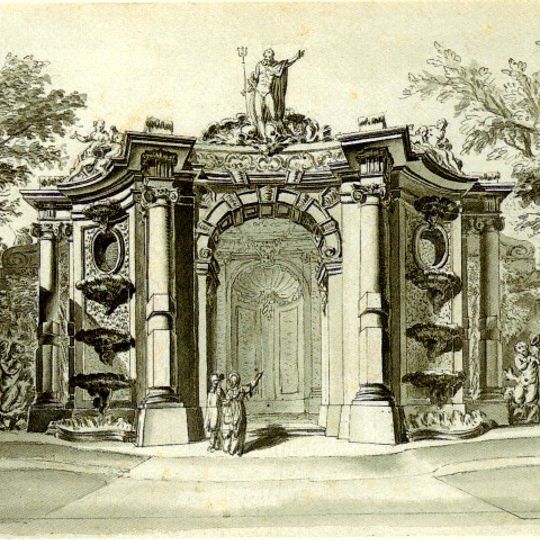
The Neptune Grotto is a stone structure with an ornate portal in Sanssouci Park in Potsdam, built to resemble a sea cave. Its interior is lined with real shells, crystals, and reed flowers, forming an artificial cave decorated with natural materials.
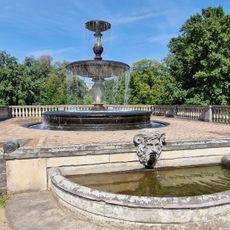
The grotto was designed in 1757 by Georg Wenzeslaus von Knobelsdorff as part of Frederick the Great's expansion of Sanssouci Park. The water features originally planned for the site did not work until the 19th century, when a steam pump made by the Borsig company was finally installed.
The name refers to the Roman god of the sea, who was often seen as a symbol of wealth and power in Baroque garden design. Inside, visitors can spot real shells, crystals, and reed flowers set into the walls, arranged to suggest treasures brought up from the ocean floor.
The grotto sits on a slope in Sanssouci Park and is easy to reach on foot along the park paths. Inside, the walls stay damp because water seeps through the decorated stone, so sturdy footwear is a good idea.
Each of the entrance pillars features four shell-shaped marble basins arranged vertically in a perfectly symmetrical pattern. This kind of handcrafted detail is rarely found in this form in Baroque garden architecture.
The community of curious travelers
AroundUs brings together thousands of curated places, local tips, and hidden gems, enriched daily by 90,815 contributors worldwide.