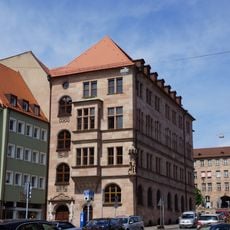
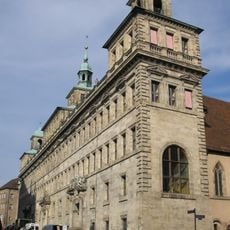
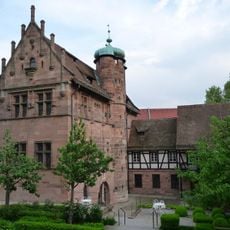
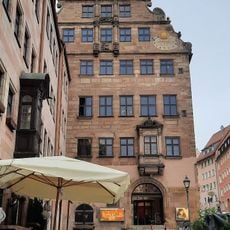
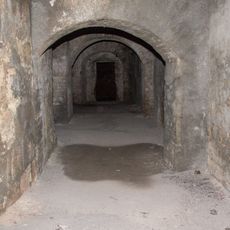
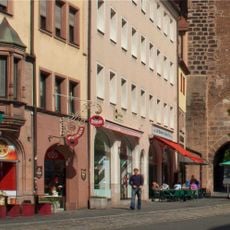
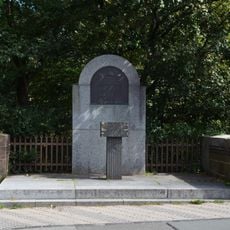
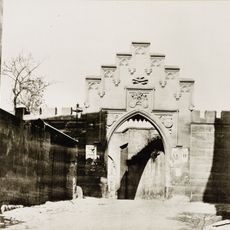
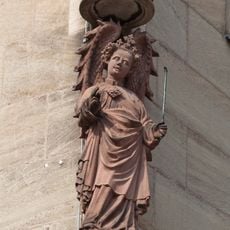
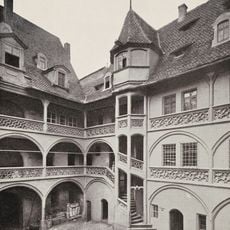
Kloster St. Egidien. Nuremberg, R.F.A., Benedictine monastery in central Nuremberg, Germany.
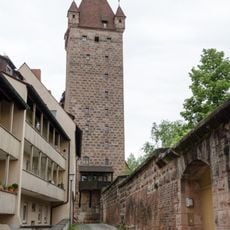
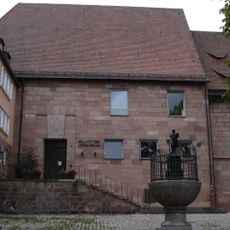
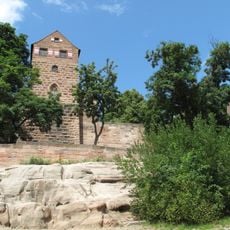
Kloster St. Egidien is a Benedictine monastery in central Nuremberg with baroque architecture and distinctive structural features. The building has three aisles, a solid bell tower with six bells, and an impressive organ with three manuals and 43 stops.
The building was founded between 1120 and 1130 as a royal church and received abbey status in 1140 under Emperor Conrad III. After a fire in 1696, it was reconstructed in baroque style and shaped the city's appearance for centuries afterward.
The monastery served as a center for music and religious life in the city for centuries. The monks cultivated a strong musical tradition that continues to resonate in concerts and services held there today.
The building sustained severe damage during World War II air raids and underwent thorough renovation between 1946 and 1959. Visitors should know that much of what they see today comes from this post-war reconstruction effort.
The monastery's organ was built by the renowned Rieger organ company and stands as one of the city's most notable instruments. The instrument with its 43 stops contributes significantly to the sound of religious music at this location.
The community of curious travelers
AroundUs brings together thousands of curated places, local tips, and hidden gems, enriched daily by 91,232 contributors worldwide.