Berlin Adorant, Ancient bronze statue in Altes Museum, Germany
The Berlin Adorant is a 128-centimeter-tall bronze figure depicting a naked young man standing with his arms raised upward. The sculpture resides in the permanent collection of the Altes Museum, where it is displayed as an important example of Hellenistic craftsmanship.
The statue originally comes from Rhodes Island and was discovered in the late 1400s during construction work on the city wall. After arriving in Venice and receiving replacement limbs there, the figure eventually reached Berlin and was returned to the museum in 1958.
The figure displays the hallmark of Hellenistic sculpture, visible in the natural body posture and the expressive face of the young man. The raised arms suggest a gesture of worship or prayer, reflecting the religious meaning behind the work.
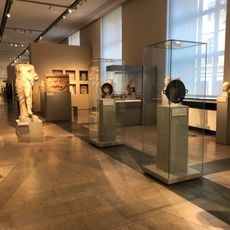
The work is on display in the museum's permanent exhibition and can be viewed without special arrangements. Visitors should allow enough time to examine the fine details of the bronze figure from different angles.
The arms visible on the figure today were created and added in the 17th century under the direction of Nicolas Fouquet, the French finance minister. This restoration represents an interesting example of how artworks were completed during the early modern period.
The community of curious travelers
AroundUs brings together thousands of curated places, local tips, and hidden gems, enriched daily by 90,763 contributors worldwide.