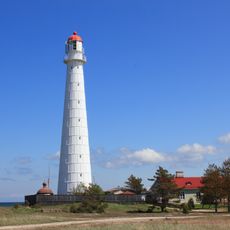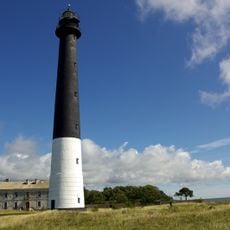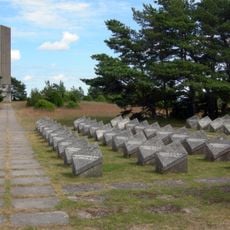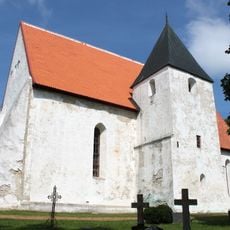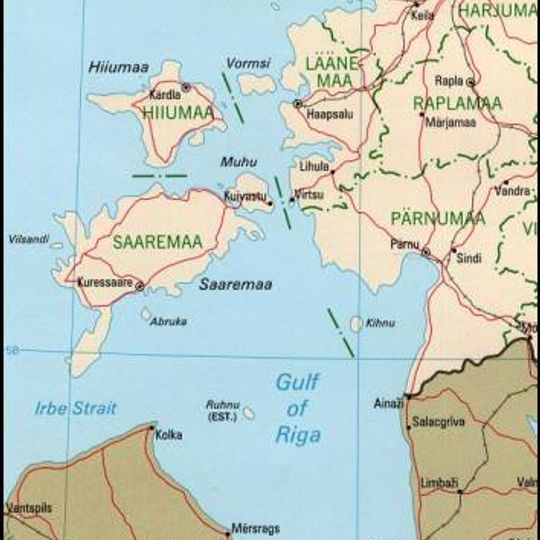
West Estonian archipelago, Archipelago in Baltic Sea, Estonia
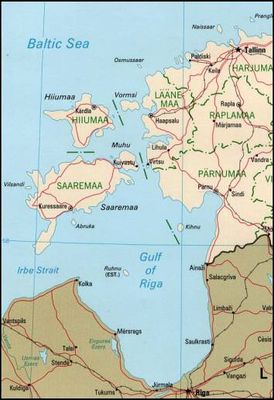
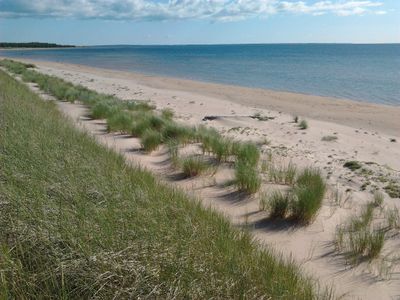
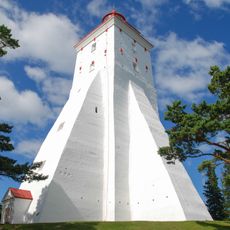
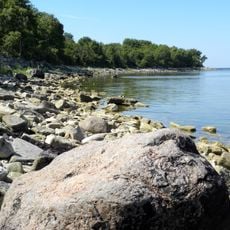
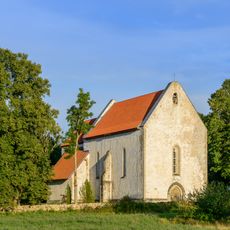
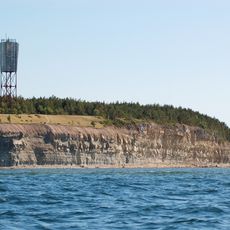
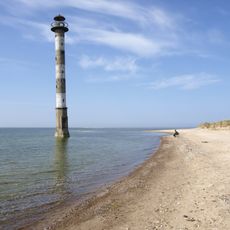
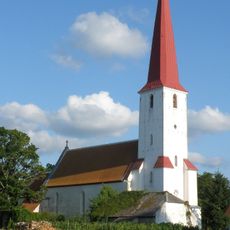
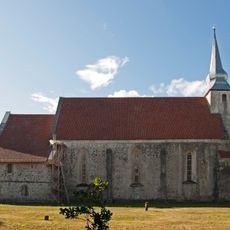
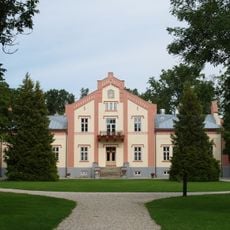
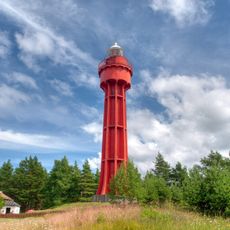
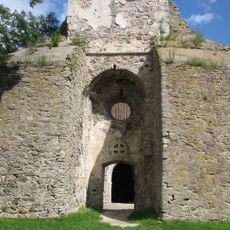
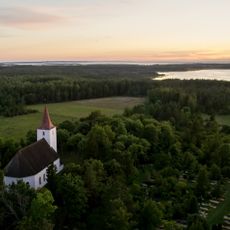
The West Estonian archipelago is an island group along Estonia's western coast, with over 1,500 islands and islets of varying sizes. The landscape features coastal meadows, sandy beaches, forests, and wetlands that create different habitats throughout the region.
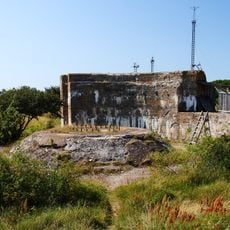
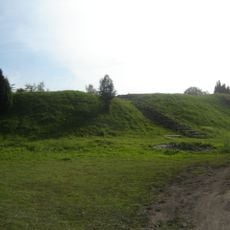
The area has been inhabited since ancient times, with archaeological evidence stretching back several thousand years. The islands became important trading centers during the Viking Age, connecting various maritime routes.
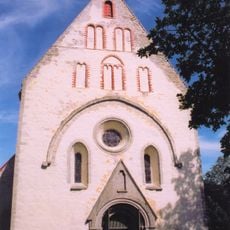
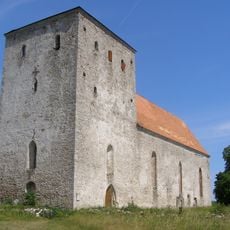
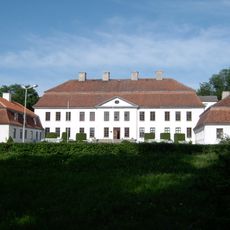
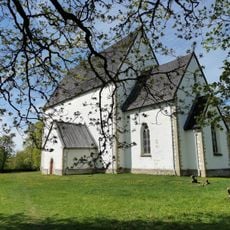
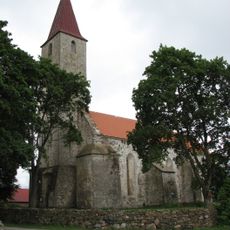
The islands preserve traditional fishing practices that blend Swedish and Estonian customs visible in the homes and daily life of residents. This mix appears in the building styles and how communities organize their day-to-day activities.
Ferry services connect the main islands of Saaremaa, Hiiumaa, Muhu, and Vormsi regularly to mainland Estonia throughout the year in all seasons. Visit from late spring through early autumn for the most pleasant weather and the easiest ferry access.
The islands are designated as a UNESCO Biosphere Reserve encompassing nearly 900 smaller islands and protecting rare bird species and specialized marine life. The varied coastal zones create distinct habitats that support species found nowhere else in the region.
The community of curious travelers
AroundUs brings together thousands of curated places, local tips, and hidden gems, enriched daily by 90,901 contributors worldwide.