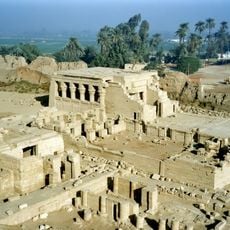
Nag Hammadi, Industrial center in Qena Governorate, Egypt
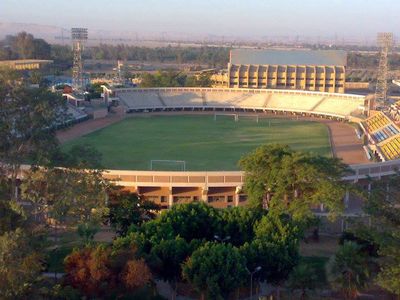
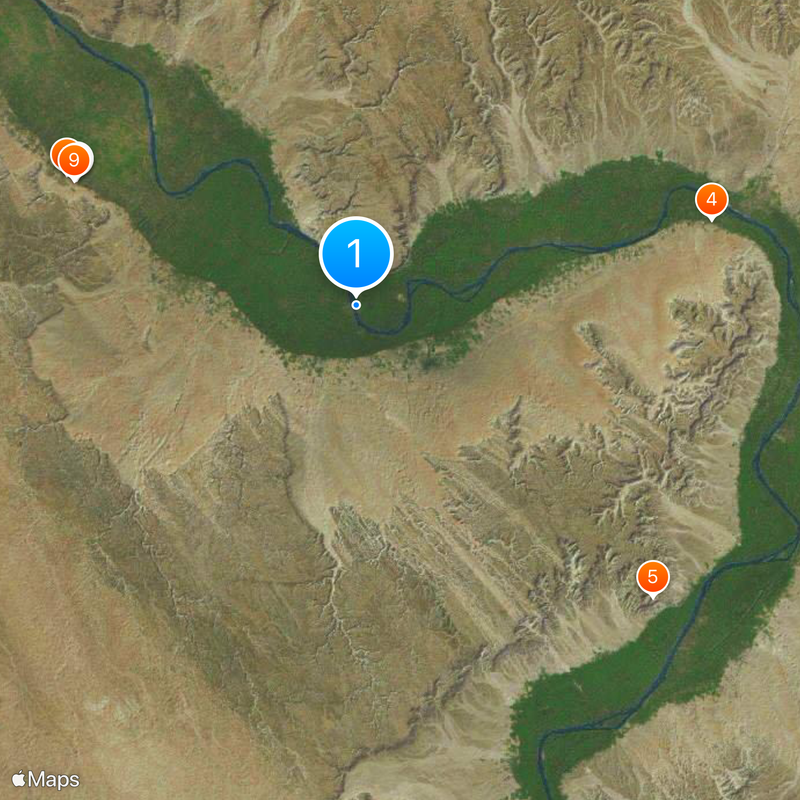
Nag Hammadi is an industrial city in Qena Governorate that stretches along the western bank of the Nile River. It sits at a strategic position on the Cairo-Aswan railway route, which connects both riverbanks by means of a swing bridge.
The city was founded in the 19th century by Mahmoud Pasha Hammadi, replacing the older villages of Ansan and al-Luaqi. Its growth became tied to the development of the railway connection, which opened the region economically.
The name comes from Mahmoud Pasha Hammadi, the official who established the settlement in the 19th century and shaped the region. Visitors can see Prince Youssef Kamal's palace, an architectural landmark that overlooks the Nile River.
Visitors use this as a good base for exploring sites along the Nile, with several museums and historical locations nearby. Arriving by train is convenient, and there are good access points to both riverbanks through the local bridge infrastructure.
In 1945, thirteen ancient leather codices containing early Christian and Gnostic texts were discovered nearby, offering insights into ancient religions. These manuscripts remain important for understanding religious ideas that existed outside mainstream churches.
The community of curious travelers
AroundUs brings together thousands of curated places, local tips, and hidden gems, enriched daily by 90,757 contributors worldwide.