Curse of the pharaohs, Ancient superstition in Valley of the Kings, Egypt
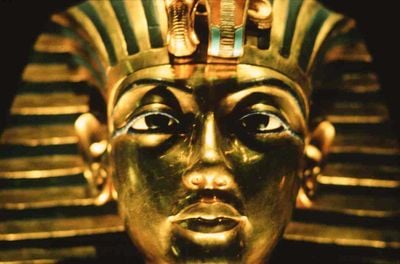
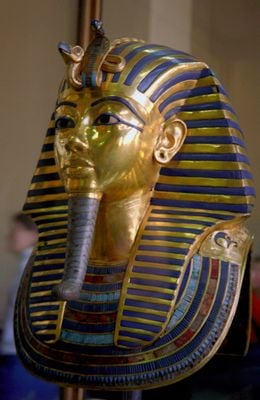
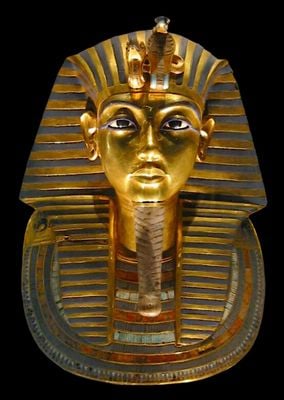
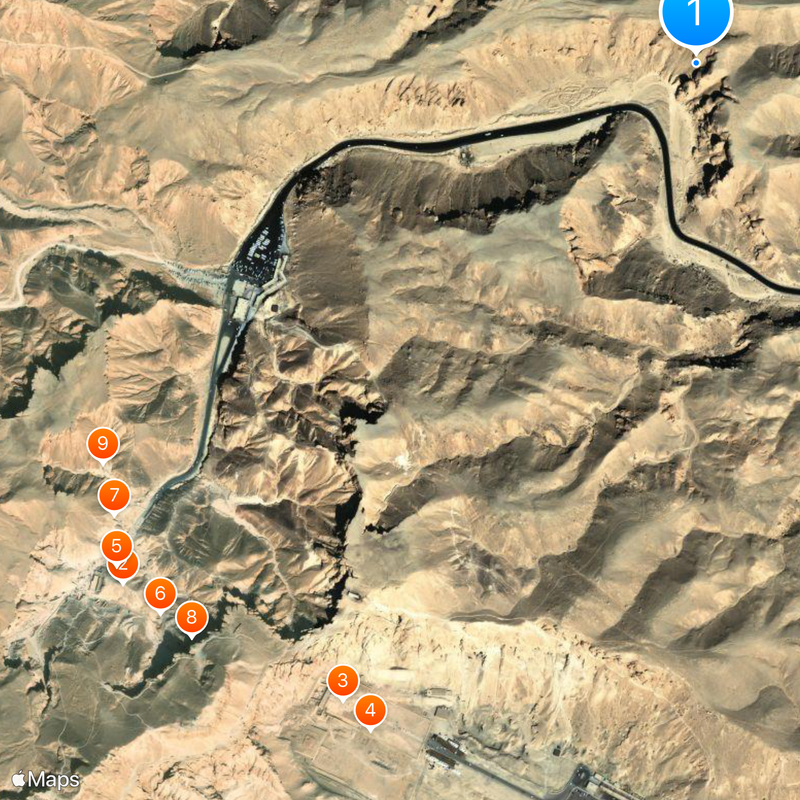
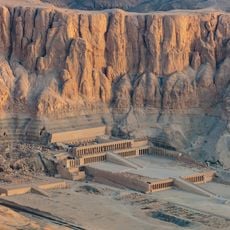
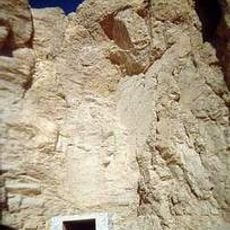
The Curse of the Pharaohs is a superstition in the Valley of the Kings in Egypt that claims supernatural forces punish those who open royal tombs. Warnings on tomb walls promise divine retribution for anyone who disturbs the rest of the dead and meddles with burial goods.
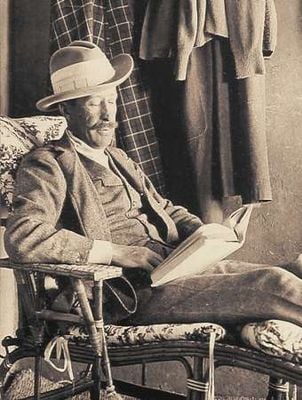
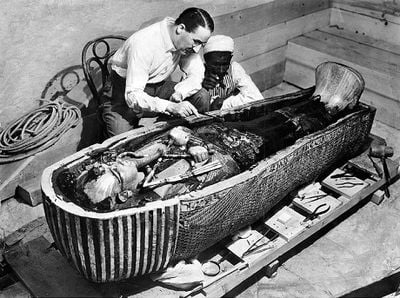
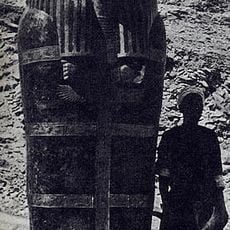
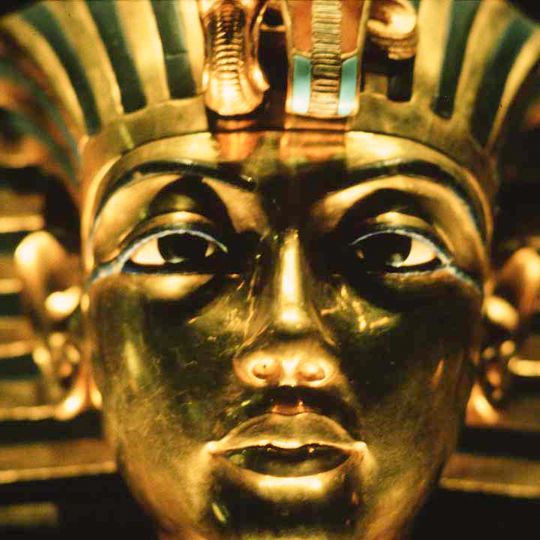
Lord Carnarvon died in 1923 shortly after the discovery of Tutankhamun's tomb, triggering worldwide reports about a supposed curse from ancient Egypt. Further deaths in the following years reinforced the myth, although many expedition members lived long lives without misfortune.
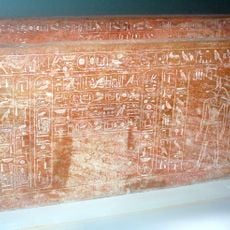
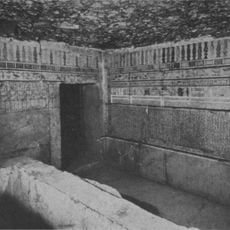
Protective inscriptions and amulets placed inside burial chambers served to guard the deceased on their journey and warn intruders to stay away. These magical formulas reflect the deep belief that disturbing a tomb would trigger divine retribution.
Scientists point out that mold spores and bacteria in sealed tombs can cause health issues once interpreted as supernatural. Taking care when entering old closed spaces can help avoid real health risks.
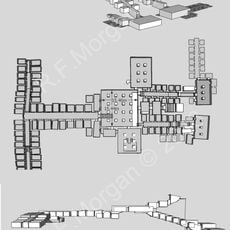
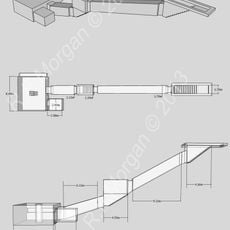
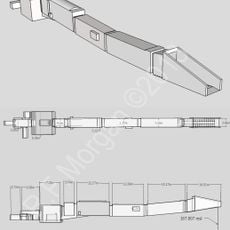
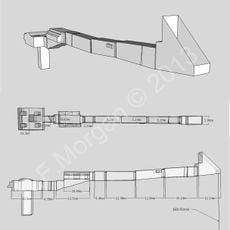
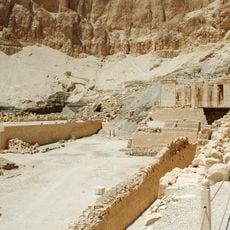
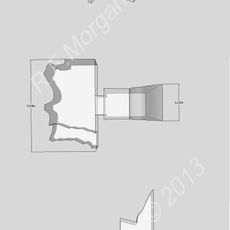
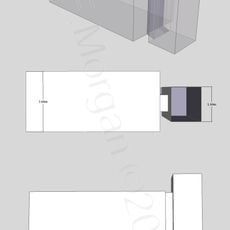
The tomb of Khentika Ikhekhi contains specific written threats promising divine judgment for anyone who violates the burial site. These direct warnings show that fear of tomb robbery was countered with deliberate intimidation thousands of years ago.
The community of curious travelers
AroundUs brings together thousands of curated places, local tips, and hidden gems, enriched daily by 91,431 contributors worldwide.