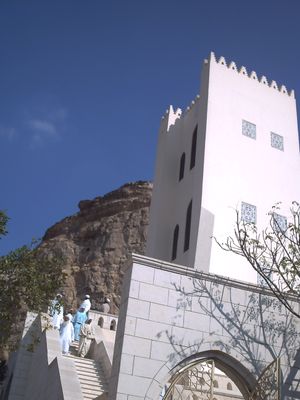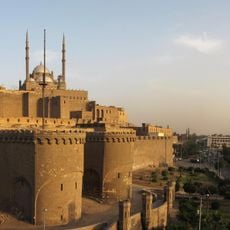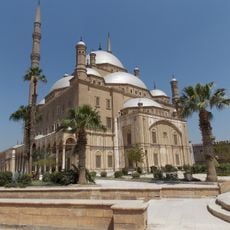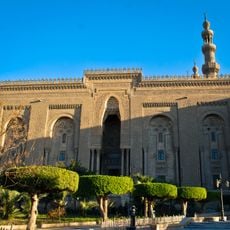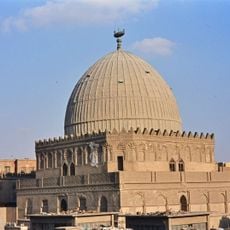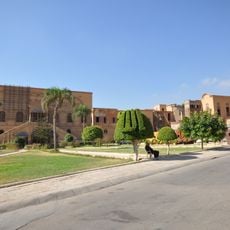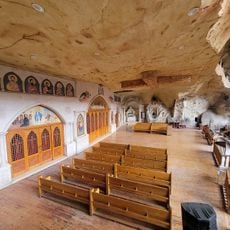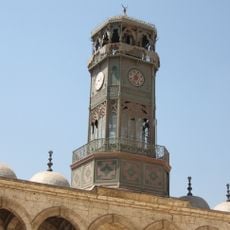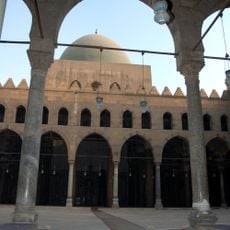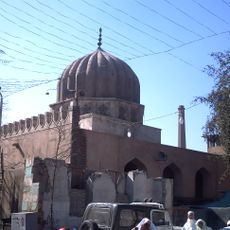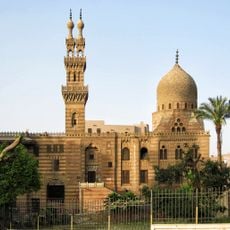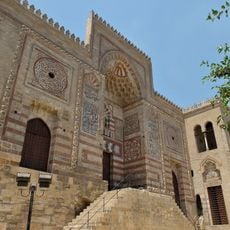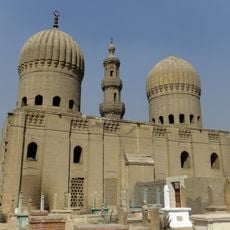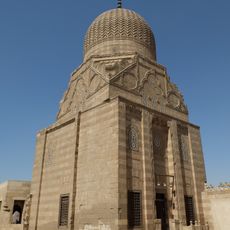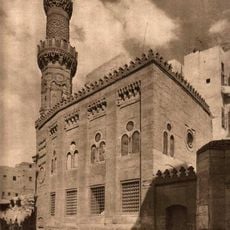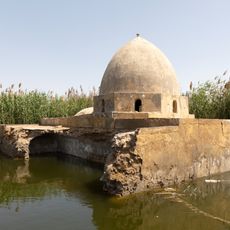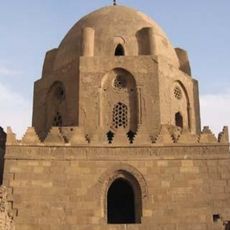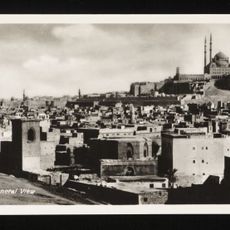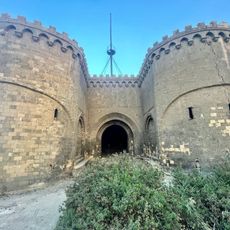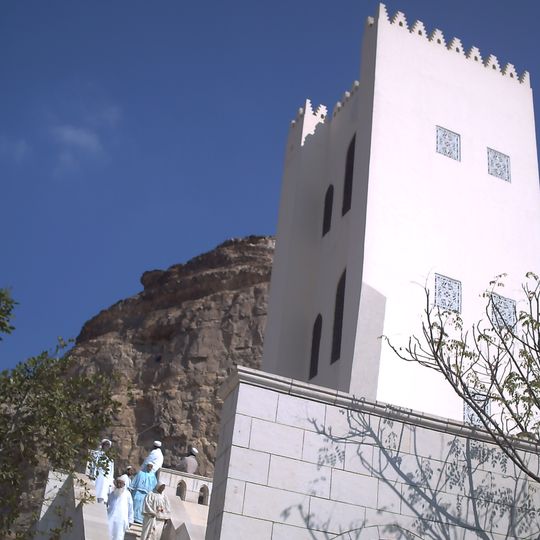
Lulua Mosque, Fatimid mosque on Muqattam hills, Cairo, Egypt
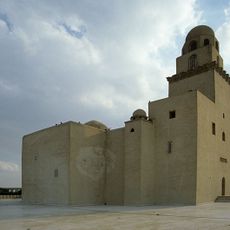
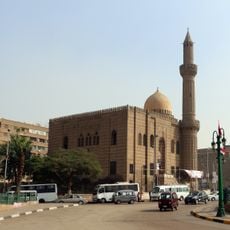
The Lulua Mosque is a three-story rectangular structure with multiple prayer niches and barrel-vaulted ceilings made of limestone quarried from nearby sites. The different rooms were built using local materials and demonstrate the craftsmanship of the Fatimid period.
Caliph Al-Hakim bi-Amr Allah commissioned this house of worship in 1015 during the height of Fatimid rule. The mosque survived for centuries but fell into critical condition by 1919, only to be thoroughly renewed at the end of the 1900s.
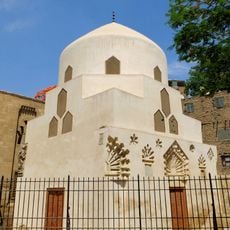
The name al-Lu'lu'a means pearl in Arabic, referring to the care taken in crafting this building. Visitors can still observe the fine details of the exterior that match this namesake.
The site sits on a hilltop and requires some climbing, so wear comfortable shoes for your visit. The best time to come is during cooler morning hours when the area is less crowded.
The building features multiple prayer direction niches at different angles, an unusual design choice showing how early builders addressed varying religious needs. This arrangement allowed flexibility in how the space served different prayer practices.
The community of curious travelers
AroundUs brings together thousands of curated places, local tips, and hidden gems, enriched daily by 91,668 contributors worldwide.