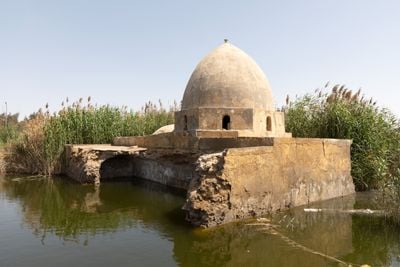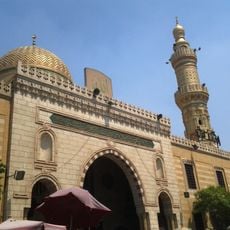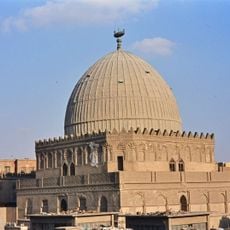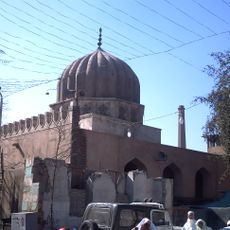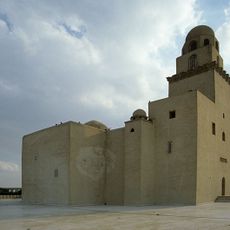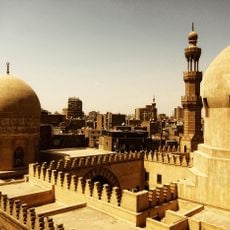
Mausoleum of the family of Tabataba, Historic mausoleum in Fustat, Egypt.
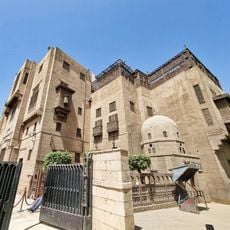
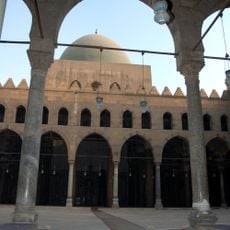
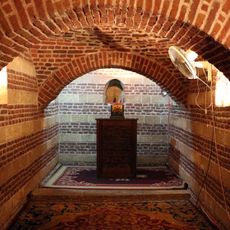
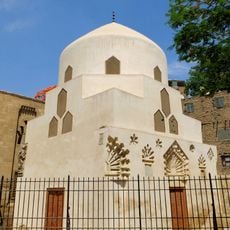
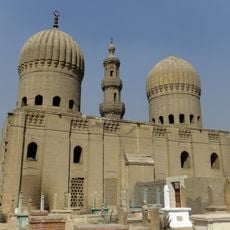
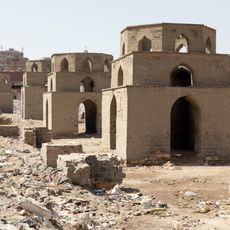
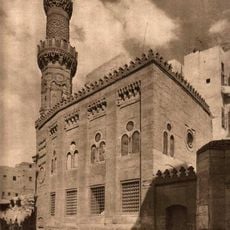
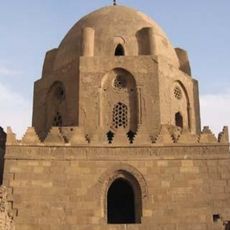
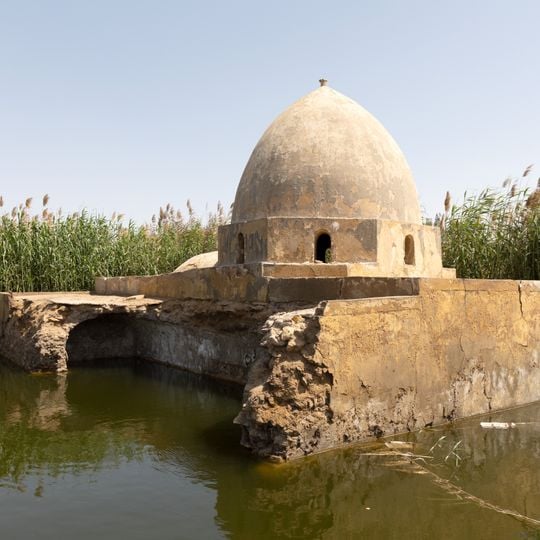
The Mausoleum of the family of Tabataba is a 10th-century burial building with six chambers. It features three surviving domes and interior pillars that blend Islamic architecture with Egyptian design elements.
The structure was built in 945 during the Ikhshidid period and commissioned by Muhammad ibn Tughj al-Ikhshid. It served as the burial place for Sharif Tabataba al-Asghar and his family.
The mausoleum shows how wealthy families honored their dead in the 10th century and reflects Islamic burial practices. The way the chambers are arranged reveals much about the family who was buried here.
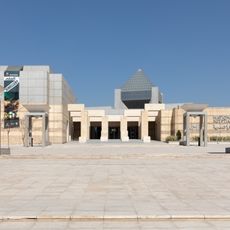
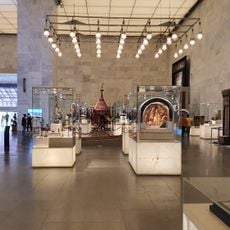
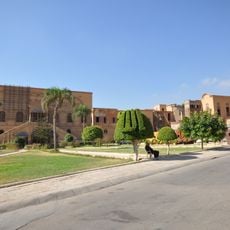
The structure was relocated in 2022 to the grounds of the National Museum of Egyptian Civilization for protection from water damage. Visitors should head to the museum to view it in its new location.
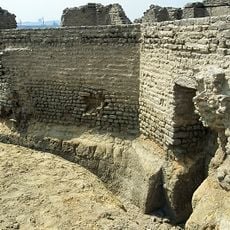
During the relocation, workers discovered previously unknown ancient tombstones beneath the building that provided new information about the site. These finds significantly expanded understanding of how the place was used over time.
The community of curious travelers
AroundUs brings together thousands of curated places, local tips, and hidden gems, enriched daily by 92,869 contributors worldwide.