Muizz Street, Medieval commercial street in Islamic Cairo, Egypt
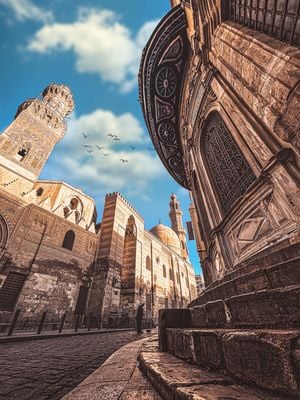
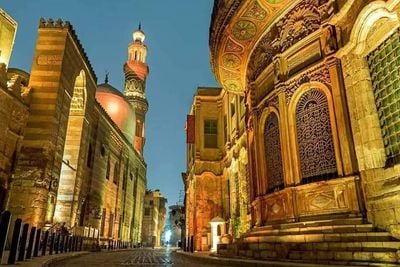
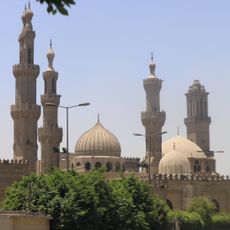
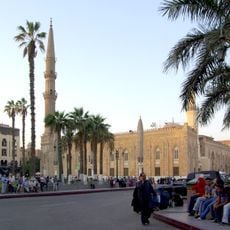
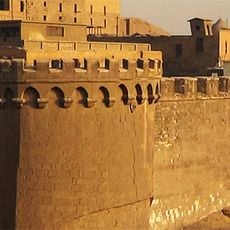
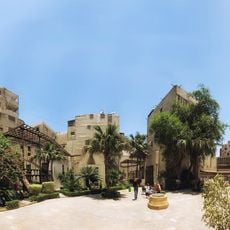
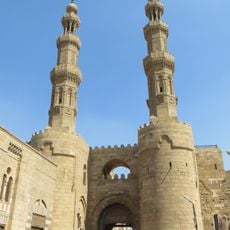
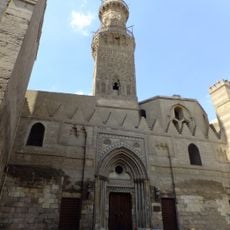
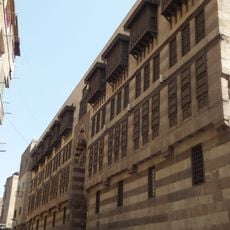
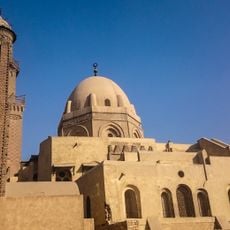
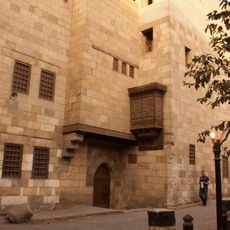
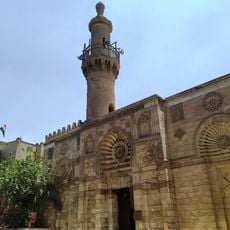
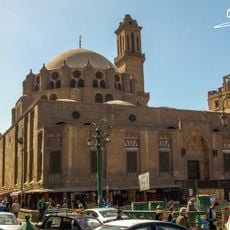
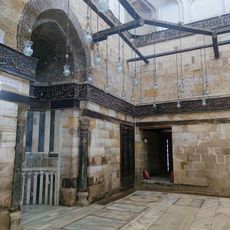
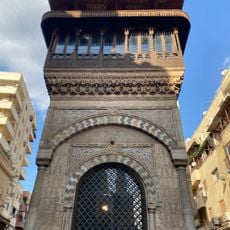
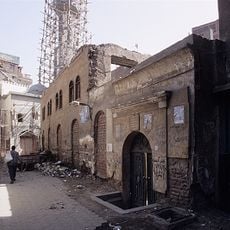
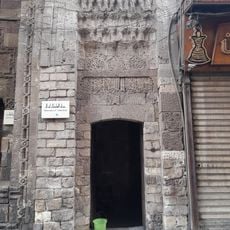
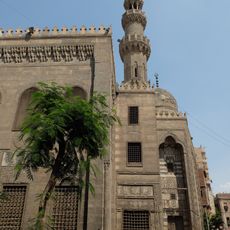
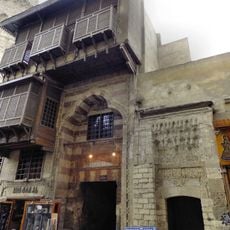
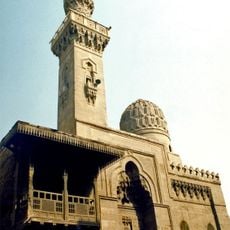
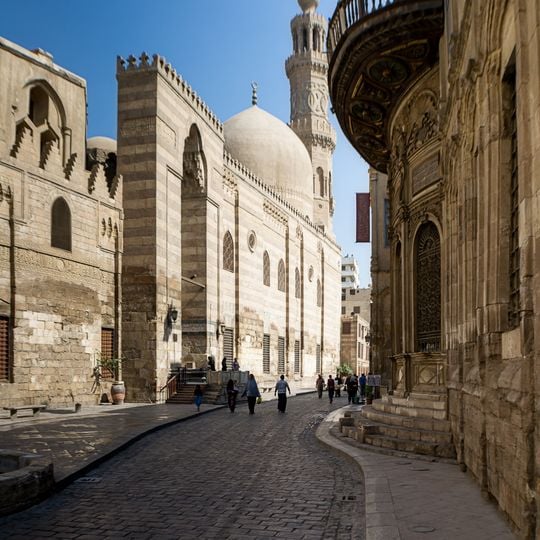
Muizz Street runs about one kilometer from Bab al-Futuh in the north to Bab Zuweila in the south, between the 11th-century stone walls of Badr al-Jamali. Its name honors the Fatimid caliph al-Mu'izz li-Din Allah. The street passes beneath a pale dome and a tiered minaret; on one side, a long wall of alternating light and reddish-brown stone has a tall recessed arch, and a projecting wooden balcony overhangs a carved stone facade.
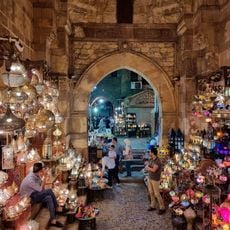
Jawhar al-Siqilli laid out the street in 970 when he founded al-Qahira for the Fatimids, linking the northern and southern gates and passing between the two palaces at Bayn al-Qasrayn. After Saladin ended the Fatimid regime in 1171 the city opened to commoners, and the avenue became a commercial street lined with souqs. Ayyubid and Mamluk sultans replaced Fatimid buildings with mosques, madrasas and mausoleums, and construction continued under Muhammad Ali in the 19th century.
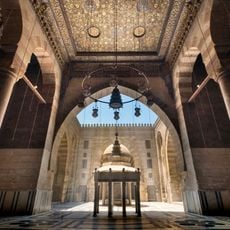
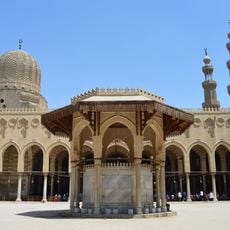
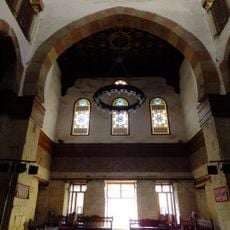
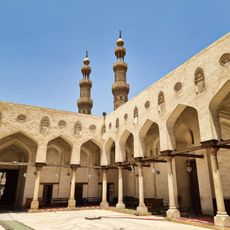
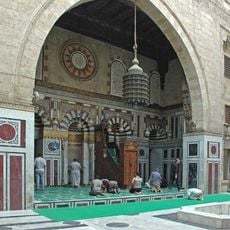
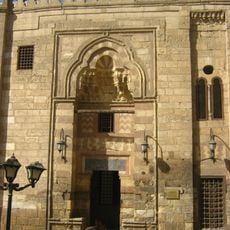
The street holds numerous religious buildings like mosques, schools, and mausoleums that show architectural styles from different Islamic periods. These structures shape how the space looks and reveal how people expressed their beliefs through construction over centuries.
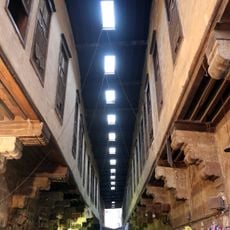
Since 1997 the street has been repaved and given new drainage and lighting, and it is pedestrian-only from 8 a.m. to 11 p.m., with traffic allowed at night. Al-Azhar Street cuts across the route, so plan how to cross it between the northern and southern halves.
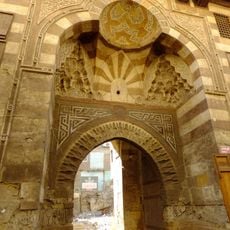
Many visitors overlook the craft details on facades like wooden balconies and carved stone patterns that reveal different building eras. These architectural elements tell more about the daily living standard of past residents than whole museums could.
The community of curious travelers
AroundUs brings together thousands of curated places, local tips, and hidden gems, enriched daily by 93,562 contributors worldwide.