Abdah, Archaeological site in Southern District, Israel
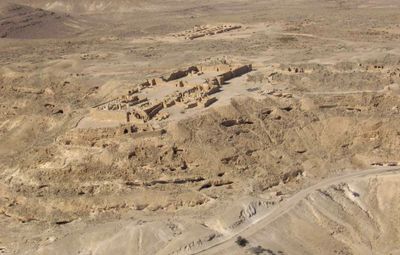
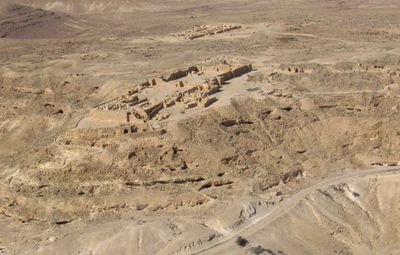
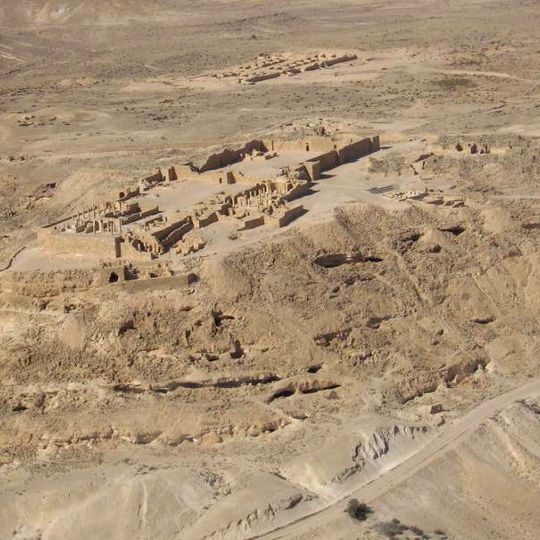
Abdah preserves the remains of a Nabataean city that served as a caravan station along the Incense Route, featuring temples, churches, fortifications, and water management systems adapted to the desert environment.
Founded in the 3rd century BCE as a seasonal camping ground for Nabataean caravans, Abdah was renamed to honor King Obodas I and remained inhabited through Roman and Byzantine periods until an earthquake destroyed it around 630 CE.
The site reflects the religious transition from Nabataean polytheism to Christianity, evidenced by the Temple of Oboda dedicated to the deified king and several Byzantine basilicas with Greek inscriptions and marble tombstones from the 4th to 7th centuries.
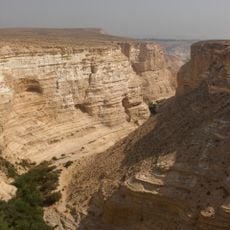
Located in the Negev desert, Abdah is part of the UNESCO-designated Incense Route sites and offers guided tours where visitors can explore ruins of ancient structures while respecting preservation guidelines to protect the archaeological remains.
Abdah demonstrates ancient desert agriculture through terraced farms and wine presses that utilized sophisticated water channels and cisterns to capture rainfall, enabling the Nabataean and Byzantine inhabitants to cultivate crops in the hyper-arid Negev environment.
The community of curious travelers
AroundUs brings together thousands of curated places, local tips, and hidden gems, enriched daily by 91,359 contributors worldwide.