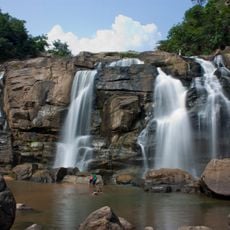
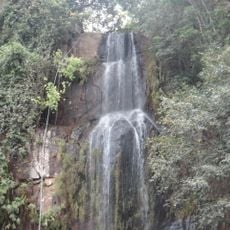
Hazaribagh jheel, Artificial lake system in Hazaribagh, India.
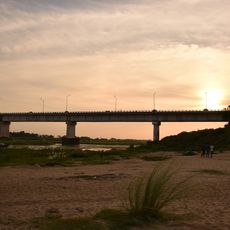
Hazaribagh jheel comprises seven artificial lakes arranged at different elevations and connected through spillway channels. Water flows from one lake to the next in a cascading system that maximizes storage and distribution across the area.
Construction began in 1831 when British authorities developed the area while establishing a central jail, creating four large craters that gradually filled with water. Additional lakes were added over time, expanding the system to the seven interconnected lakes that exist today.
The lakes serve as a gathering place where local residents come to spend time and enjoy outdoor activities together. This water system remains essential to daily life and the wellbeing of the Hazaribagh community today.
The third lake offers boating options for visitors who want to experience the water from a different perspective. The location is easy to reach from the railway station and main government offices in the district.
The spillway design is a remarkable engineering solution where each lake overflows at calculated moments and diverts water directly to the next. This thoughtful system demonstrates how 19th century engineering managed water distribution without modern technology.
The community of curious travelers
AroundUs brings together thousands of curated places, local tips, and hidden gems, enriched daily by 91,115 contributors worldwide.