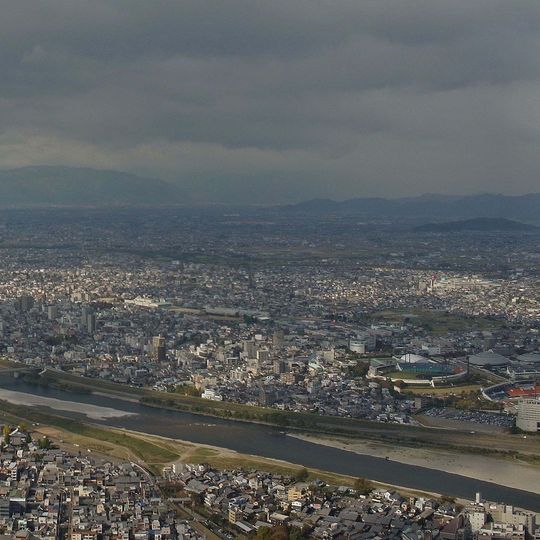
Tōkai region, Administrative region in central Honshu, Japan
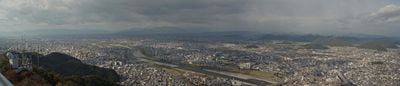
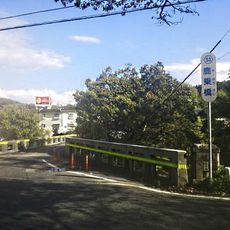
Tōkai is a stretch along the central Pacific coast of Honshu covering four prefectures, with a mix of industrial zones, mountain ranges, and coastal strips. Nagoya forms the urban center, while rural areas with rice fields, fishing ports, and forested uplands create a varied landscape across the territory.
During the Edo period, the main connection route between the capital and Kyoto passed through this area, bringing economic importance to merchants and travelers. After the 19th century, heavy industry grew rapidly, and railway lines replaced the old roads as the main transport arteries.
In Nagoya and surrounding towns, workshops still produce special ceramics using firing techniques passed down for centuries. Restaurants along the coast serve freshly caught fish, and in some areas you can see tea plantations covering hillsides that contribute to the local food culture.
Visitors traveling around this area will find multilingual signs and service counters at larger train stations, which help with orientation. Outside peak season, trains and roads are less crowded, giving travelers more freedom of movement.
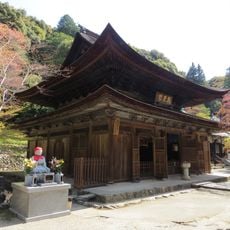
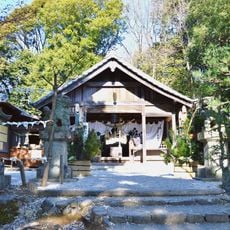
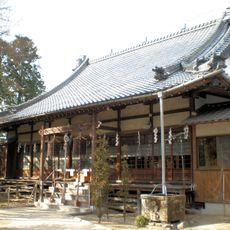
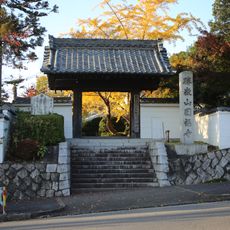
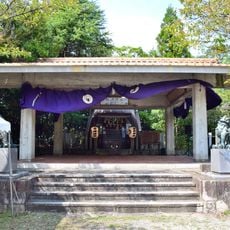
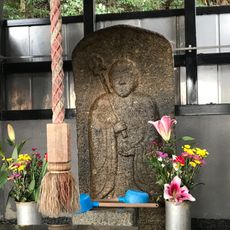
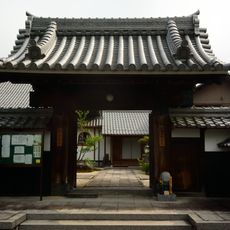
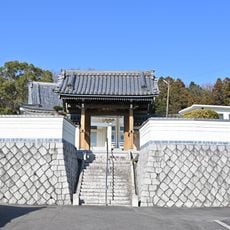
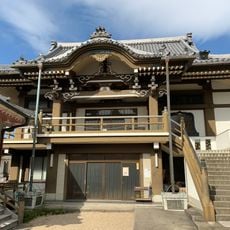
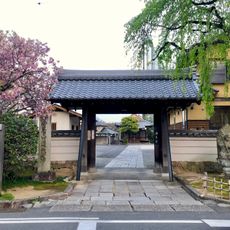
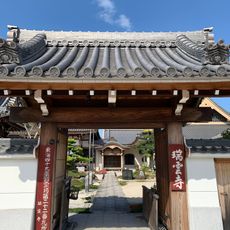
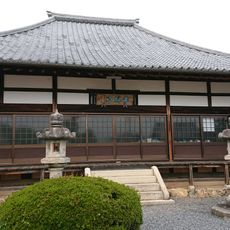
In some coastal areas, you can watch fishermen still using traditional nets attached to wooden poles that rise and fall with the tide. Some smaller temples along old pilgrimage routes sit away from main roads and receive only a handful of visitors each day.
The community of curious travelers
AroundUs brings together thousands of curated places, local tips, and hidden gems, enriched daily by 92,850 contributors worldwide.