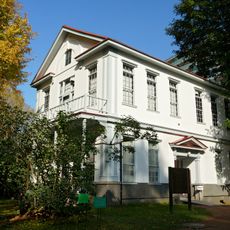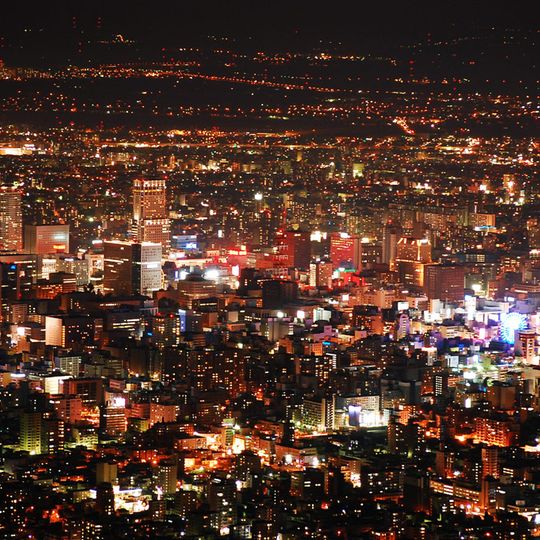
Sapporo metropolitan area, Metropolitan area in northern Hokkaido, Japan
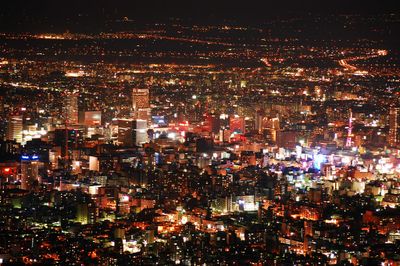
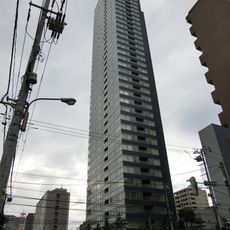
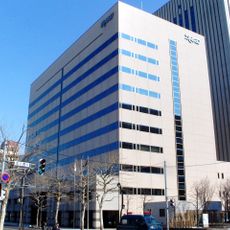
The Sapporo metropolitan area is a large urban region spanning multiple municipalities across southwestern Hokkaido, where about 2.5 million people live. The zone mixes residential neighborhoods, agricultural land, and industrial areas that together form an important economic center.
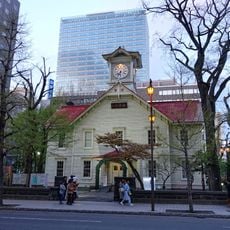
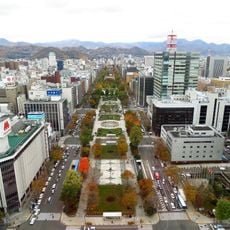
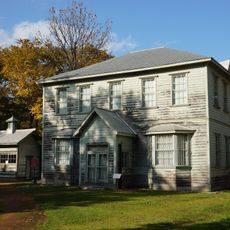
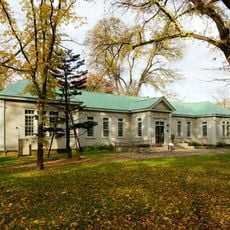
The region grew from a trading post with the Ainu people into a planned city founded in 1869 with a grid layout inspired by Kyoto. This deliberate design reflected Japan's ambition to develop Hokkaido as a strategic northern territory.
The region maintains deep roots in farming, with potato and onion cultivation shaping the landscape around it. These agricultural traditions exist alongside modern food and beverage production that defines how locals live and what they create.
New Chitose Airport provides connections to major cities, with express trains reaching central Sapporo in roughly half an hour on regular daily schedules. Public transportation is well developed throughout the area, making it easy to get around between different districts.
The region receives around 500 centimeters of snow each year, requiring specialized equipment and infrastructure for snow management visible throughout. This extreme winter precipitation has shaped local engineering and city design in ways that fascinate many visitors.
The community of curious travelers
AroundUs brings together thousands of curated places, local tips, and hidden gems, enriched daily by 90,775 contributors worldwide.