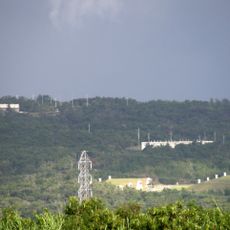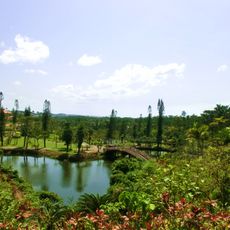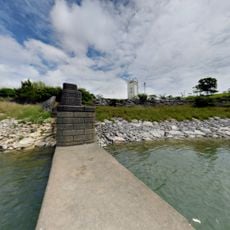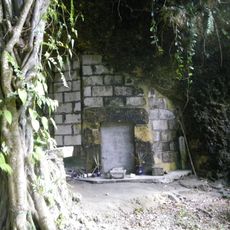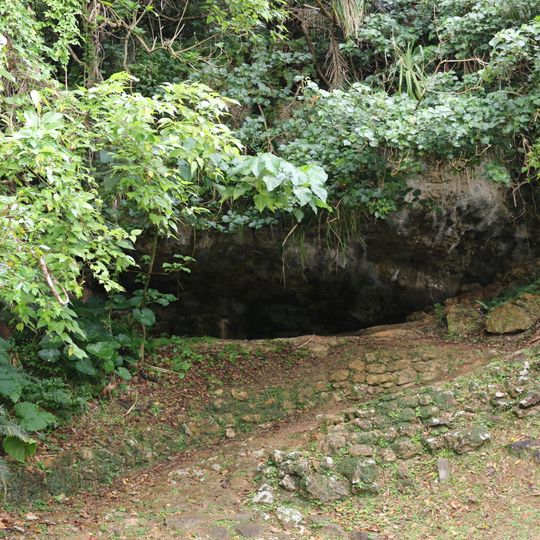
Nakadomari, Archaeological site in Onna, Japan.
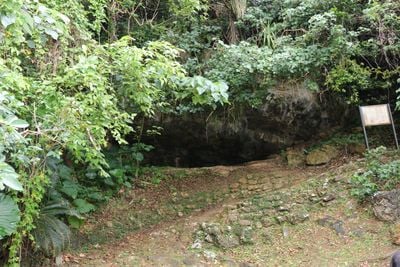
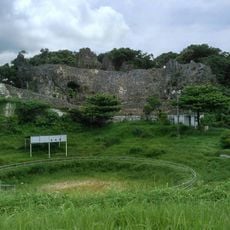
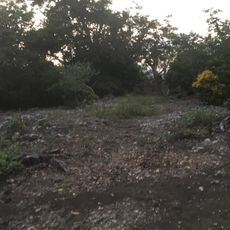
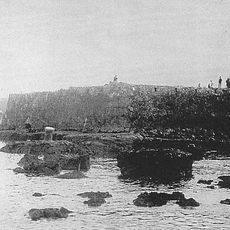
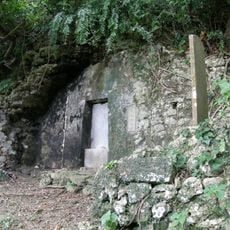
Nakadomari is an archaeological site perched on a limestone ridge roughly 30 meters above Okinawa's coast, containing four shell middens and ancient household remains. The excavated area reveals dwelling structures with stone-paved floors spanning several periods of habitation.
The site was discovered in 1954 and contains artifacts from the Early Kaizuka Period as well as evidence of the Ryukyu Kingdom era. These layers of occupation show how the location was inhabited across different time periods by successive communities.
The name reflects its location and role as an early settlement hub on the island. Pottery and shell ornaments found here reveal how people organized their daily lives and what they valued in their communities.
Information boards at the site explain the layout and function of preserved structures across different time periods. Walking through helps visitors understand how people lived and used this coastal location throughout ancient times.
Shell Midden Number 1 holds one of the largest stone axes ever found on Okinawa. This massive tool reveals the craftsmanship and skill of the people who lived at this location.
The community of curious travelers
AroundUs brings together thousands of curated places, local tips, and hidden gems, enriched daily by 91,235 contributors worldwide.