Jōkyō-ji, Buddhist temple in Noda, Japan
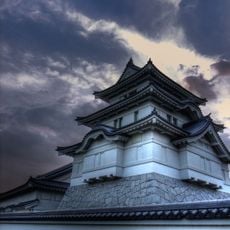
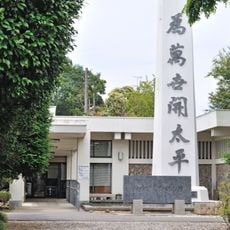
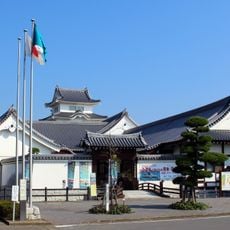
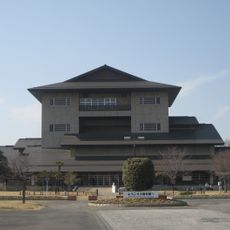
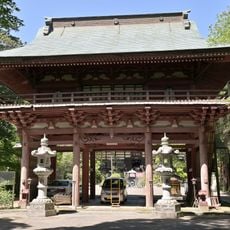
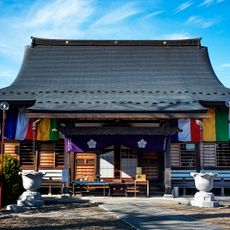
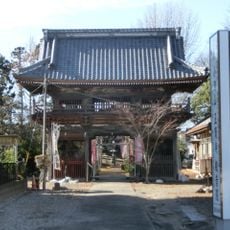
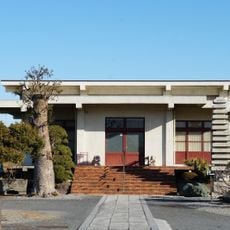
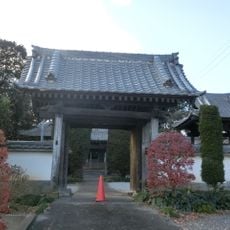
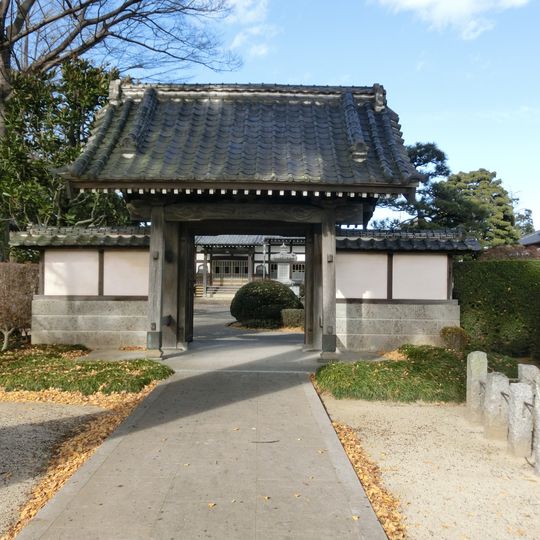
Jōkyō-ji is a Buddhist temple in Noda with several significant buildings, including the main hall Daiden and the wooden Sangedatsumon gate built in 1622. The complex also houses a Treasures Gallery displaying religious objects and a scale model of the Taitokuin Mausoleum.
The temple was founded in 1393 as a Nembutsu seminary and gained regional significance in the early 1600s when the Tokugawa family developed Edo. This connection to the rise of Tokugawa power shaped the temple's role in the area.
The temple follows the Jodo Shu Buddhist tradition, and visitors can observe people practicing Nembutsu prayer in the peaceful surroundings. This spiritual practice remains central to how the site functions and feels to those who visit.
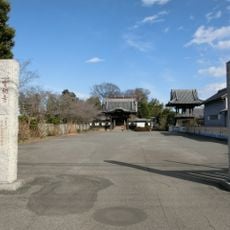
The temple consists of multiple sections, so take time to explore and see the different buildings on the grounds. The Treasures Gallery and main hall are the primary areas where visitors can view the collections and statues.
This site once housed hundreds of teaching halls and residential spaces for Buddhist scholars from across the region. Today the remaining structures and models reveal how expansive and active the scholarly community once was.
The community of curious travelers
AroundUs brings together thousands of curated places, local tips, and hidden gems, enriched daily by 91,587 contributors worldwide.