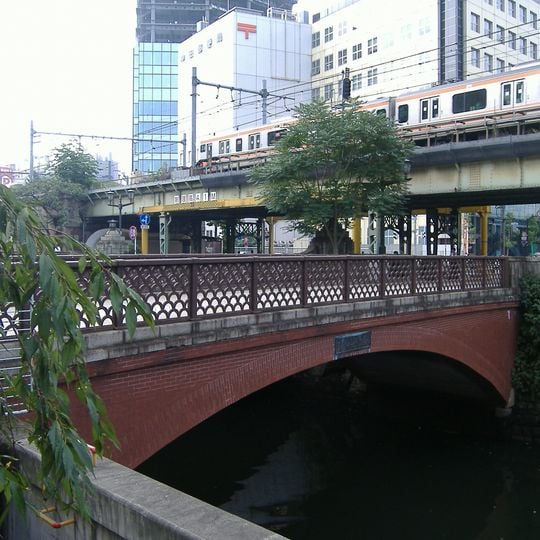
Shōhei Bridge, Road bridge in Chiyoda-ku, Japan
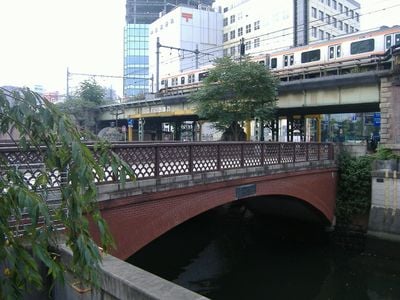
Shōhei Bridge crosses the Kanda River and connects the neighborhoods of Kanda Awajicho and Sotokanda in central Tokyo. The structure provides a direct route between different sections of Chiyoda-ku.
A bridge is first recorded here in the Kan'ei era (1624–1645), then called Imoaraibashi after a nearby Inari shrine. In 1691 it was renamed Shōheibashi after Confucius's birthplace, Shōhei, when Tokugawa Tsunayoshi built the Yushima Seidō. The present reinforced-concrete arch dates from April 1923 and survived the Great Kantō Earthquake five months later with no notable damage.
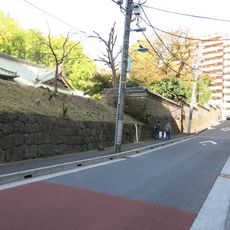
The name comes from Changping township in the state of Lu, the birthplace of Confucius: in 1691, when Tokugawa Tsunayoshi built the Yushima Seido Confucian temple, the bridge was given this name on 2 February. Earlier it was called Imoaraibashi, after the Imoarai Inari shrine on the slope of Awajisaka to its southwest. The bridge now carries the Nakasendo route, since the nearby Sujikaibashi was abolished.
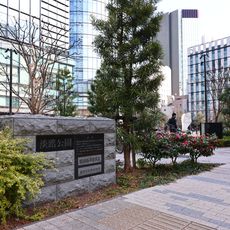
The bridge carries pedestrian-only walkways on both its west and east sides, separate from the roadway, so walkers cross without traffic. It sits between the Sobu Line Matsuzumicho overpass to the north and the Chuo Line Shōhei Bridge overpass to the south. Plazas at both the northwest and northeast bridge ends offer places to pause.
The current bridge, completed in April 1923, was the first reinforced-concrete arch bridge over the Kanda River. It survived the Great Kanto Earthquake five months later with no notable damage. Its original railings and lamps were removed for metal during World War II; only the main pillars remained until restoration work in 1983.
The community of curious travelers
AroundUs brings together thousands of curated places, local tips, and hidden gems, enriched daily by 93,463 contributors worldwide.