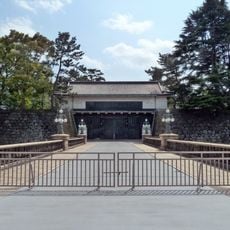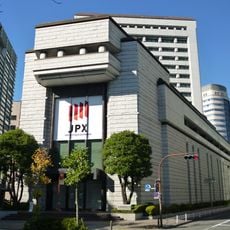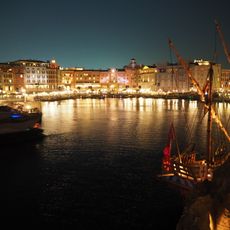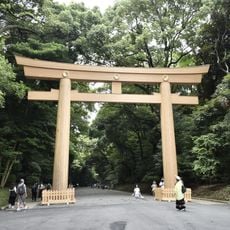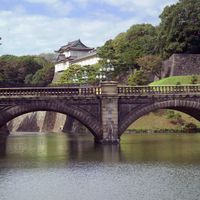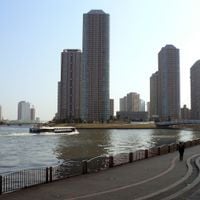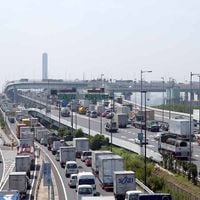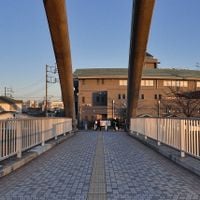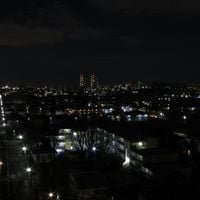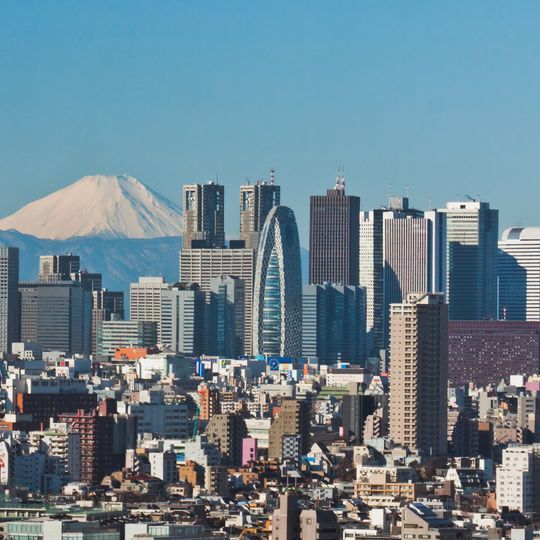
Tokyo, Megacity in Japan.
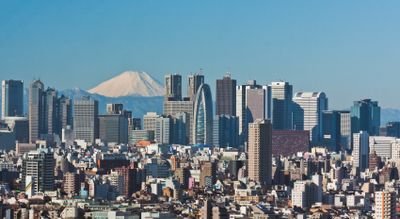
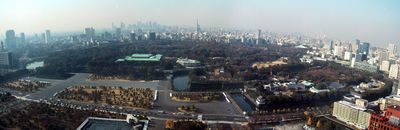
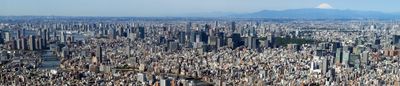
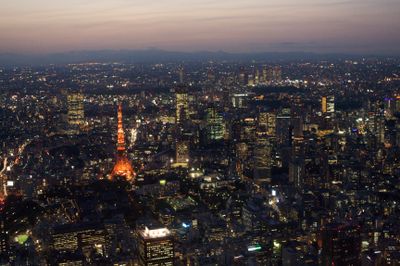
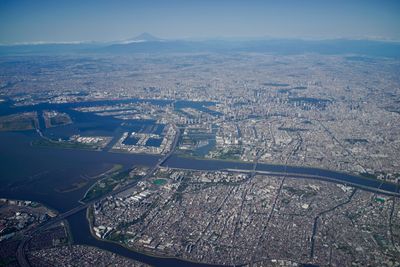
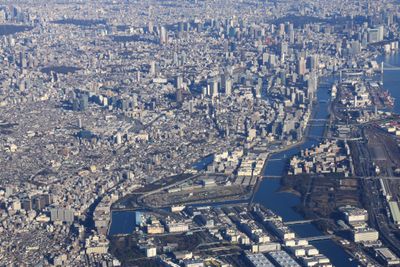
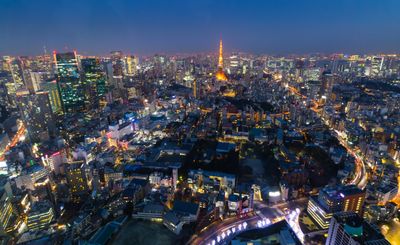
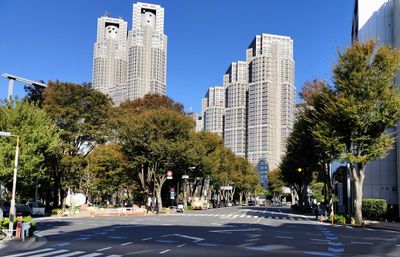
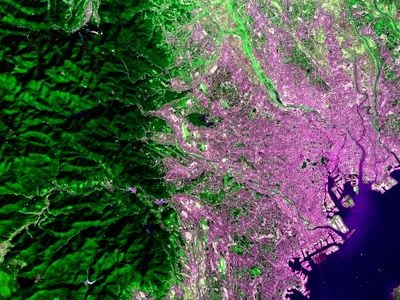
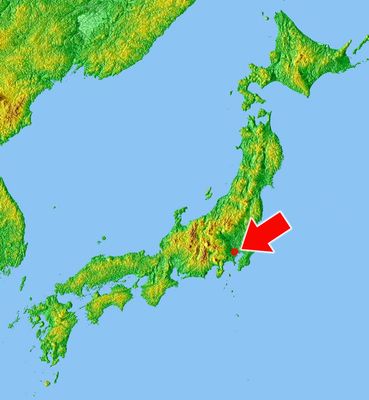
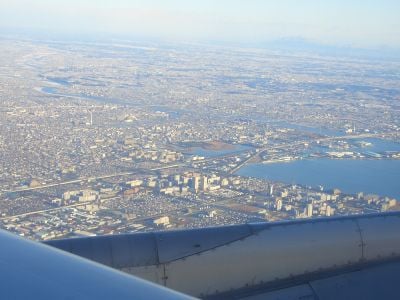
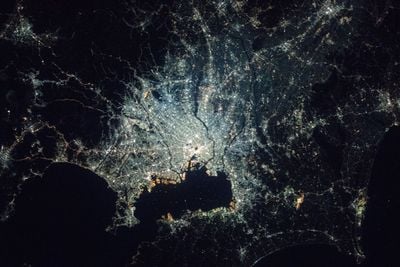
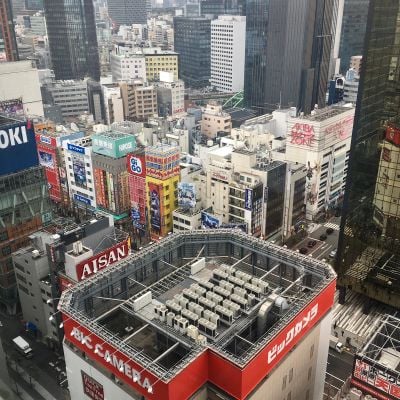
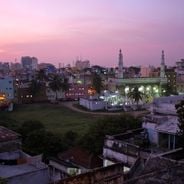
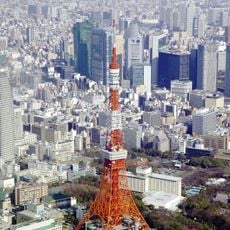
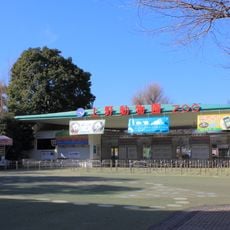
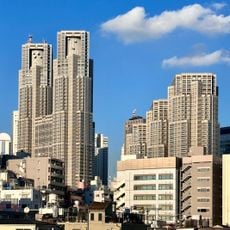
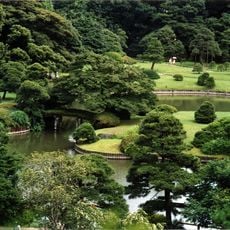
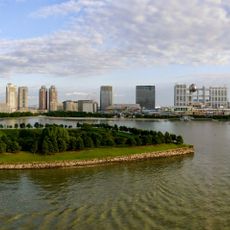
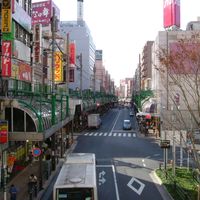
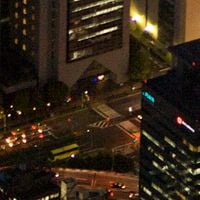
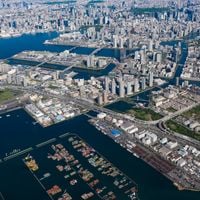
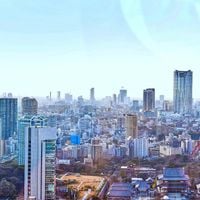
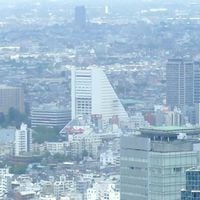
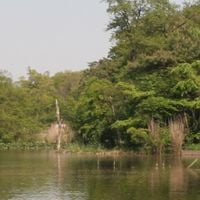
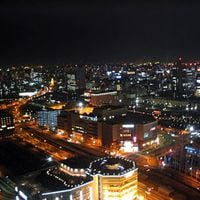
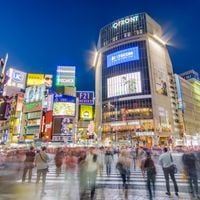
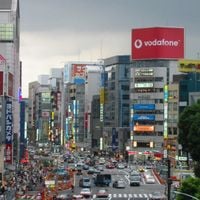
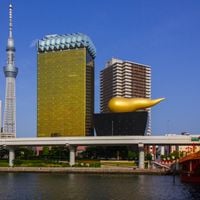
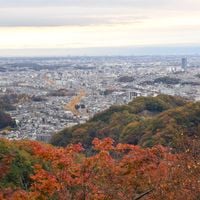
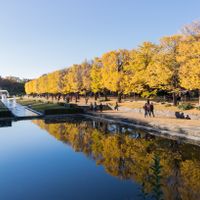
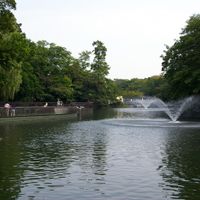
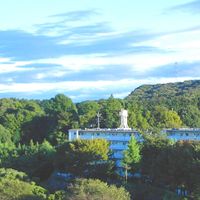
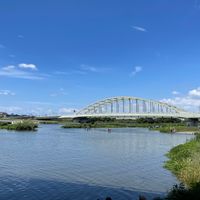
This capital stretches from plains along the bay to forested mountains in the west, with skyscraper clusters in Shinjuku and Shibuya standing beside low-rise residential areas with narrow streets and the Sumida River flowing through the eastern districts. Parks like Ueno provide green retreats between developed zones, while the cityscape continuously alternates between density and open spaces.
Shogun Tokugawa Ieyasu made Edo his seat of government in 1603, transforming a small fishing village into a city of one million people by the mid-18th century. The Great Kanto Earthquake destroyed large sections in 1923, followed by American air raids in 1945 that necessitated another rebuilding and led to the expansion of the modern metropolitan area.
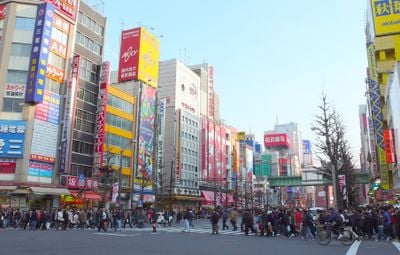
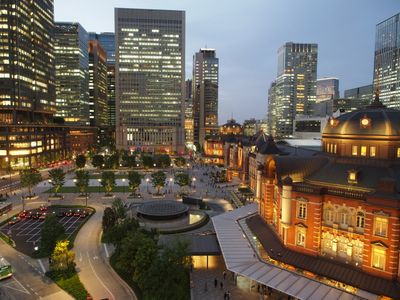
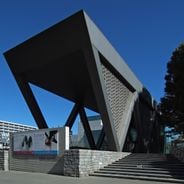
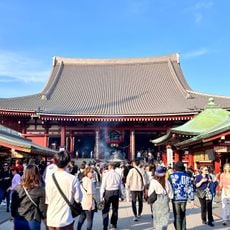
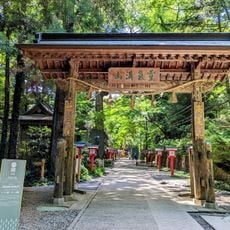
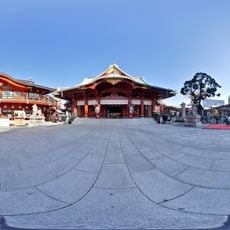
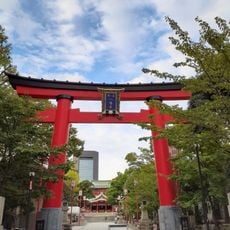
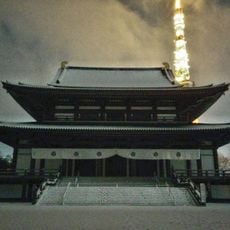
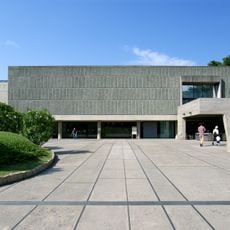
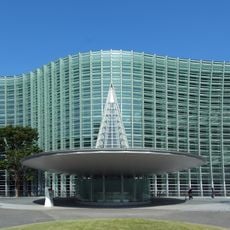
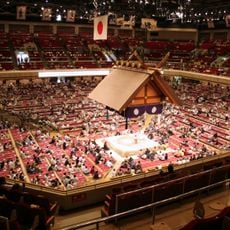
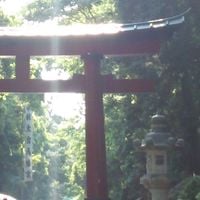
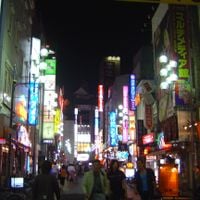
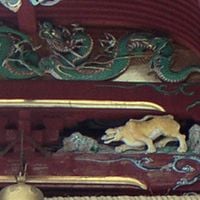
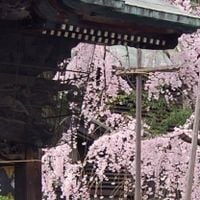
This metropolis combines Buddhist shrines, Shinto temples and modern architecture in a dense urban landscape that merges traditional matsuri festivals with global pop culture and presents Japanese ways of life from kabuki theater to the manga industry. Individual neighborhoods have developed their own cultural identities that visitors can experience directly as they walk through different districts.
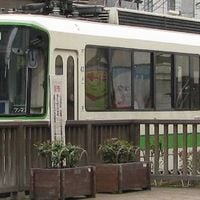
International airports at Narita and Haneda provide worldwide connections, with airport express trains taking 53 to 90 minutes to reach the center. The JR Yamanote loop line connects major districts and operates from 5 a.m. until midnight, while prepaid IC cards work across all public transit and many stores.
The Tsukiji Outer Market area sells seafood daily from Pacific waters, with vendors auctioning tuna weighing up to 450 pounds (204 kilograms) before sunrise. The fish market processes more than 400 different species and supplies thousands of restaurants within the metropolitan area as well as international buyers.
The community of curious travelers
AroundUs brings together thousands of curated places, local tips, and hidden gems, enriched daily by 60,000 contributors worldwide.