Moto-Sumiyoshi Shrine, Shinto shrine in Japan
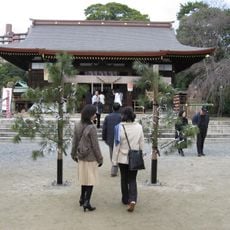
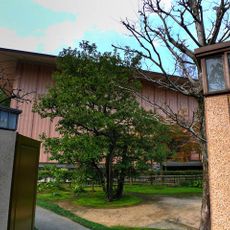
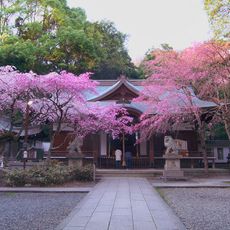
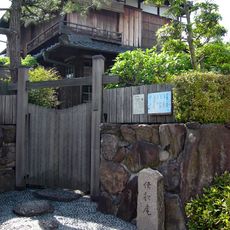
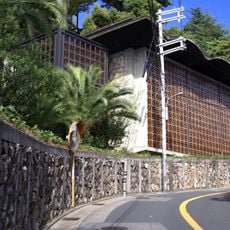
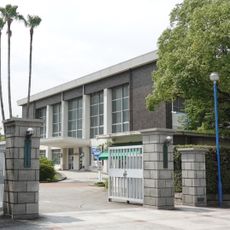
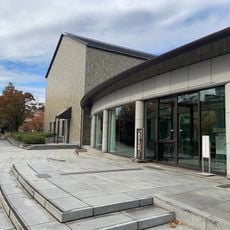
Moto-Sumiyoshi Shrine is a Shinto shrine located in Higashinada-ku, featuring traditional architectural elements and quiet garden areas. The grounds contain several small buildings and organized pathways that guide visitors through the space.
According to shrine tradition, the site is the "Otsu no Nunakura no Nagao" of the Nihon Shoki, where Empress Jingu enshrined the three Sumiyoshi deities after her return from the Korean campaign; the shrine therefore calls itself the origin of Sumiyoshi worship, a claim Motoori Norinaga supported. It is absent from the Engishiki register, was recorded as "Sumiyoshi Shrine" in the early Meiji survey, and regained the name Moto-Sumiyoshi in 1908. The buildings were rebuilt after the 1995 Great Hanshin earthquake.
Each May the Higashinada Danjiri festival fills the shrine grounds: 32 danjiri carts leave through the shrine gate and are pulled through the surrounding streets to pray against disease and disasters. Eight of these carts, named after districts such as Yamada, Kuda and Suminoe, are stored in a garage inside the precinct and paraded on 4 and 5 May.
The shrine stands one minute on foot from JR Sumiyoshi Station and about ten minutes from Hanshin Sumiyoshi Station. The grounds are bordered on the south by the old Saigoku road, today National Route 2, and on the east by the Arima road. The main hall and the subsidiary shrines along the northern edge face south, so enter from the station side and walk the approach northward.
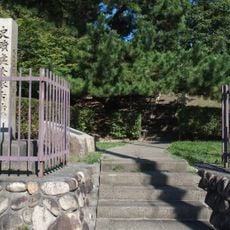
In 2020 a stone monument to Andrés Iniesta of Vissel Kobe was erected in the grounds, inscribed with a tanka by the poet Shigeo Ya. The shrine also keeps a road-origin marker of the former Sumiyoshi village beside the west edge of the approach path.
The community of curious travelers
AroundUs brings together thousands of curated places, local tips, and hidden gems, enriched daily by 95,303 contributors worldwide.