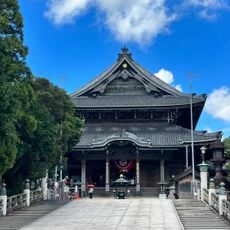
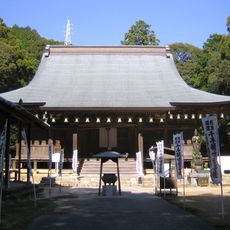
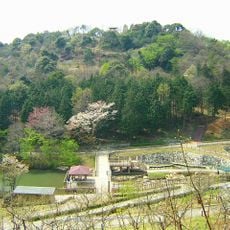
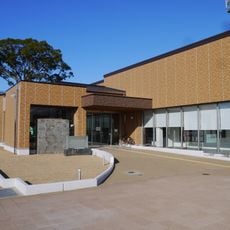
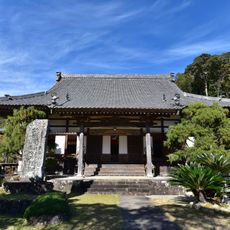
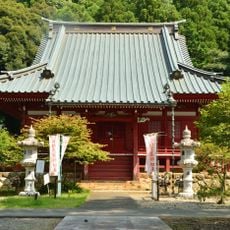
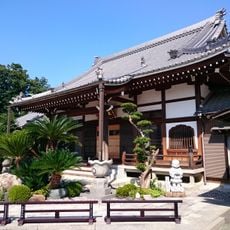
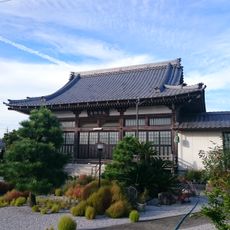
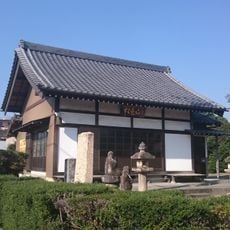
Senryū-in, Buddhist temple in Shinshiro, Japan.
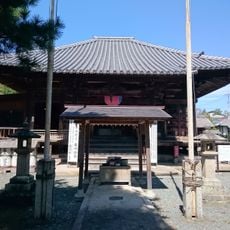
Senryū-in is a Sōtō Zen temple in Shinshiro, Aichi Prefecture, founded in 1470 on Mount Daihō (Ōbori). Its main image is Shakyamuni Buddha, and it enshrines Tōshō Daigongō in the Tōshōken hall built after Tokugawa Ieyasu's death, with the Tokugawa shoguns' memorial tablets kept in the Kaizan-dō. The graves of the Suganuma lords of Noda Castle stand on the grounds.
In 1460 the Zen master Monnan Dōken settled here, and the main halls were completed in 1464; Roga Kutsu of Ryūkei-in in Okazaki became founding abbot in 1470. In 1539 Suganuma Sadanori, lord of Noda Castle, rebuilt the halls, and his son Sadamura made the whole of Ōbori village temple land, prompting the name change to Ōbōzan. The halls burned in 1573 during the Takeda attack on Noda Castle and were restored by Suganuma Sadamitsu, who donated the main Shakyamuni image.
Senryū-in is the 12th stop on the Mikawa Hakujū Kannon pilgrimage, and it enshrines Tōshō Daigongen in the Tōshō-ken hall built after Tokugawa Ieyasu's death. The successive Tokugawa shoguns' memorial tablets are kept in the Kaizan-dō, alongside the gravestones of the Suganuma lords of Noda Castle.
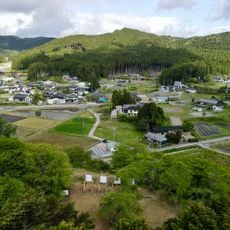
Senryū-in stands in Shinshiro, Aichi Prefecture, in the former Ōbori village area; the temple's mountain name, Ōbori-zan, comes from that village. The temple is the 12th stop on the Mikawa Hakujū Kannon pilgrimage, so visitors can combine it with other stops on that route.
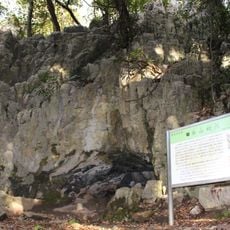
Senryū-in is the 12th stop on the Mikawa Hakujū Kannon pilgrimage. Its founding story tells of the monk Monnan Dōken, who meditated in a cave at Yoshimizu until the mountain shook and a large conch shell burst from the rock; the name of nearby Mount Horagai, "conch mountain", confirmed the omen and the temple's original name.
The community of curious travelers
AroundUs brings together thousands of curated places, local tips, and hidden gems, enriched daily by 94,027 contributors worldwide.