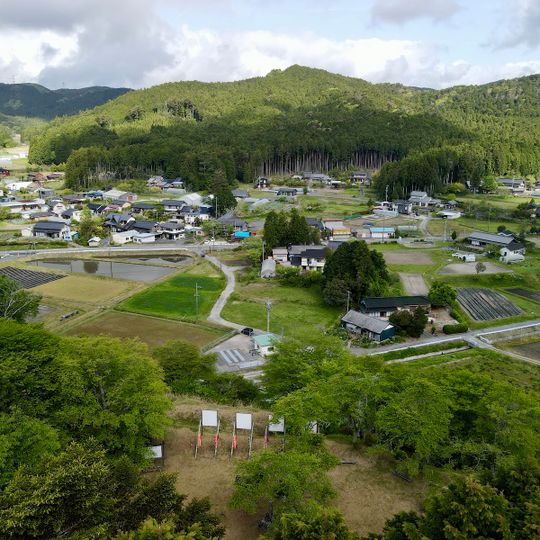
作手城, Mountain fortress in Mikkaido, Japan
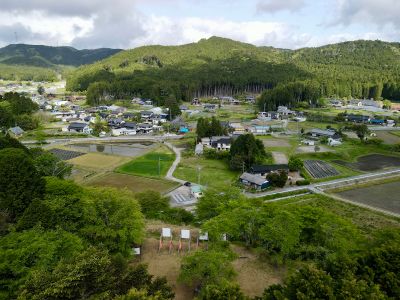
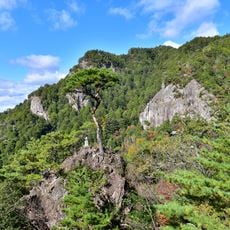
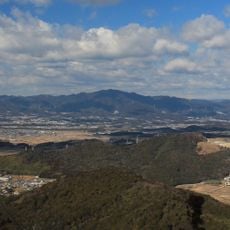
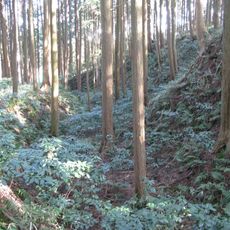
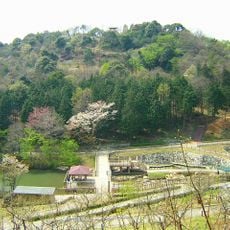
Sakute-jo is a mountain castle in Aichi Prefecture, built along a narrow ridge that rises above the surrounding forested hills. The site preserves earthen banks, dry moats, and stone walls arranged across several terraced levels that follow the natural contour of the slope.
The castle was built in the early 16th century during the Sengoku period, when local warlords competed for control of mountain passes and trade routes. As central authority strengthened under the Tokugawa shogunate, the site lost its purpose and was left to the forest.
The castle takes its name from the Sakute area, a locality that had been inhabited long before the fortress was built. Walking through the remains, visitors can see how the natural shape of the ridge was used to organize both defense and daily movement.
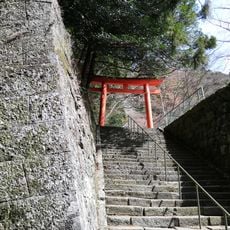
The site is reached by a forest trail that starts at the base of the hill and climbs to the ruins at the top of the ridge. Sturdy footwear is a good idea, as the path includes steep sections and the ground around the ruins is uneven.
Several rival Daimyo families took control of the castle at different times, and the changes they made are still readable in the stonework. At certain spots, earlier walls were patched or rebuilt in a noticeably different style, showing how ownership shifted without a complete reconstruction.
The community of curious travelers
AroundUs brings together thousands of curated places, local tips, and hidden gems, enriched daily by 60,000 contributors worldwide.