Hakunu-jinja, Shinto shrine in Japan
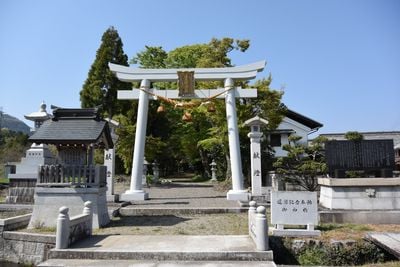
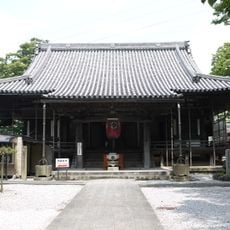
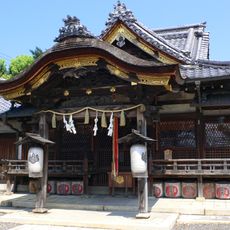
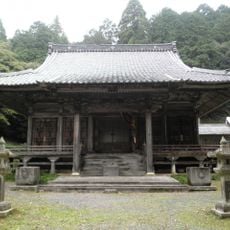
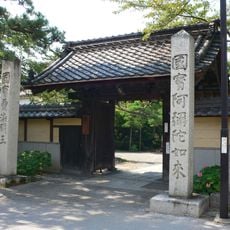
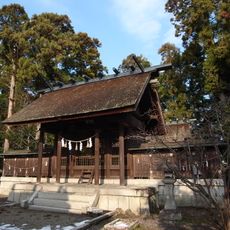
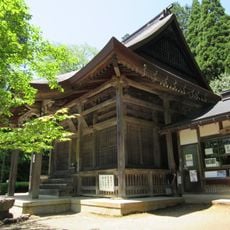
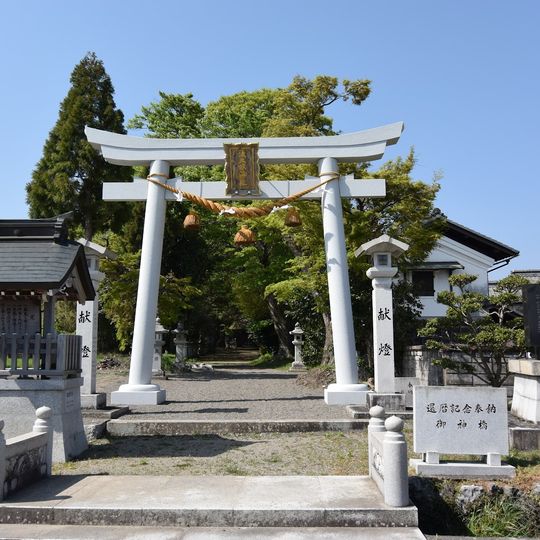
Hakunu-jinja is a Shinto shrine in Nagahama featuring nagare-zukuri architecture, characterized by an asymmetrical roof that extends far over the entrance to create a protective porch area. The building is supported by wooden pillars and sits slightly elevated from the ground, uniting simple yet refined construction with natural materials and practical design.
Hakunu-jinja was founded in the late Heian period, around 1069, after Emperor Go-Sanjō issued a decree to establish a shrine dedicated to spiritual veneration. During the turbulent Sengoku period, the shrine fell into decline due to warfare, but was later restored by Toyotomi Hideyoshi.
The name Hakunu-jinja relates to the deities worshipped here, including Emperor Ōjin and Empress Jingū, who hold deep meaning in the local community. Visitors can experience how this place serves for prayers and communal celebrations during festivals or in quiet moments of reflection.
The shrine is roughly 13 minutes on foot from Nagahama Station and easily combines with nearby sites like the Shana-in Temple. The paths are well maintained and level, with stone lanterns marking the way and making visits pleasant throughout the year.
The shrine grounds connect with the Nagahama Hikiyama Festival, a centuries-old spring celebration held in April featuring ornately decorated floats pulled through the streets. This festival ranks among Japan's major float events and draws visitors seeking to experience the lively energy and craftsmanship tradition firsthand.
The community of curious travelers
AroundUs brings together thousands of curated places, local tips, and hidden gems, enriched daily by 92,074 contributors worldwide.