Monoimina no Mikoto Shrine, Shinto shrine in Japan
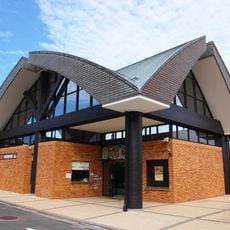
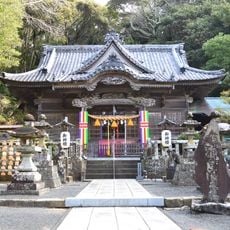
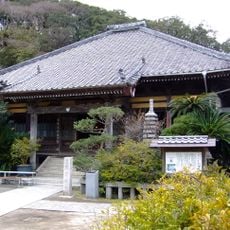
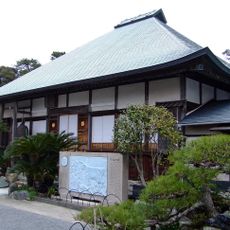
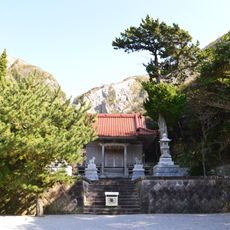
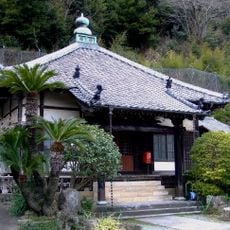
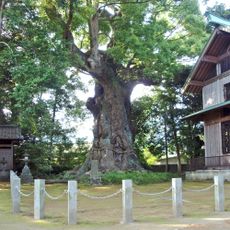
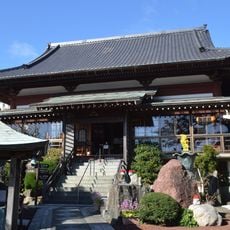
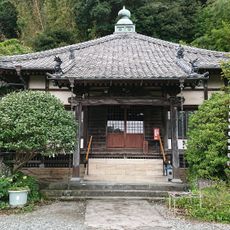
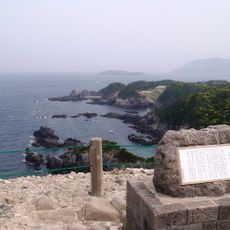
Monoimina no Mikoto Shrine stands on a hill in the northern part of the Maehama settlement on Kozushima. Its worship hall and main hall, a protective outer structure built in 2006 around an inner sanctuary from 1810, are designated tangible cultural properties by the village. A hall for the Buddha Yakushi, a remnant of Shinto-Buddhist syncretism, also stands in the grounds.
The shrine's first appearance in national records is in the Shoku Nihon Kōki, which states that in 840 the deity Monoimina no Mikoto, child of the Mishima deity and Awa-hime, was granted a rank. In 927 the Engishiki listed it as a Myōjin Taisha. The shrine became a prefectural shrine in 1878; its main hall collapsed in the 2000 earthquake and was rebuilt in 2006.
Locals call the shrine 'Sadai Myojin', a name recorded on a votive tablet found in the main hall after it collapsed in the 2000 earthquake. The annual festival on August 1–2 features the katsuo-tsuri shinji, a bonito-fishing ritual performed in the grounds and designated an Important Intangible Folk Cultural Property in 1999.
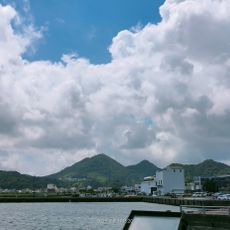
The shrine sits near Maehama Port, making it easy to reach for visitors arriving by boat. The place is quiet and not crowded, allowing you to pray or reflect in calm without interruption.
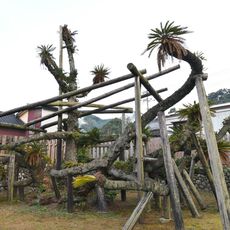
The bonito-fishing rite held on 2 August after the festival ceremony was designated a national Important Intangible Folk Cultural Property on 21 December 1999. In it, young men in fishermen's dress board a boat frame of green bamboo in the shrine grounds, acting out departure, bonito angling, return to port and the auction.
The community of curious travelers
AroundUs brings together thousands of curated places, local tips, and hidden gems, enriched daily by 93,562 contributors worldwide.