Kotachi Kofun, Keyhole-shaped burial mound in Akitakata, Japan
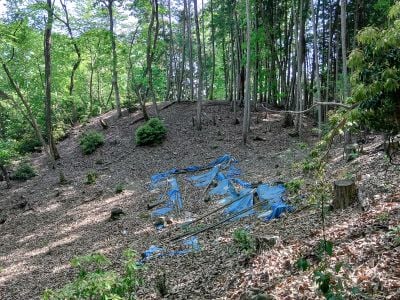
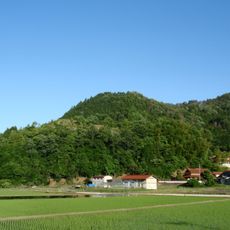
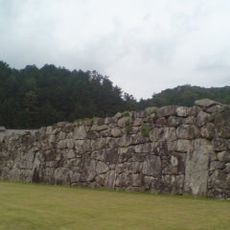
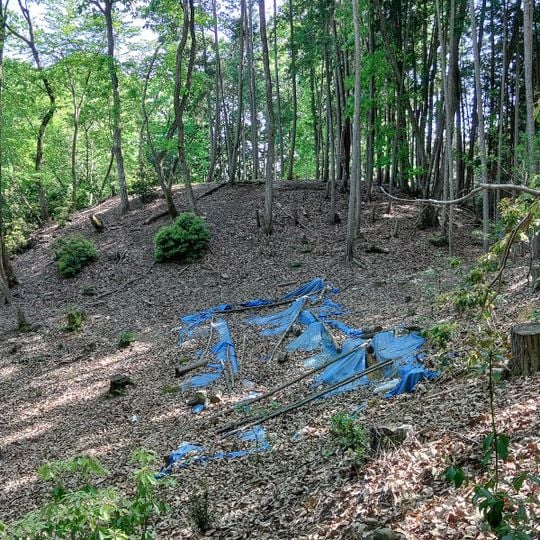
Kōtachi Kofun is a keyhole-shaped tumulus on a ridge at the southeast foot of Mount Kikuyama in Akitakata, Hiroshima Prefecture. Its 77.5-meter mound has a three-tiered circular rear portion 56.2 meters in diameter and a two-tiered rectangular front portion 30.5 meters wide, oriented south. The surface is covered with fukiishi stones, and haniwa figures including house-shaped and armor-shaped examples have been excavated.
This burial mound dates to the Kofun period between 300 and 538 AD, when burial practices shifted away from earlier methods. The construction of such large earthworks reflected changes in how communities organized themselves and honored their leaders.
The clay figures scattered around the burial site represent soldiers, animals, and everyday objects that show how people valued craftsmanship and their social world. These finds reveal what mattered most to the community when honoring the dead.
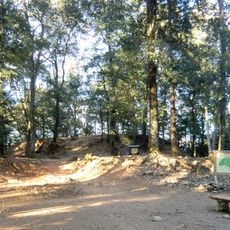
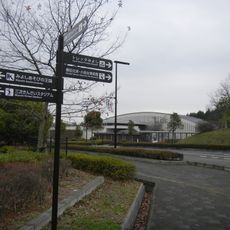
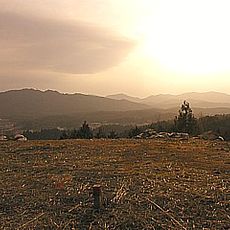
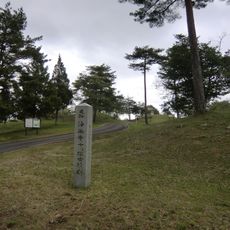
The site is accessible from Akitakata city center through local routes, with information panels located near the entrance. Comfortable footwear is helpful since the terrain is uneven with grassy slopes and pathways to explore.
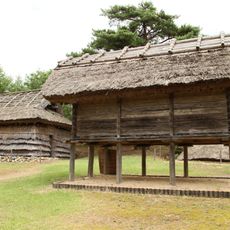
The burial chamber has never been excavated; electrical resistivity surveys suggest a pit-type stone-lined chamber about 7.5 metres long and 2.8 metres wide in the centre of the rear circle. A row of five house-shaped haniwa, including two gabled raised-floor buildings, stood on a stone-paved area southeast of the centre, and a rare child-bearing house haniwa came from a shallow depression nearby.
The community of curious travelers
AroundUs brings together thousands of curated places, local tips, and hidden gems, enriched daily by 94,498 contributors worldwide.