Genkō-ji, Buddhist temple in Matsumoto, Japan
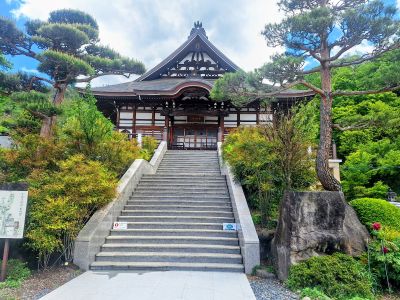
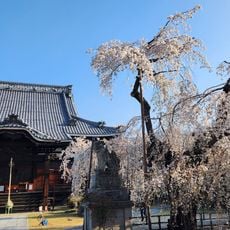
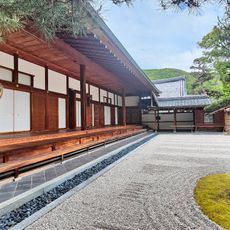
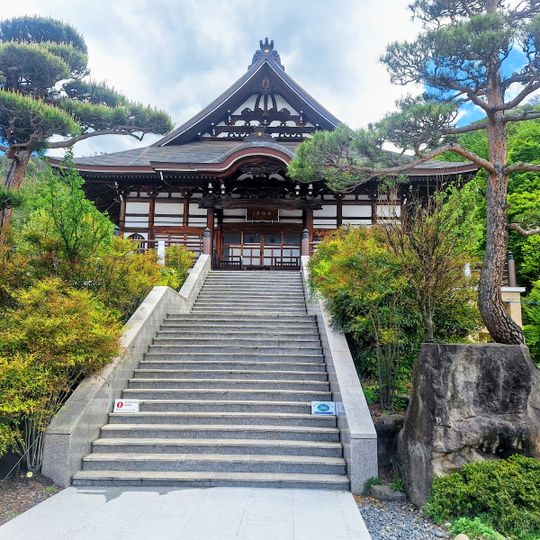
Genkō-ji is a Jōdo-shū temple in the Ōmura district of Matsumoto, formally named Nyotoba-zan Dōju-in Genkō-ji. Its grounds hold a main hall, a Niō gate, a Kannon hall rebuilt in 2007, an Inari shrine also rebuilt in 2007, and the Mizuno family mausoleum. A stone statue of the monk Hakuō stands on the site, and the temple is known for 1,200 peony plants of 120 varieties.
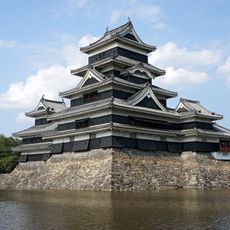
Genkō-ji was founded in 1561, in the Muromachi period, by the monk Chōyo Seikō. In the Edo period the Mizuno family, lords of Matsumoto Castle, protected the temple for six generations over 84 years; their mausoleum in the grounds is a Matsumoto City special historic site. The temple is also linked to the monk Hatsukō, who is said to have trained under the waterfall on the hill behind it.
The temple is known for its peony garden, where 1,200 plants of 120 varieties bloom in spring; gagaku performances are held during the peony season and draw many visitors. It also preserves ties to the monk Batan, who is said to have trained under the waterfall on the hill behind the temple.
Genkō-ji stands at Ōmura 681 in Matsumoto, about 20 minutes by car from the Matsumoto interchange. By public transport, take the bus from JR Matsumoto Station bound for Utsukushigahara Onsen and get off at the terminus, then walk about 10 minutes. The temple grounds are open to visitors, and the peony season draws crowds.
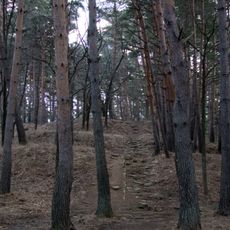
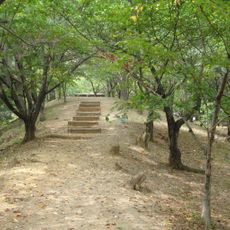
The temple is associated with the monk Haryū Shōnin, who is said to have visited the abbot Ritsuzan and trained under the waterfall on the hill behind the temple. A stone statue of Haryū Shōnin stands in the grounds, and a hanging scroll attributed to him is kept as a temple treasure.
The community of curious travelers
AroundUs brings together thousands of curated places, local tips, and hidden gems, enriched daily by 93,491 contributors worldwide.