Kounomine-jinja, Shinto shrine in Japan
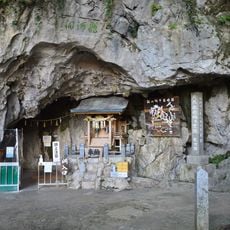
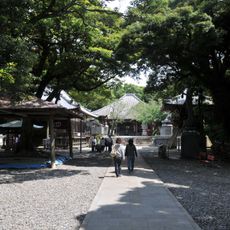
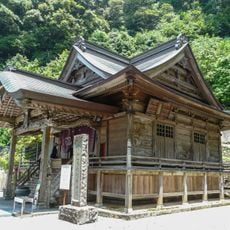
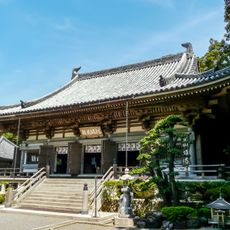
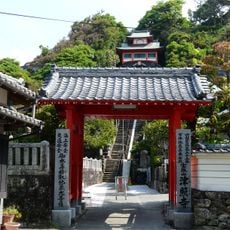
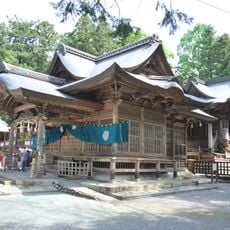
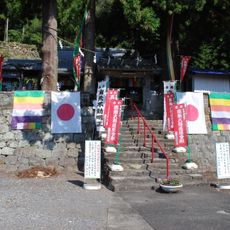
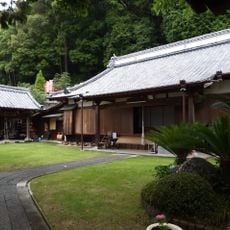
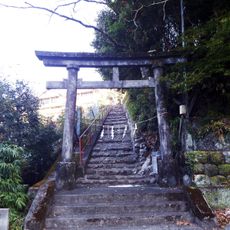
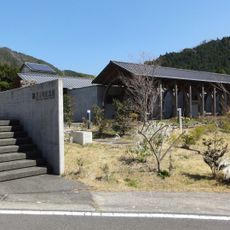
Kounomine-jinja is a Shinto shrine in Yasuda that marks the 27th stop on a pilgrimage route connecting 88 sacred sites. The modest wooden structure sits among trees with simple stone paths, a traditional gate entrance, and small auxiliary buildings nestled nearby.
According to the shrine's diary, Emperor Jimmu built a stone altar and set up a sacred enclosure on this mountain during his eastern campaign, which is considered the shrine's origin. It was originally a Buddhist-Shinto complex linked to the Kannon hall that preceded Kōnomine-ji. In the early Meiji period the Buddhist buildings were removed under the separation order, leaving only the shrine; Kōnomine-ji was revived in 1887 and the shrine became its okunoin.
Kounomine-jinja is named after Ōyamatsumi, a mountain deity honored in local tradition. Visitors notice small wooden plaques with written wishes and offerings left by people seeking blessings for health, safety, and good harvests.
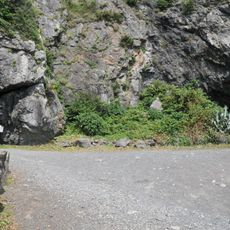
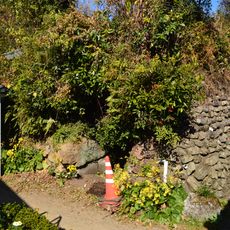
The shrine stands at about 500 m on Mount Kōnomine, roughly 250 m above Kōnomine-ji; the old stone-paved approach from the temple is now blocked by fallen trees and overgrowth, so reach it by the mountain road instead. That road is unmaintained, but a few cars can park just before the third torii. Look for the Kūkai resting rock on the hillside between the road fork and the third torii.
This shrine is part of a historic 88-site pilgrimage route, and many walkers follow ancient paths to visit it as a milestone in their spiritual journey. This connection to a larger network of sacred places gives the site a special role beyond its local presence.
The community of curious travelers
AroundUs brings together thousands of curated places, local tips, and hidden gems, enriched daily by 94,432 contributors worldwide.