Kamuhatori-jinja, Shinto shrine in Japan
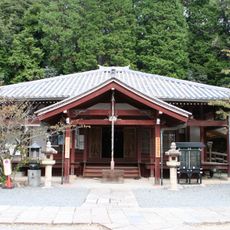
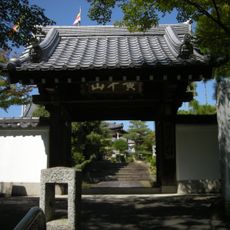
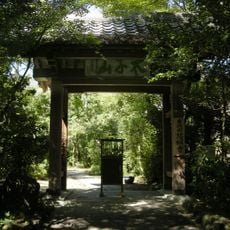
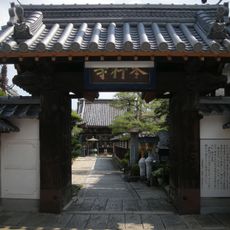
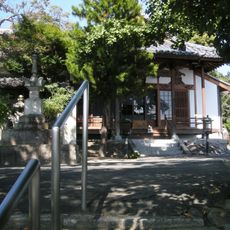
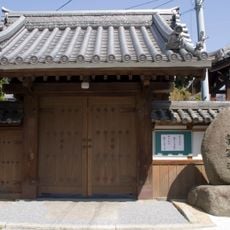
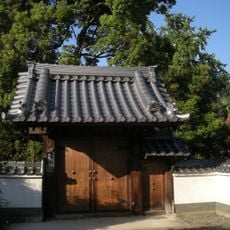
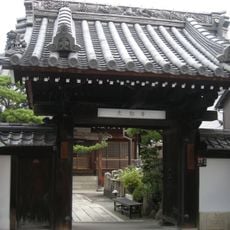
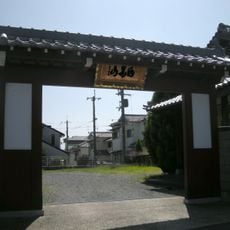
Kamuhatori-jinja is a small Shinto shrine in Takatsuki featuring simple wooden structures and well-maintained grounds that create a peaceful setting. The main hall displays traditional architecture with dark wood and tiled roofs, while stone lanterns and mature trees frame the quiet space.
The shrine began as Hattori-jinja, where the Hattori clan venerated its ancestral deities; the neighbouring Hattori-ren and Mijo-zuka burial mounds are held to be the clan couple's tombs. In the Engi era (901–923) the name was changed to Kamuhatori-jinja, and the Engishiki register lists it as a small shrine among the three of Shimakami district, Settsu province. Monks of Anyoji managed it until the Meiji Restoration; it became a village shrine in 1872, absorbed Kasuga and Inari shrines in 1907 and Uenomiya, Wakamiya and Shinmei shrines in 1908, and was renovated in 2013.
The shrine's name changed from Hattori-jinja to Kamuhatori-jinja during the Engi era (901–923), and it appears in the Engi-shiki register as one of three small shrines of Shimakami district, Settsu province. Until the Meiji Restoration, monks from Anyoji temple managed its affairs. Each summer the grounds host the Shimizu Fureai Natsu Matsuri, a local exchange festival.
The shrine stands at 2-25 Miyanokawahara Motomachi in Takatsuki. From JR Takatsuki Station take the city bus toward Tsukawaki or Haradai Bridge and get off at Urado, then walk about three minutes. The grounds also host the Shimizu Fureai Summer Festival each year.
The name Kamuhatori comes from the Hattori clan (服部連), who worshipped their ancestral deity here and called the shrine Hattori-jinja; it was renamed Kamuhatori-jinja in the Engi era (901–923). Two nearby kofun, Hattori-ren-zuka and Onna-zuka, are held to be the clan couple's tombs.
The community of curious travelers
AroundUs brings together thousands of curated places, local tips, and hidden gems, enriched daily by 94,027 contributors worldwide.