Inada-jinja, Shinto shrine in Japan
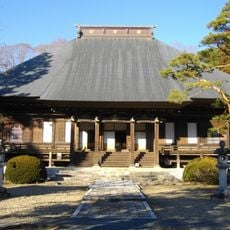
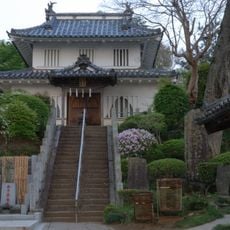
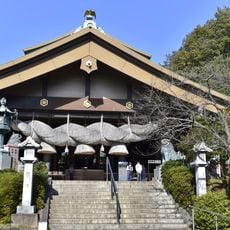
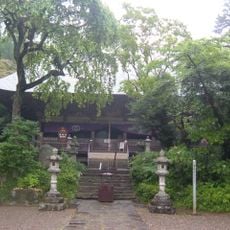
Inada-jinja is a Shinto shrine in the Inada area of Kasama, Ibaraki Prefecture. Its main deity is Kushinadahime, and the shrine stands at the foot of a hill; about 300 metres northwest, on the slope of Mount Inada, is the Okunomiya (inner shrine), said to be the original site. The grounds contain several subsidiary shrines, including Tenazuchi-jinja and Ashinazuchi-jinja in front of the worship hall.
The shrine's founding date is unknown; a legend tells that a village headman built it after Kushinada-hime appeared at a spring and declared herself the local deity. It is first recorded in the early 10th-century Engishiki as a major shrine of Shinachi District, Hitachi Province. The hall burned in the late Muromachi period and was rebuilt in 1602; after another fire in 1845, the current hall was rebuilt in 1848.
The shrine's name comes from Kushinadahime, the wife of Susanoo in Japanese myth. The Gion festival on 30 July reenacts their reunion at the Okunomiya, 300 m northwest up Inada mountain, where the portable shrine spends the night. The grounds hold Tenazuchi Shrine, her father, and Ashinazuchi Shrine, her mother, flanking the worship hall.
The shrine is at 763 Inada, Kasama, about 15 minutes on foot from JR Inada Station on the Mito Line. The main hall stands in the precinct, with the Tenazuchi and Ashinazuchi shrines in front of the worship hall and the Yagumo shrine beside the main hall. The original site, the Motomiya okunomiya, lies about 300 m northwest on the slope of Mount Inada, where a large rock marks the descent of Kushinada-hime.
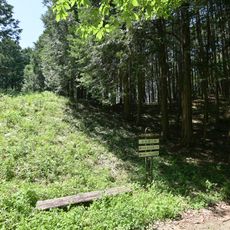
About 300 metres northwest of the main shrine, on the slope of Mount Inada, stands the okumiya (inner sanctuary); a large boulder juts out beside its small shelter and is said to mark where Kushinadahime descended. The main hall burned in 1845 and was rebuilt in 1848.
The community of curious travelers
AroundUs brings together thousands of curated places, local tips, and hidden gems, enriched daily by 94,535 contributors worldwide.