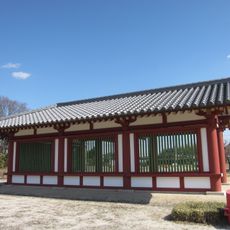
雄琴神社, Shinto shrine in Japan
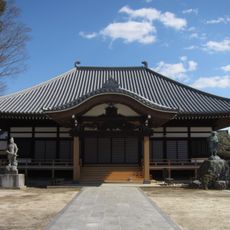
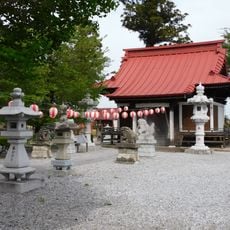
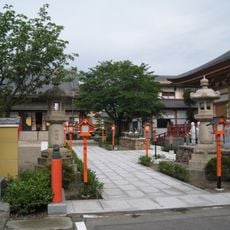
Okoto Shrine in Mibu, Tochigi Prefecture, enshrines Amaterasu Omikami, Emperor Tenmu, Prince Toneri and Otsuki no Imaro. Its honden is a one-bay nagare-zukuri building from 1686, with a haiden and a zuishin-mon gate in irimoya style, all Mibu town cultural properties. A copper torii cast in 1778 by the Maruyama founders stands at the entrance.
According to shrine tradition, it was founded in 1091, when Hōtei, a descendant of Kiyohara no Masanori, enshrined Prince Toneri here under the name Fujinomori Shrine. In 1464 Mibu Tanenari, first head of the Shimotsuke Mibu clan, invited the spirit of Otsuki no Imao from Yukoto in Ōmi Province and renamed the shrine Yukoto Daimyōjin. After the Mibu clan fell in 1590, it remained the tutelary shrine of Mibu.
The shrine serves as a gathering place where local traditions remain part of everyday life. Visitors can observe people arriving throughout the year for prayers and seasonal ceremonies, from winter purification rites to spring and autumn celebrations that bring the community together.
The shrine stands at 18-58 Tōri-chō, Mibu, about a seven-minute walk from Mibu Station on the Tōbu Utsunomiya Line. The copper torii marks the entrance on the street side. Annual rites run from the New Year service on 1 January to the Niiname-sai and procession near 29 November.
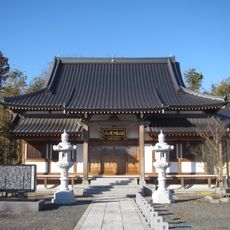
The copper torii at the entrance was donated in 1778 by the Mibu merchant Katō Sadayū and cast by the Maruyama family of foundry masters; it is a Tochigi Prefecture designated tangible cultural property. The main hall, worship hall and Zuishinmon gate date from the Edo period and are Mibu town cultural properties.
The community of curious travelers
AroundUs brings together thousands of curated places, local tips, and hidden gems, enriched daily by 94,240 contributors worldwide.