Kumomi Sengen Shrine, Asama shrine in Kumomi, Matsuzaki, Japan
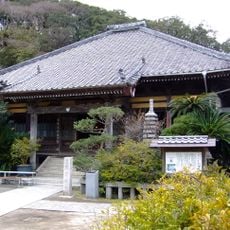
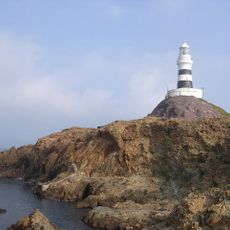
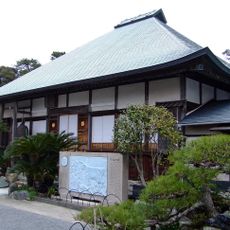
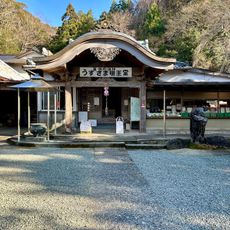
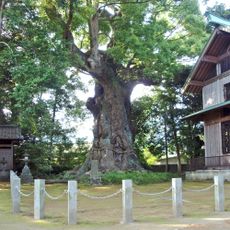
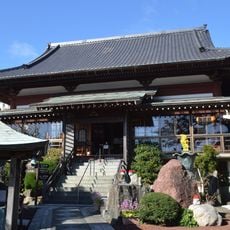
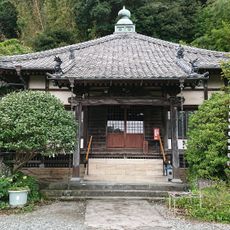
Kumomi Sengen Shrine stands on Mount Eboshi, a 162-meter tuff rock hill at the western tip of the Izu Peninsula in Matsuzaki. Its worship hall and Naka-no-miya (Women's Shrine) sit on the hillside, with the main hall just below the summit. A climb of 428 steep stone steps from Route 136 passes both worship halls.
The founding date and origin are unknown. The shrine is traditionally identified with "Ishido no Myōjin" in the Izu no Kuni Jinja Chō and with Iwanohime-no-Mikoto Shrine in the Engishiki register, though no decisive document confirms this. According to shrine tradition, the honden was blown into the sea by a typhoon and rebuilt in 1657. Long a center of shugendō practice, it became a village shrine after the Meiji separation of Shinto and Buddhism.
The shrine is rare among Japan's roughly 2,000 Sengen shrines in honouring only Iwanagahime-no-Mikoto, the elder sister of Konohanasakuya-hime, the deity of Mount Fuji. Local custom long avoided climbing Fuji and even speaking its name, since praising Fuji from Eboshi-yama was said to bring a fall into the sea. A rock in the hills is pointed out as the test-cut of the legendary sawyer Zenroku.
From the shrine's base on National Route 136, a walk of about 25 minutes leads past two worship halls to the main hall, climbing 428 stone steps that are very steep and uneven in places. Sturdy footwear is essential; high heels are unsuitable. The area near the summit is constantly exposed to strong wind.
Local people long avoided climbing Mount Fuji and treated the word "Fuji" as taboo, believing that praising Fuji from Mount Eboshi would send the speaker tumbling into the sea. The shrine's own legend explains the tension: Iwanagahime, the ugly elder sister of Fuji's goddess Konohanasakuyahime, hid herself at Kumomi after being rejected.
The community of curious travelers
AroundUs brings together thousands of curated places, local tips, and hidden gems, enriched daily by 94,027 contributors worldwide.