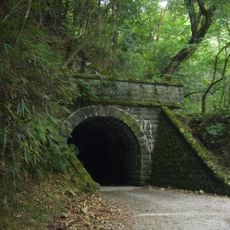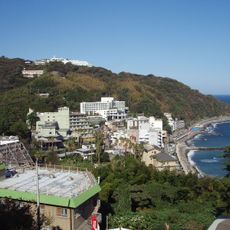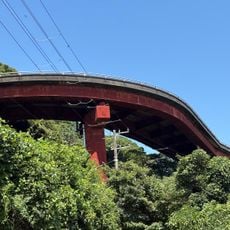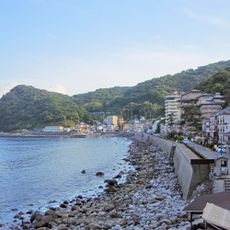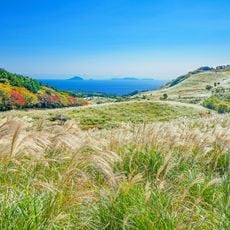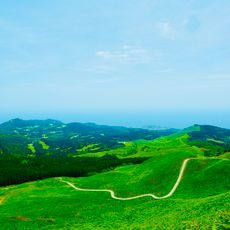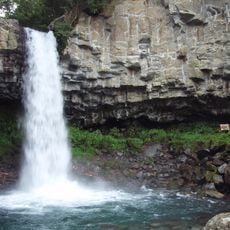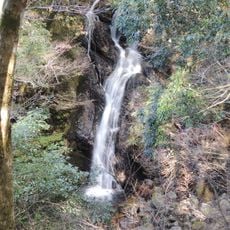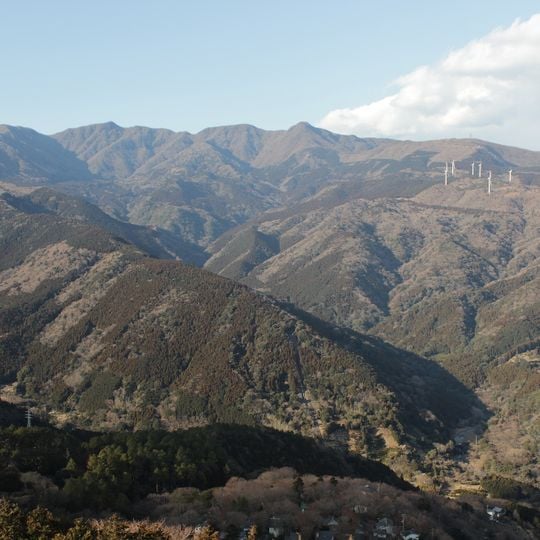
Mount Amagi, Extinct stratovolcano in Izu Peninsula, Japan
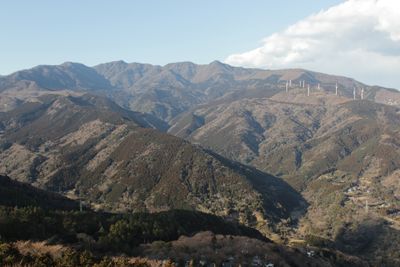
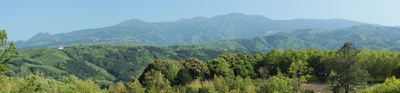
Mount Amagi is an extinct stratovolcano in the Izu region that spans several municipalities and reaches 1,406 meters (4,613 feet) at Banzaburo Peak. Its forested slopes form part of a larger volcanic structure that defines the central highlands of the peninsula.
Volcanic activity ceased around 200,000 years ago, leaving behind the current mountain formation as part of the Izu-Bonin-Mariana Arc. Over time, the forested summit became a known destination for hikers from the Shizuoka region.
The name comes from Japanese and refers to its position within the Amagi mountain range. Hikers walking through the forested slopes often notice small wooden shrines along the trails, tended by local communities who visit throughout the year.
Hiking trails begin at several parking areas around the mountain, with the main route from Amagi-juusou-tozanguchi covering about 8 kilometers (5 miles). The paths climb through forested terrain, so sturdy shoes and some stamina help.
Wild wasabi plants grow along stream beds on the lower slopes, thriving in the clear spring water. Local farmers have harvested this spicy root from these natural sites for generations.
The community of curious travelers
AroundUs brings together thousands of curated places, local tips, and hidden gems, enriched daily by 91,328 contributors worldwide.