Aki Shrine, Shinto shrine in Japan
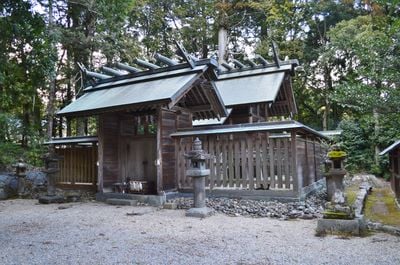
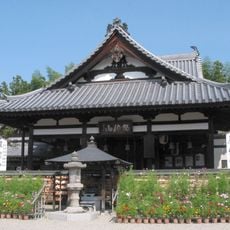
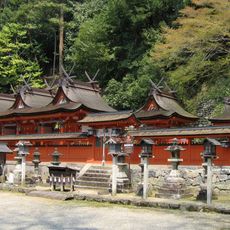
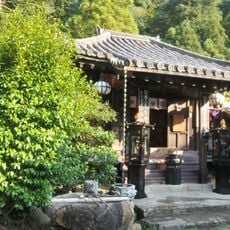
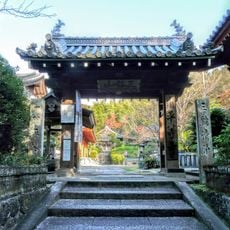
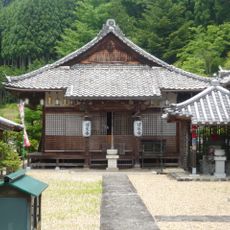
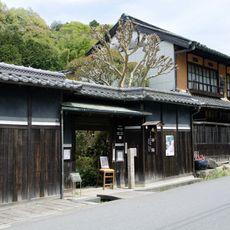
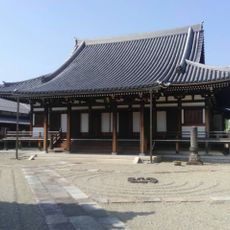
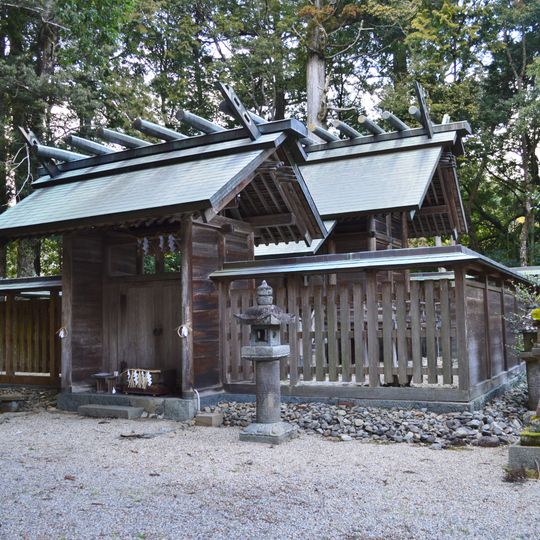
Aki Shrine is a Shinto shrine in Uda City, Nara Prefecture, situated on land where local spirits are honored. The main hall follows the traditional architectural style of Ise-jingu with its thatched roof and wooden structure, while the grounds contain several smaller shrines and a traditional Noh stage.
The shrine was originally built in an area called Kaguraoka and was first named Kobe Daijingu after imperial order. During the Azuchi-Momoyama period, it relocated to the west side of a river and received its current name, Aki-jinja, establishing it as an important center for local communities.
The shrine's name, Aki-jinja, reflects a renaming that occurred when it relocated during the Azuchi-Momoyama period. Visitors can still observe the traditional Noh stage on the grounds, where local people experienced this slow, meditative form of theater across generations, connecting directly to Japan's performing arts heritage.
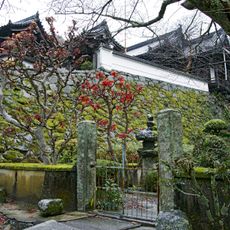
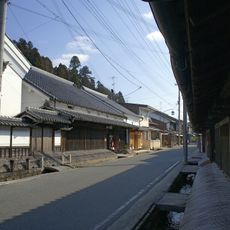
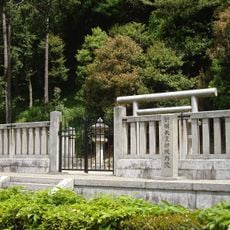
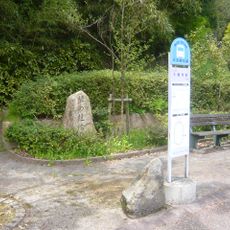
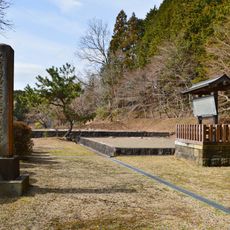
The shrine is easily accessible from Kintetsu Haibara Station and requires only a short walk from the bus stop. The grounds are well-maintained and organized, with stone lanterns and wooden plaques clearly visible to help visitors understand the site's history.
In the early Edo period, a Noh stage was built on the shrine grounds where performances of this meditative theater form took place. This rare combination shows how the site united spirituality and artistic tradition over centuries.
The community of curious travelers
AroundUs brings together thousands of curated places, local tips, and hidden gems, enriched daily by 92,239 contributors worldwide.