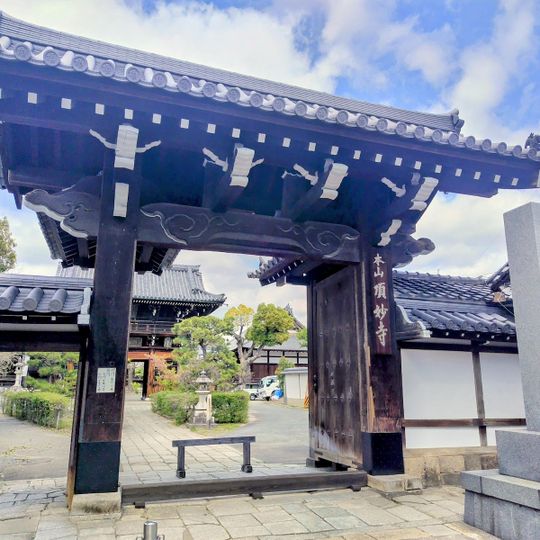
Chomyoji, Buddhist temple in Sakyō-ku, Japan
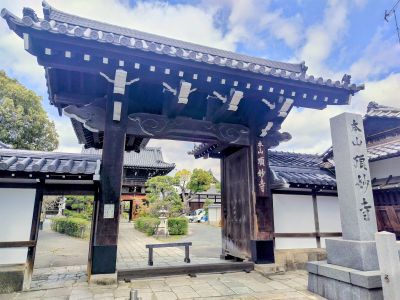
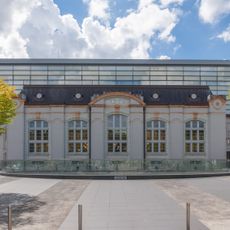
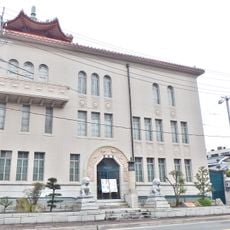
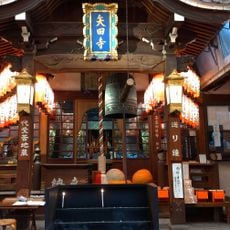
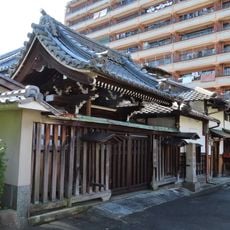
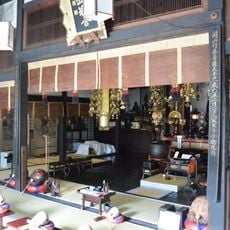
Chomyoji is a Nichiren-shū head temple in Sakyō-ku, Kyoto, whose mountain name is Monpō-zan and whose principal image is a Jikkai Mandala. Its grounds on Ninnōji-dōri include a main hall refurbished in 1996, a founder's hall reworked in 2012, a bell tower, a Niō gate and a Kishimojin hall, with eight sub-temples such as Shinnyo-in and Hōrin-in.
The temple was founded in 1473 by the monk Nisshu, a disciple of Nichikoku, on land donated by Hosokawa Katsumasa, governor of Tosa. It moved repeatedly: to Shinmachi-Chōjamachi in 1509, to Takakura-Nakamikado in 1523, and after the Tenbun Hokke War of 1536 it was burned and rebuilt on the same site in 1542. Oda Nobunaga's 1573 attack on Kamigyō forced another move, and in 1673 it came to its present location beside the Kyoto Imperial Palace. It burned in the Tenmei fire of 1788 and was rebuilt.
Chomyoji belongs to the Nichiren school and is one of its head temples, with the mountain name Monpo-zan and a ten-world mandala as principal image. Its name is read Chōmyō-ji. The temple keeps a pair of ink paintings of oxen by Tawaraya Sōtatsu with a colophon by Karasuma Mitsuhiro, a designated Important Cultural Property.
The temple stands at the east end of Niomon-dori where it meets the Kawabata road, about a 7-minute walk from Keihan Sanjo Station or 6 minutes from Sanjo Keihan subway station. The grounds lie in Oikiku-cho, Sakyo-ku, Kyoto. Entry is through the Niomon gate.
The temple holds a pair of ink paintings of oxen by Tawaraya Sōtatsu, with inscriptions by Karasuma Mitsuhiro, designated an Important Cultural Property. Sōtatsu, active in the early Edo period, is known for the Tarashikomi technique of dripping ink. The paintings are not on regular display, so visitors should ask about viewing conditions in advance.
The community of curious travelers
AroundUs brings together thousands of curated places, local tips, and hidden gems, enriched daily by 94,896 contributors worldwide.