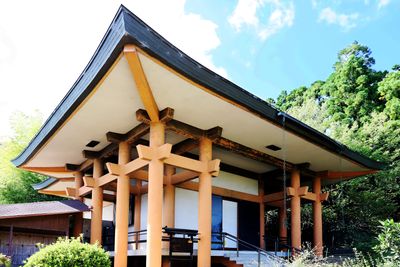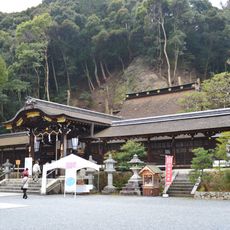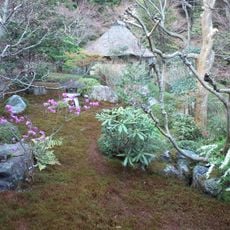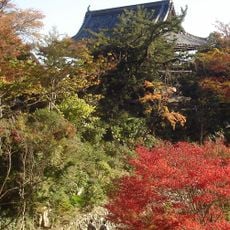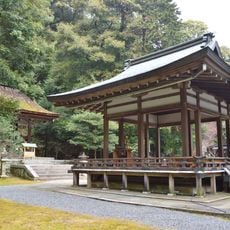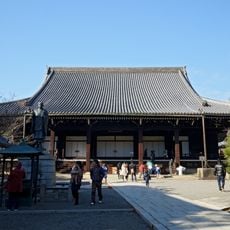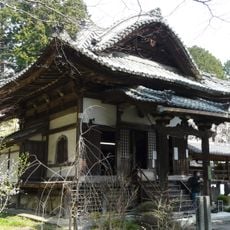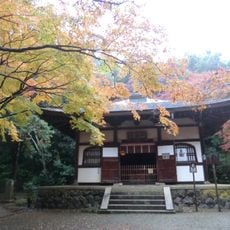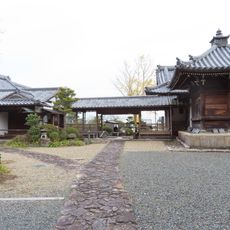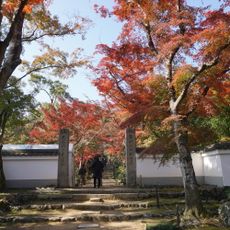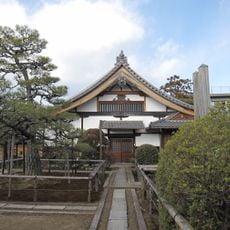
Gantoku-ji, Buddhist temple in Nishikyō-ku, Japan
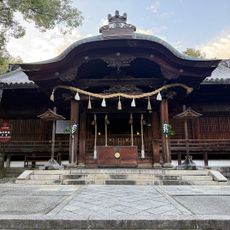
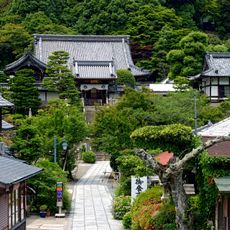
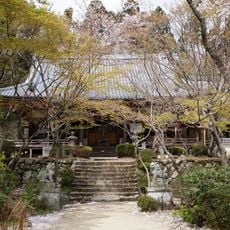
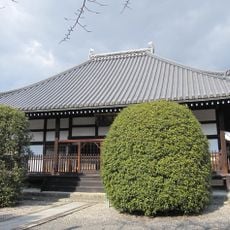
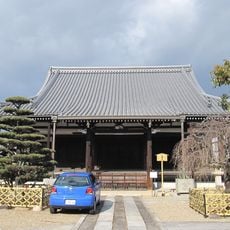
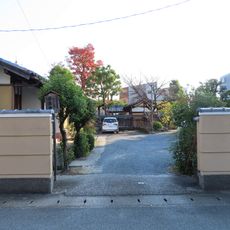
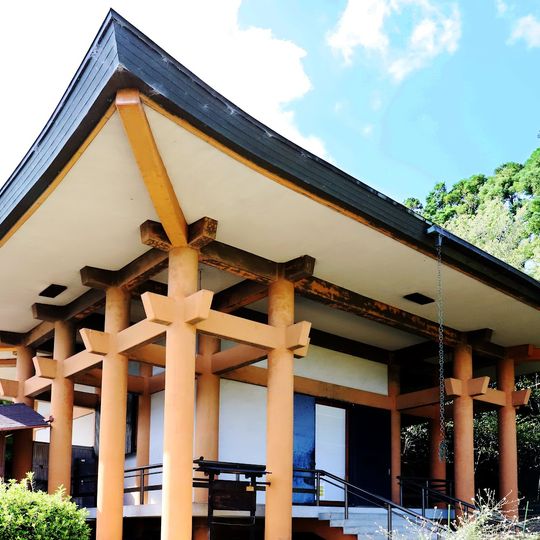
Gantoku-ji is a Tendai temple in Ōharano Minamikasuga-chō, Nishikyō-ku, Kyoto, with the mountain name Bukkarinzan and the cloister name Hōbodai-in. Its main hall, abbot's quarters and mountain gate were rebuilt in 1973, when the temple moved beside Shōjō-ji; the main image is a Nyoirin Kannon. It calls itself the smallest temple open to visitors in Kyoto.
According to temple tradition, Gantoku-ji was founded in 679 at Tera-machi in present-day Mukō, where the Jitō Empress, prompted by a dream, installed a Yakushi Nyorai as principal image. It declined by the late Heian period, then was revived when Chūkai of Hōbodai-in in Higashiyama Sanjō brought that cloister into the temple. Burned in the Ōnin War, it was rebuilt in the Edo period, moved to its present site beside Shōjō-ji in 1973, and its main image returned in 1996.
Gantoku-ji is stop 33 on the Kyoto Rakusai Kannon Pilgrimage, a circuit of Kannon temples in western Kyoto. Its main image is a Nyoirin Kannon, and the temple calls itself the smallest temple in Kyoto open to visitors. It also holds a statue of Prince Shōtoku at age two, made by Shōkai, younger brother of the monk Ippen, to pray for Ippen and their father.
The temple sits in the quiet Ōharano area, a little outside central Kyoto, so it helps to plan the trip in advance. Ceremonies are held regularly, and it is worth checking ahead so they do not interfere with a visit.
The temple keeps a nationally designated wooden statue of Nyoirin Kannon shown in a half-lotus position, considered an outstanding example of early Buddhist sculpture. The pose, with one hand resting against the cheek, is meant to convey deep thought about human suffering.
The community of curious travelers
AroundUs brings together thousands of curated places, local tips, and hidden gems, enriched daily by 93,634 contributors worldwide.