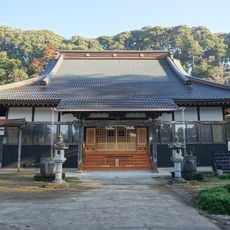
Rai-jinja, Shinto shrine in Japan
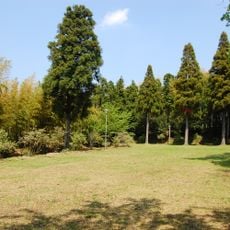
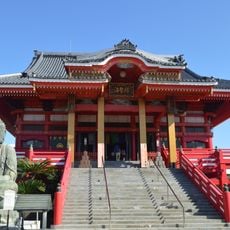
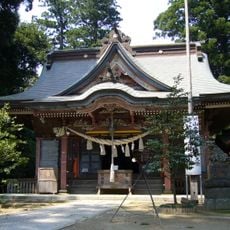
Rai-jinja is a Shinto shrine in Mihiro, Asahi, Chiba Prefecture, listed as a former gōsha. Its main deity is Ame no Hoakari no Mikoto, with Wakeikazuchi no Mikoto also enshrined. The present shrine building was completed in 1910, and within the grounds stand subsidiary shrines founded between 1775 and 2007, including a Tsushima Daigongen from 1804 and a Tenmangū moved here in 2007.
Tradition credits the shrine's origin to Emperor Keikō, who is said to have built a shrine at the eastern edge of Tsubakiumi while touring the east in memory of Prince Yamato Takeru; Kutsuki no Atai later enshrined Tenboshi no Mikoto. In 793, Wakeikazuchi no Mikoto was invited from Kamigamo and the title "Raidaijin" was granted by Emperor Kanmu. The present hall was completed in 1910.
The shrine's main deity is Tenboshi-no-Mikoto, with Wakeikazuchi-no-Mikoto also enshrined. Every 20 years, together with Higashi-Otasha and Toyotamahime Shrine, it holds a shikinen shinkosai; the Kurahashi no Miroku Sanbaso dance performed ahead of the portable shrine is a form of Kashima odori, designated a Chiba Prefecture intangible folk cultural property.
Rai-jinja stands in the Mihiro district of Asahi, Chiba Prefecture, about 15 minutes on foot from Kurahashi Station on the JR Sobu Line. The grounds hold several small subsidiary shrines, including a Tsushima shrine founded in 1804 and an Inari shrine moved here in 2007.
The shrine's annual autumn festival includes Kagura dances performed as part of the shinkō-sai procession, a tradition passed down through generations of local residents. The shrine also holds a special grand festival every 20 years together with Tōdaisha and Toyotamahime Shrine, drawing visitors from across the region.
The community of curious travelers
AroundUs brings together thousands of curated places, local tips, and hidden gems, enriched daily by 94,262 contributors worldwide.